What Is the Best Home CNC Machine in 2026?

The best home CNC machine in 2026 depends less on flashy specifications than on what you plan to make. A compact router may suit signs, plywood parts, and occasional engraving, while a sturdier machine can handle more demanding materials with fewer vibrations. Start with your available bench space, typical workpiece size, noise tolerance, and budget. Small details matter. A machine that fits neatly beside a garage wall may still need room for dust collection and safe access.

This guide compares home CNC machine options by build quality, usable work area, spindle performance, software, setup, and ongoing costs. It also considers whether a beginner can calibrate the machine, secure stock, and troubleshoot cut quality without constant frustration. Those practical checks matter. Published specifications cannot tell the whole story, and results vary with tooling, material, feeds, and operator experience. Even an impressive machine may disappoint if its work area is too small or its support is difficult to reach. A lower-cost model might be enough for simple projects, but compromises in rigidity or workflow can become obvious later. There is no perfect pick for every workshop. The right choice is the one that matches your real projects, leaves room to grow, and can be operated responsibly at home.
What Is the Best Home CNC Machine in 2026?

How Home CNC Machines Work and What They Can Make

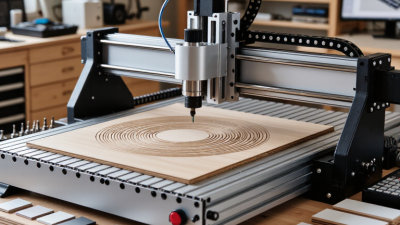
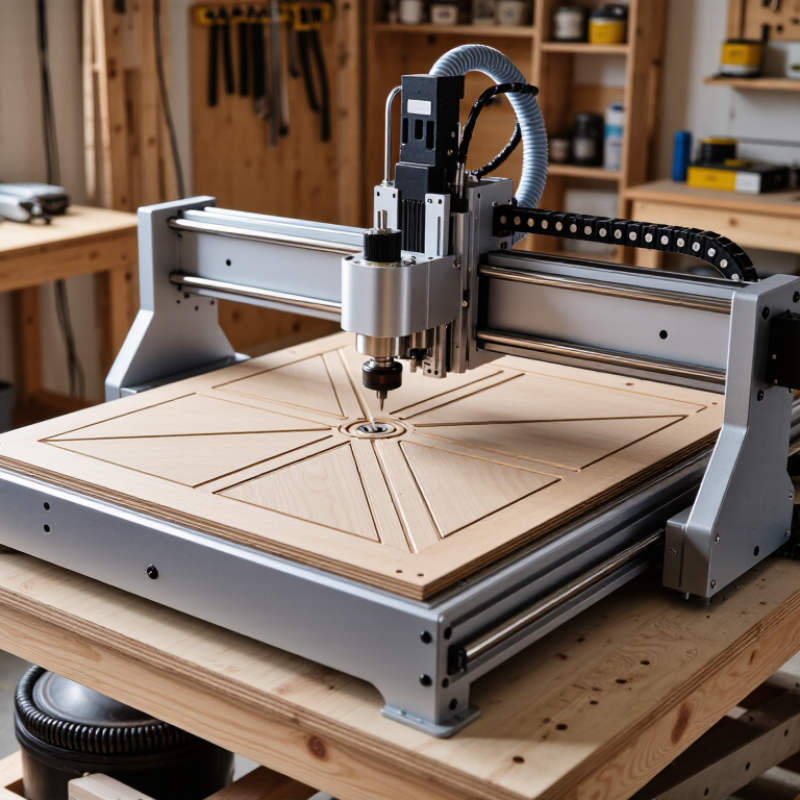
A home CNC machine turns digital instructions into controlled movements of a cutting tool. You draw or import a design, then CAM software converts it into toolpaths and cutting settings. The controller moves the spindle along X, Y, and Z axes while the cutter removes material. A rigid frame, sharp tool, secure workholding, and sensible feed rate all affect the result. Small errors matter. A loose board can shift; a dull bit may burn wood or leave rough edges. Dust collection and eye protection are practical necessities, not optional extras. The setup takes patience.

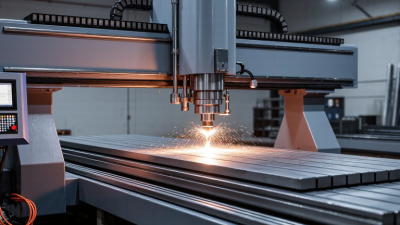
With suitable stiffness and travel, a home machine can carve signs, panels, and templates. It can also cut parts for enclosures or small furniture. Wood and plastics are common starting materials; some machines can machine aluminum slowly, with careful setup. Check the machine’s stated capacity rather than assuming every material is suitable. Expect prototypes, not instant perfection. A test cut in plywood can reveal tear-out or an undersized slot before you commit to a full panel. That is easy to underestimate. Working area, tool changes, and cleanup can shape a project more than advertised speed. Leave room in the design for adjustments, because the digital drawing will not always predict how a real cutter behaves.

Key Factors for Evaluating a Home CNC Machine in 2026

A useful home CNC machine should fit the work, not just the workbench. Measure the largest stock you expect to cut, then leave room for clamps, tool changes, and chip removal. A 300-by-180-millimeter work area sounds generous until a vise takes up space. Check spindle power, compatible tools, and the materials the machine can cut consistently. For accuracy, ask for positioning and repeatability results, not just the smallest movement shown in the specifications. ISO 230-2:2014 describes methods for testing positioning accuracy and repeatability in numerically controlled axes. A real cut can still wander.

Budget for the whole setup. Include a sturdy table, dust collection, tooling, software, and replacement parts—not only the machine price. Grand View Research estimated the global CNC machine market at $101.22 billion in 2023 and projected 6.3% annual growth from 2024 to 2030. That industry-wide figure signals investment in CNC technology, but it does not tell you which home machine offers good value. Compare warranties, spare-part availability, and the time needed to learn the controls.

Safety and upkeep matter in a shared home space. Look for effective guarding, a reliable emergency stop, and clear instructions for securing workpieces. Check noise levels and how easily chips can be contained; fine dust can spread beyond the cutting area. A compact machine may be easier to fit, but cramped access can make routine cleaning frustrating. I would not trust a glossy specification sheet alone. Ask how performance was measured, and remember that your material, tool, and setup can change the result.

What Is the Best Home CNC Machine in 2026? — Key Factors for Evaluating a Home CNC Machine in 2026
Evaluation Factor What to Check Practical Home-Use Benchmark Why It Matters Suggested Weight
Work area Usable X, Y, and Z travel; confirm the stated dimensions describe actual cutting travel, not the outer frame. Choose an envelope that exceeds your largest planned workpiece by roughly 10–20% where space allows. Small signs and parts often need less than 300 × 300 mm; furniture panels may require substantially more. A machine that cannot accommodate the workpiece may require multiple setups, which can affect alignment and increase setup time. 15%
Materials and rigidity Check the frame, gantry, spindle mount, and manufacturer’s stated material guidance. Look for a rigid structure and securely supported axes. For wood, plastics, and engraving, prioritize usable travel and dust control. For regular aluminum work, prioritize rigidity, secure workholding, and conservative cutting parameters over a large work area. Cut quality depends on the whole machine system, not simply motor power. Flex and vibration can cause chatter, poor finishes, and tool breakage. 15%
Spindle and tooling Verify spindle power, speed range, collet compatibility, tool availability, and whether the spindle can run continuously at the intended workload. Wood routing commonly uses high spindle speeds, often in the approximate 8,000–24,000 rpm range, with the correct cutter and feed. Select a spindle and tooling suited to the materials you will actually cut. Appropriate speed and tooling help produce cleaner cuts and reduce heat, wear, and tool deflection. 10%
Accuracy and repeatability Distinguish positioning resolution from accuracy and repeatability. Ask how figures were measured and whether they apply under cutting load. A repeatability claim around 0.1 mm or better can be a useful screening target for many hobby projects; verify real cut results with test pieces before relying on tight tolerances. Step size alone does not guarantee that finished parts will meet a dimension. Backlash, tool runout, setup, and material movement also affect results. 12%
Z clearance and depth Check usable Z travel, clearance beneath the gantry, spindle length, and space for clamps or fixtures. About 75–150 mm of usable Z travel can suit many small home projects, but the required clearance depends on stock thickness, tooling, and workholding. Advertised Z travel may not equal the available cutting depth once the spindle, bit, spoilboard, and clamps are installed. 8%
Motion system Review the drive type, guide rails, supported lead screws or belts, backlash control, and availability of replacement parts. Look for smooth, consistent axis motion and a clearly documented method for adjusting or maintaining the drive system. Motion components influence repeatability, maintenance needs, and how well the machine handles different cutting forces. 10%
Software and workflow Confirm compatibility with your CAD/CAM workflow, toolpath export formats, controller, and operating system. Before purchase, verify that a complete sample workflow—from design and toolpath creation to machine control—is available for your intended setup. Software compatibility can determine how quickly you can start, troubleshoot, and repeat a job. 8%
Safety and dust control Check guarding or enclosure options, emergency stop access, limit switches, electrical protection, and provisions for dust extraction. Plan for eye and hearing protection, secure workholding, suitable dust collection, and an emergency stop that is easy to reach. Follow the machine’s safety instructions. Routing and milling create high-speed debris, noise, and airborne dust; a safe setup is essential for home use. 10%
Footprint and noise Measure the machine, controller, work area, ventilation, and access needed for loading and maintenance. Allow room around the machine for stock handling, tool changes, cleaning, and safe access to the emergency stop. A machine that fits on paper may still be impractical if there is not enough space to operate it safely. 5%
Total ownership cost Include the machine, spindle or router, bits, workholding, spoilboard, dust collection, software, and replacement parts. Compare the full setup cost—not just the machine’s purchase price—and check the availability and cost of commonly replaced items. Accessories and consumables can materially change the real cost of completing a project. 7%
How to use this table: These are planning benchmarks, not standardized performance guarantees. The best home CNC machine is the one that safely handles your intended materials and largest workpieces within your space, skill level, and total budget. Suggested weights add up to 100% and can be adjusted for your priorities.

Comparing CNC Routers, Mills, and Multi-Purpose Machines

What Is the Best Home CNC Machine in 2026?
Comparing CNC Routers, Mills, and Multi-Purpose Machines

The right home CNC depends on material, workspace, and tolerance—not the machine’s feature count. Routers suit broad panels, plywood, plastics, and light aluminum work. Their larger beds can be useful, but flexible frames may vibrate during deeper cuts. Mills are typically more rigid, making them better for small metal parts and tighter tolerances. They often trade cutting area for stability. Multi-purpose machines save space, though changing setups can take time. That matters when every job needs a different tool or workholding method. Grand View Research valued the global CNC machine market at $101.22 billion in 2023; that figure covers industrial equipment, not home machines, so treat it as context, not a buying forecast.

Before choosing, check the usable cutting area, spindle power, frame rigidity, and dust or chip control. A machine’s advertised accuracy may not reflect results after setup, tool wear, and material movement. The U.S. Bureau of Labor Statistics reported a 2023 median annual wage of $50,840 for machinists and tool-and-die makers. Home users may not need that level of training, but careful measurement and toolpath skills still matter. I’d test a small workpiece first; honestly, even a good machine can surprise you.

Tips: Measure your largest planned part, then leave room for clamps. Budget for cutters, workholding, and dust collection—not just the machine. Start with shallow passes.

What Is the Best Home CNC Machine in 2026?

Comparing typical cutting-area widths for home CNC routers, mills, and multi-purpose machines.

Approximate width ranges for commonly available home and desktop machines: routers often provide more room for sheet goods, while mills trade work area for rigidity when cutting metal. Multi-purpose machines vary widely. Check a machine’s published X-axis travel and usable work area before buying; specifications differ by model.

How to Choose a Machine for Your Space, Materials, and Budget

What Is the Best Home CNC Machine in 2026?

The right home CNC machine depends less on headline speed than on what you can comfortably fit and maintain. Measure your workbench, including room for a computer, clamps, and dust collection. A machine that fits only when everything else is moved may become frustrating.

Check the usable cutting area, not just the machine’s outer dimensions. A 300-by-300-millimeter work area can suit small signs and model parts, but may feel limiting for larger panels.

Tips: List the materials you expect to cut most often. Wood, plastics, and soft metals place different demands on machine rigidity, spindle power, and tooling. Compare those needs with your budget, including bits, clamps, safety equipment, and replacement parts. Leave space for a sturdy enclosure if noise or dust matters. It adds cost, but can make regular use more practical.

Before choosing, look for clear setup instructions, available technical support, and easy-to-source consumables. These details matter when a cut goes wrong or a part needs replacing.

For a first machine, simpler controls and reliable workholding can be more useful than extra features. Be honest about your patience, too. Learning feeds, speeds, and toolpaths takes practice, and no machine removes that learning curve.

A modest machine that suits your space may serve you better than a larger one you rarely use.

Setup, Safety, and Ongoing Costs for Home CNC Use

What Is the Best Home CNC Machine in 2026?

For home use, the best CNC machine is usually the one your room, work, and budget can support. Measure the bench, doorway, and space needed to load material before choosing a machine. A compact router-style unit may suit small signs or parts, while larger projects need more working area and a sturdier table. Check power requirements and whether the floor can handle vibration. A machine that fits on paper can still feel cramped once dust collection and stock are added.

Tips: Leave clear access around the machine. Test your setup with a small job before committing to a full workpiece. Keep the manual and maintenance schedule nearby. It sounds basic, but skipped measurements are an easy mistake.

Plan safety and running costs together. Enclose the cutting area where practical, secure the workpiece, and use suitable eye and hearing protection. Wood dust needs effective extraction; ventilation also matters when cutting materials that release fumes. Follow the machine and material makers’ safety guidance. Budget for cutters, replacement spoilboards, collets, filters, and occasional repairs, not just electricity. Tool wear varies with material and cutting settings, so early cost estimates may be off. I would avoid spending the entire budget on the machine itself; a reliable extraction setup and proper workholding can matter just as much.

Let's Build Together

Contact Us: Call 435-563-3503

-OR-  Fill in the form below and we will call you back.

Copyright © 2025CNC Fabrication. All Rights Reserved.