2026 Best Home CNC Machine for Small Business?

Choosing the best home cnc machine for a small business in 2026 requires more than comparing prices. A compact machine may fit beside a workbench, yet still handle demanding production tasks. The right choice depends on materials, workspace, accuracy, noise, maintenance, and daily workload.

A practical evaluation should examine cutting performance with real materials. Aluminum, hardwood, plastics, and composite sheets place different demands on the spindle and frame. A rigid structure helps reduce vibration, especially during long cuts. Usable work area matters too. A 24-inch table can feel generous until a customer requests a larger sign.

Small details often decide profitability. Check software compatibility, dust collection, emergency stops, replacement parts, and technical support. Calculate the complete ownership cost, including tooling, clamps, spoilboards, bits, electricity, and training time. A cheaper machine may become expensive after repeated setup problems.

There is no perfect machine.

My experience suggests that beginners often underestimate workflow interruptions. A reliable machine that finishes a job consistently can outperform a faster model with complicated calibration. However, this judgment is not universal. A jewelry maker, cabinet shop, and custom signage business need different capabilities.

This guide compares the leading options for small-business use in 2026. It considers practical performance, safety features, user experience, manufacturer credibility, and long-term value. The goal is not to promote the most impressive specification sheet. It is to identify a dependable home cnc machine that matches realistic production needs, available space, and the owner’s willingness to learn.
2026 Best Home CNC Machine for Small Business?

What Defines the Best Home CNC Machine for a Small Business

The best home CNC machine for a small business is not the largest one. It is the machine that repeatedly produces saleable parts within your available space, budget, and skill level. Grand View Research reports that the global CNC machine market is expanding steadily, driven by automation and customized production. That growth does not make every compact machine suitable for commercial work.

A serious evaluation starts with rigidity, repeatability, and the working envelope. A weak frame may create visible chatter on aluminum, especially around pockets and sharp corners. Look for documented positioning accuracy, practical spindle performance, and a bed that supports your common materials. Deloitte’s 2024 Smart Manufacturing Survey found that manufacturers expect smart technologies to improve productivity and capacity. For a small workshop, that may mean reliable job recovery, simple file transfer, and less time correcting failed cuts.

Noise, dust control, electrical demand, and service access also define the best choice. Measure the doorway. Then measure it again. A machine requiring constant manual adjustment can quietly erase its low purchase price. Industry reports often emphasize automation, but home operators still need usable training, responsive technical support, and affordable consumables. I would also test a sample part before purchasing, because advertised accuracy can differ from results on a warm, vibrating workbench. A modest machine with stable output may outperform a more powerful model that remains idle. My first comparison would track hourly cost, setup time, scrap rate, and profit per completed part.

Key CNC Machine Types and Their Small-Business Applications

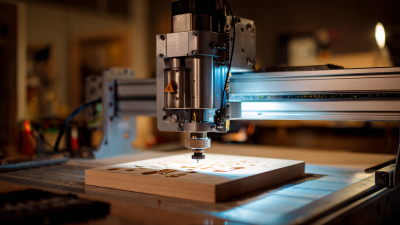
The best home CNC machine for a small business depends on the material, workspace, and daily workload. CNC routers suit wood, plastic, foam, and thin composite sheets. They work well for signs, cabinet parts, templates, and custom décor. A rigid frame matters when cutting detailed edges repeatedly.

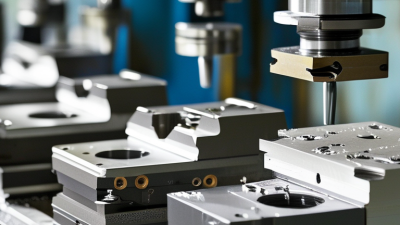
CNC mills handle aluminum, brass, and other harder materials. Small workshops use them for brackets, instrument parts, prototypes, and repair components. Milling needs stronger tooling, better workholding, and careful chip control. A metalworker should also check spindle power and machine rigidity before purchasing. Small details matter here.

CNC lathes are useful for round parts, such as bushings, knobs, spacers, and short shafts. They can support repair services and limited production runs. Laser cutters offer fast, clean work on many flat materials, including wood, paper, acrylic, and fabric. However, material compatibility and ventilation require serious attention. Never assume every sheet is safe to cut.

For a home workshop, noise, dust, heat, and electrical capacity can limit productivity. Measure the doorway and bench area first. Many buyers overlook maintenance time. I have found that a slightly slower machine can be more practical than a powerful one that demands constant adjustment. That judgment is not universal. Production goals, operator skill, and local safety requirements should shape the final choice. A trial cut using the intended material reveals more than a specification sheet.

2026 Best Home CNC Machine for Small Business? - Key CNC Machine Types and Their Small-Business Applications
CNC Machine Type Typical Working Area Common Materials Typical Accuracy Typical Purchase Range Best Small-Business Applications Production Strength Main Limitations Overall Small-Business Fit
Desktop CNC Router 300 × 300 mm to 600 × 900 mm Wood, plastic, foam, acrylic, engraving wax, and thin non-ferrous sheet Approximately ±0.05–0.15 mm, depending on frame rigidity and setup About US$800–US$4,000 Personalized signs, small décor, jewelry prototypes, engraved gifts, model parts, and product samples Excellent for low-volume custom work Limited cutting depth and rigidity; generally unsuitable for heavy metal machining ★★★★★
Benchtop CNC Router 600 × 900 mm to 1,200 × 1,200 mm Hardwood, plywood, MDF, plastics, aluminum, brass, and composite panels Approximately ±0.03–0.10 mm with proper calibration About US$3,000–US$12,000 Furniture components, cabinet parts, signage, templates, retail displays, and repeatable custom products Very good balance of size, cost, and flexibility Needs dust collection, workholding, and a dedicated workshop area ★★★★★
CNC Engraving Machine 200 × 200 mm to 600 × 900 mm Wood, acrylic, plastic, coated metals, aluminum, brass, and engraving laminates Approximately ±0.02–0.08 mm for engraving operations About US$1,000–US$8,000 Control panels, nameplates, awards, serial numbers, gift products, and small-batch personalization Excellent for detailed, high-margin products Usually has a smaller cutting area and lower material-removal capacity ★★★★☆
Benchtop CNC Mill Typical travel of 200–500 mm in X, 100–250 mm in Y, and 200–350 mm in Z Aluminum, brass, mild steel, engineering plastics, and some stainless-steel work at reduced rates Approximately ±0.01–0.05 mm after careful setup About US$5,000–US$20,000 Mechanical prototypes, fixtures, brackets, replacement parts, tooling components, and precision repair work Best for precision metal parts in small quantities Smaller work envelope, slower material removal, and higher operator-skill requirements ★★★★☆
CNC Lathe or Turning Center Typical turning diameter of 100–300 mm and length of 200–600 mm Aluminum, brass, steel, stainless steel, plastics, and acetal Approximately ±0.01–0.05 mm, depending on machine condition and tooling About US$6,000–US$25,000 Spacers, bushings, shafts, knobs, threaded parts, fittings, and cylindrical repair components Highly productive for rotational parts Not suitable for large flat panels or complex non-rotational shapes without additional equipment ★★★★☆
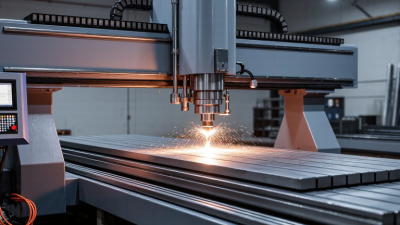
CNC Plasma Cutter Commonly 1,200 × 2,400 mm to 1,500 × 3,000 mm Mild steel, stainless steel, and aluminum sheet or plate Approximately ±0.2–0.8 mm, influenced by material thickness and cutting conditions About US$4,000–US$18,000 Metal signs, brackets, gates, artwork, agricultural parts, and structural components Very good for fast 2D metal cutting Produces heat-affected edges, requires ventilation, and is unsuitable for fine three-dimensional machining ★★★☆☆
CNC Fiber Laser Cutter Commonly 1,500 × 3,000 mm to 1,500 × 6,000 mm Stainless steel, mild steel, aluminum, brass, and copper sheet Approximately ±0.03–0.10 mm for positioning, depending on system and material About US$30,000–US$150,000+ Sheet-metal parts, branded panels, electrical enclosures, signage, and contract cutting Excellent for professional metal-cutting businesses High initial cost, strict safety requirements, and greater maintenance complexity ★★★☆☆
CNC Woodworking Center Commonly 1,300 × 2,500 mm or larger Plywood, MDF, hardwood, laminates, plastics, and composite boards Approximately ±0.05–0.15 mm in practical production conditions About US$15,000–US$60,000+ Cabinet doors, furniture panels, nesting production, interior fittings, and repeatable batch work Best for growing furniture and cabinetry operations Requires substantial floor space, dust extraction, workflow planning, and higher operating capital ★★★★☆
CNC 4-Axis or 5-Axis Machine Approximately 300–1,000 mm work envelope, depending on configuration Wood, plastics, aluminum, foam, composites, and selected steels Approximately ±0.02–0.10 mm in typical small-business use About US$20,000–US$150,000+ Complex prototypes, impellers, sculptural products, molds, aerospace-style components, and multi-sided parts Best for complex geometry and premium contract work Higher software, fixturing, training, and maintenance costs ★★★☆☆
Note: Prices, working areas, and accuracy ranges are typical market estimates for new small-business equipment in 2026. Actual results depend on machine construction, tooling, material, calibration, workholding, software, and operator experience.

How to Evaluate Size, Materials, Precision, and Production Speed

2026 Best Home CNC Machine for Small Business?

A practical evaluation starts with usable space, not the machine’s advertised footprint. Measure doorways, benches, electrical outlets, and room for dust collection. Leave access for maintenance. A crowded setup slows every job.

Material choice changes the decision. Wood, plastics, aluminum, and composite sheets require different cutting speeds, tooling, and rigidity. Ask for verified cutting depth and spindle performance, then test a small sample before accepting customer work. A machine that cuts plywood cleanly may struggle with aluminum. That difference matters.

Precision should mean repeatable results, not impressive marketing language. Check stated tolerance, backlash control, table flatness, and calibration procedures. Cut the same test shape several times, then measure its edges with calipers. Small errors become expensive when parts must fit together. I would also inspect software support and replacement parts, because downtime affects reliability more than a single impressive specification.

Production speed includes setup, fixturing, tool changes, sanding, and inspection. A faster feed rate may produce rough edges or more failed pieces. Count the complete cycle. My first workshop estimate was too optimistic; loading and cleanup consumed nearly as much time as cutting. That mistake changed how I calculate capacity. Choose a machine that matches your regular materials, available labor, and realistic weekly orders, not your best-case production day.

Essential Software, Tools, Safety Features, and Workspace Requirements

2026 Best Home CNC Machine for Small Business?

A small-business CNC setup needs more than cutting power. Choose software that supports accurate drawing, toolpath planning, simulation, and file recovery. A clear preview can prevent costly mistakes before material reaches the table. Essential tools include digital calipers, a touch probe, spare cutting bits, clamps, and a flat spoilboard. Measure twice. Cutting errors quickly become expenses.

Tips: Keep the machine near stable power, bright lighting, and a clean workbench. Leave enough room to load full sheets and reach the emergency stop. Install dust extraction with sealed connections, and avoid loose clothing near moving parts. An enclosure, limit switches, protective eyewear, and hearing protection improve daily safety. Never leave an active cut unattended, even during familiar jobs.

Workspace planning affects accuracy more than many new owners expect. Concrete floors reduce vibration, while controlled humidity helps protect wood and electronics. Store bits in labeled cases, not in a loose drawer. My first layout was too optimistic; material storage blocked access to the control panel. A smaller machine with reliable software may outperform a larger one in a cramped room. Review noise, airflow, maintenance access, and operator training before purchase. Some recommendations remain uncertain because every material, workload, and room behaves differently.

2026 Best Home CNC Machine for Small Business?

Typical first-year planning ranges for a home-based CNC setup, covering software, tooling, safety, and workspace preparation.

A realistic small-business setup usually requires more than the CNC machine itself. Budget for CAD/CAM software, cutting tools, workholding, dust extraction, personal protective equipment, electrical work, ventilation, and adequate workspace clearance.

2026 Buying Criteria: Cost, Maintenance, Support, and Future Growth

Choosing the best home CNC machine for a small business starts with total ownership cost, not the advertised price. A low-cost machine may need stronger dust collection, better tooling, and earlier spindle replacement. Measure installation, electricity, consumables, software, calibration, and floor space before ordering. Leave room for mistakes.

A realistic worksheet should include monthly maintenance hours and expected service delays. Check lubrication points, belt access, bearing replacement, and coolant handling.

The U.S. Bureau of Labor Statistics projects 15% employment growth for industrial machinery mechanics from 2023 to 2033.

Skilled maintenance will not always be available locally. Deloitte’s 2023 Smart Manufacturing Survey found that 86% of manufacturing leaders viewed smart manufacturing as important for competitiveness within five years. That supports machines with diagnostics, network access, and useful operating data.

Support quality matters when a job is waiting on the machine. Ask about response times, spare-part availability, remote troubleshooting, training, and clear service documentation. Test whether ordinary tools can complete routine adjustments.

For future growth, prioritize an expandable work envelope, rigid construction, standard tooling, open file formats, and upgradeable control hardware. A larger machine is not automatically better; unused capacity still consumes money and attention.

I would inspect sample cuts personally, because specifications can hide vibration, awkward access, or disappointing software. Growth plans often change. Flexibility matters more than impressive numbers.

Let's Build Together

Contact Us: Call 435-563-3503

-OR-  Fill in the form below and we will call you back.

Copyright © 2025CNC Fabrication. All Rights Reserved.