Top Tips for Sourcing Quality Machining Parts Globally?
Sourcing quality machining parts globally can be a complex task. The demand for precision and reliability in manufacturing processes is increasing. Companies must navigate diverse suppliers and materials while ensuring their parts meet specific standards.
Understanding different markets is essential for effective sourcing. Countries vary in manufacturing capabilities and quality control practices. This creates potential challenges in consistency and communication. Awareness of these factors helps improve decision-making when selecting suppliers.
Quality machining parts are vital for maintaining production efficiency. Poorly sourced components can lead to machine downtime and increased costs. Therefore, companies must develop strategic sourcing methodologies to mitigate risks. This requires ongoing evaluation of suppliers and their manufacturing practices. Addressing these aspects promotes a successful global sourcing experience.
Understanding the Importance of Quality Machining Parts in Manufacturing
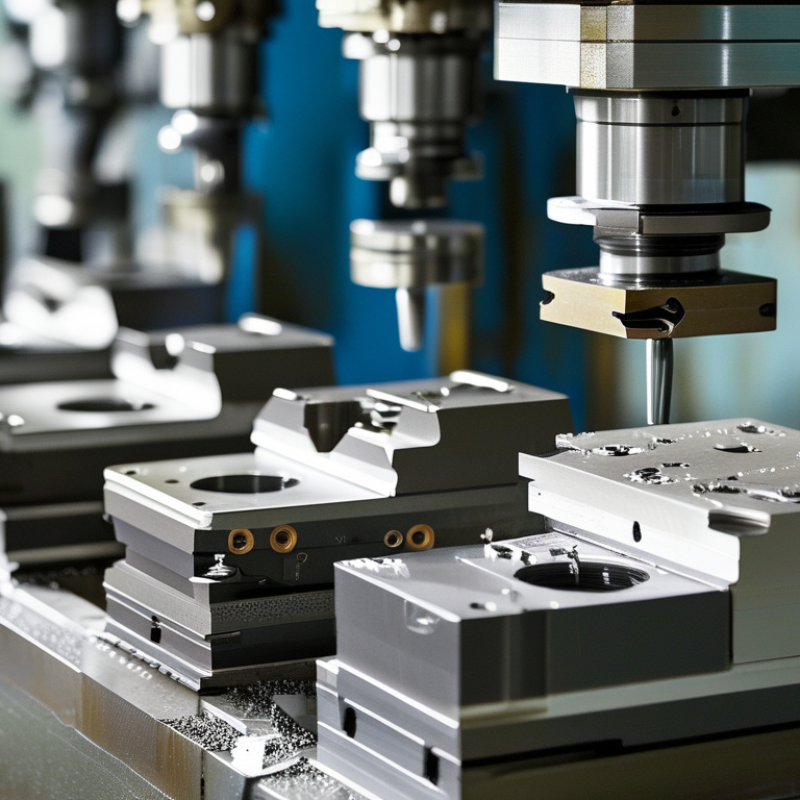
Quality machining parts are essential to modern manufacturing. They ensure precision, reliability, and efficiency in production. Poor-quality parts can lead to machinery breakdowns, increased costs, and unsafe working conditions. Choosing the right supplier is critical. Manufacturers need to prioritize suppliers who employ rigorous quality control measures.
Inspecting machining parts can be daunting. A focus on material selection is crucial. The right materials impact performance and longevity. Testing for tolerance and dimensions should be a standard step. However, many overlook this process. This oversight can lead to significant issues later in production. Cost-saving decisions often compromise quality, which can be a costly mistake.
Manufacturers must also consider their supplier's certifications and experience. Established suppliers bring a wealth of knowledge. Yet, not all have the same level of dedication to quality. Verifying their track record is essential. It is a challenge in today's global market, where options abound. Balancing cost and quality requires careful thought and evaluation.
Key Factors to Consider When Sourcing Machining Parts Globally
When sourcing machining parts globally, key factors play a crucial role. Understanding the supplier's capabilities is vital. A solid history of quality production is a must. Look for certifications and references. This information builds trust. Treating suppliers as partners boosts collaboration. Reliable communication can prevent misunderstandings.
Consider the location of the suppliers. Proximity can reduce shipping costs and time. However, diverse locations can also provide access to unique materials or expertise. It's essential to balance cost with quality. Sometimes, cheaper options may compromise standards. This could lead to delays and increased expenses. Assess logistics carefully.
Quality control is another critical element. Regular inspections are necessary. Even small defects can lead to significant issues later. Establish clear quality parameters before production begins. Don't hesitate to discuss improvements with suppliers. A willingness to adapt fosters better outcomes. Global sourcing can be complex, and reflection on these aspects is beneficial.
Identifying and Assessing Potential Suppliers for Machining Parts
When sourcing machining parts globally, identifying potential suppliers is crucial. Start by researching manufacturers with experience in your industry. Look for companies that have been operational for several years. A solid track record often speaks volumes. Evaluate their production capabilities. Visually assessing their facilities can provide insights into their quality control measures.
Next, consider the certifications that a supplier holds. ISO certifications reflect adherence to international standards. These can assure you of the supplier's commitment to quality. Additionally, check customer reviews and testimonials. Real feedback can reveal the strengths and weaknesses of a supplier's service.
Don’t hesitate to reach out for samples. Requesting a sample part may highlight a supplier's strengths and shortcomings. It's a low-risk way to test their quality before a larger order. Remember, not every supplier will meet your expectations entirely. Reflect on potential red flags throughout your interactions. Effective communication is also key; it helps clarify any doubts about capabilities and timelines.
Best Practices for Quality Assurance in Machining Parts Procurement
In machining parts procurement, quality assurance is crucial. It ensures that the components you receive meet your specifications. A well-defined quality assurance process can save you time and costs. Regular communication with suppliers is vital. Discuss expectations clearly to avoid misunderstandings.
Conduct thorough inspections on received parts. Utilize non-destructive testing methods to evaluate the integrity of components. This helps in identifying potential flaws early on. Always ask for certifications to verify compliance with quality standards. Packaging matters too; parts should be secured to prevent damage during shipping.
Document everything during the sourcing process. Keep records of communications, inspections, and certifications. This transparency can build trust with your suppliers. Reflect on your experiences—some suppliers may not meet expectations. Analyze these instances to refine your procurement strategy. Adjust your sourcing criteria as needed.
Top Tips for Sourcing Quality Machining Parts Globally
Leveraging Technology for Effective Global Sourcing of Machining Parts
In today’s global market, technology plays a pivotal role in sourcing quality machining parts. Data from the Global Manufacturing Outlook suggests that 72% of manufacturers leverage digital tools in their sourcing processes. This trend highlights the necessity for companies to adopt advanced technologies to remain competitive and improve efficiency.
Utilizing cloud-based platforms enables real-time collaboration between teams and suppliers. These systems often integrate machine learning algorithms, enhancing supplier selection processes. However, not every technology solution meets the diverse needs of global sourcing. Companies often face challenges in user adoption and integration with existing systems. A report from Deloitte reveals that 57% of organizations encounter resistance when implementing new technology. This indicates a clear need for thorough training and gradual integration to ensure smooth transitions.
Moreover, data analytics can significantly improve decision-making. Insightful data helps identify trends and assess supplier reliability. However, relying too heavily on data without considering contextual factors may lead to pitfalls. For instance, unexpected geopolitical events can affect supply chains, making it crucial for businesses to balance data usage with human judgment. Embracing technology in sourcing is essential but requires careful implementation and ongoing reflection on its effectiveness.
Related Posts
-
Ultimate Checklist for Achieving the Best Metal Machining Results
-
Navigating the Future: 2025 Market Insights for Best Precision Machining with Essential Strategies Revealed
-
Innovative Solutions for Your Home CNC Machine Investment
-
Addressing High Precision Machining Challenges: Common Issues and Solutions
-

The Ultimate Guide to CNC Steel Advancements in Modern Manufacturing
-
Exploring the Evolution of CNC Machine Working: Key Innovations and Their Impact on Manufacturing Efficiency
Let's Build Together

Contact Us: Call 435-563-3503
-OR- Fill in the form below and we will call you back.