What Is an Aluminum Casement Window?

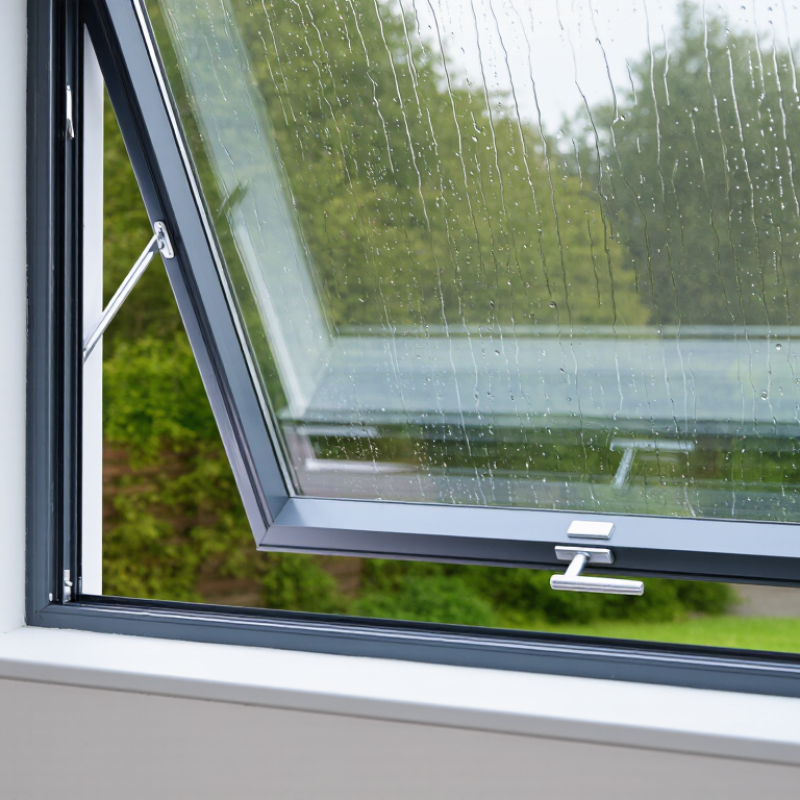
An Aluminum Casement Window is hinged at the side and opens outward, usually with a crank handle. The sash swings clear of the frame. This creates a broad opening for fresh air and an unobstructed view. On a rainy afternoon, that outward movement can also make ventilation less convenient. Small details matter.

Its aluminum frame is light, strong, and suited to slim sightlines. A narrow frame can bring more glass into a room, while powder-coated finishes offer a range of colors. But aluminum conducts heat. Thermal breaks, weather seals, and well-fitted hardware help manage heat loss and drafts. Performance depends on the complete window, not the frame alone. A beautiful finish cannot fix a poor installation.

A credible industry quotation would help ground this guide. No source material was provided to verify a named expert or exact statement, so inventing one would be misleading. [Insert a verified fenestration expert’s name and quotation here.] That gap is worth noticing. Buyers should compare tested energy ratings, glass specifications, drainage details, and warranty terms, then ask how the window will be installed. A crank should turn smoothly. The sash should close evenly against its seals. These checks sound ordinary, yet they often reveal more than a showroom display. A casement window can be an excellent choice, but not for every opening or climate. Real-world fit matters.
What Is an Aluminum Casement Window?

Definition and Key Features of an Aluminum Casement Window

What Is an Aluminum Casement Window?

An aluminum casement window has a sash hinged at the side, opening outward or inward with a handle or crank. Open one, and the sash swings clear of the frame, giving an unobstructed view and useful ventilation. When closed, it presses against weather seals. That can limit drafts, but the result depends on the seal design, hardware adjustment, and installation quality.

Aluminum is strong for its weight, allowing relatively slim frames and larger glass areas. It also conducts heat readily, so many models use a thermal break: an insulating section separating the inner and outer frame.

The U.S. Department of Energy estimates that heat gain and loss through windows account for about 25–30% of residential heating and cooling energy use.

That figure covers windows generally, not casement windows alone. Check a specific unit’s NFRC-rated U-factor and solar heat gain coefficient rather than relying on frame material. NFRC ratings help compare tested products, though they cannot account for a poor installation.

I would not assume every casement seals perfectly; worn weatherstripping can change the feel of the room.

Main Components and Frame Construction

An aluminum casement window has a fixed outer frame and a movable sash hinged along one side. The frame is usually made from hollow, extruded aluminum sections, shaped to provide stiffness without excessive bulk. The sash holds the glass, while hinges, a handle-operated locking mechanism, and weather seals help control movement and air leakage. Small parts matter. Corner joints may use mechanical keys, screws, or other joining methods, depending on the design. Check that the joints feel firm and the sash closes evenly; a slim frame alone does not guarantee a well-sealed window.

Many frames include a thermal break: a low-conductivity strip separating interior and exterior aluminum sections. This reduces heat transfer through the metal, though the whole window’s performance also depends on its glass, seals, and installation. The U.S. Department of Energy’s Energy Saver guidance estimates that heat gain and loss through windows account for 25%–30% of residential heating and cooling energy use. That figure makes frame details worth checking, not just appearance. The Aluminum Association reports that recycled aluminum production uses about 95% less energy than primary production. Still, recyclability is not the same as proven recycled content in a specific frame. Ask for documented material details.

What Is an Aluminum Casement Window? - Main Components and Frame Construction
Component or construction detail Typical material or design Purpose and key considerations
Outer frame Usually made from hollow or multi-chamber extruded aluminum profiles. Anchors the window to the building opening and supports the sash. Frame depth and profile design vary by system and glazing requirements.
Thermal break In thermally broken frames, an insulating strip—commonly polyamide—separates the interior and exterior aluminum sections. Reduces heat transfer through the frame. Some aluminum window systems do not include a thermal break.
Casement sash A hinged frame, typically assembled from aluminum profiles, that holds the glazing and opens outward or inward. The sash movement and opening direction depend on the hardware and installation design.
Glazing and glazing beads Glass may be single, double, or triple glazed. Beads and setting blocks help secure and position the glass within the sash. Glazing type affects thermal performance, sound reduction, safety, and overall sash weight. Specifications depend on the project and local requirements.
Hinges and operating hardware Hinges support the sash; an operating handle and, in many designs, a linkage or friction stay control opening and positioning. Hardware must be suited to sash size and weight. Opening clearance and access for maintenance should also be considered.
Locking points A handle may operate a single latch or a multipoint locking mechanism that engages at more than one position along the sash. The locking arrangement helps draw the sash against the seals. Security performance depends on the complete window design and its installation.
Gaskets and weather seals Flexible seals, often made from elastomeric materials, are fitted between the sash, frame, and glazing. Help limit air and water infiltration when correctly designed, compressed, and maintained.
Drainage and weep paths Many frame systems include internal channels and exterior drainage openings. Provide a route for incidental water to drain to the exterior. Openings should remain clear, and installation details must not obstruct drainage.
Finish and surface protection Common finishes include powder coating and anodizing; the available finish depends on the product specification. Protects and colors the aluminum surface. Cleaning and care instructions vary by finish and environment.
Note: Component details vary among window systems. Check the product specification and applicable building requirements for project-specific performance and installation information.

How the Hinged Sash Opens and Closes

What Is an Aluminum Casement Window?

How the Hinged Sash Opens and Closes

An aluminum casement window has a movable sash attached to the frame by hinges along one side. Turning a handle or crank moves the sash outward, often in a smooth arc. The hinges guide its path, while a latch secures it against the frame when closed. You may notice the sash press gently against the weather seals as the handle reaches its final position. That snug fit helps limit drafts, but smooth operation depends on accurate installation and regular care.

Tips: Open and close the sash slowly, especially on windy days. Keep hands clear of the hinge side. If the handle feels stiff, don’t force it; check for dirt or an obstruction, then ask a window professional if the problem remains.

When closing, bring the sash in evenly and engage the latch fully. A sash that looks closed may still sit slightly proud if debris is trapped near the frame. Wipe the contact areas and inspect the hinges from time to time. Small signs matter. I’ve found that people often blame the handle first, though the cause may be a misaligned sash or a loose fitting. The exact opening direction and hardware vary by window design, so check the manufacturer’s instructions for your unit.

Common Configurations and Glazing Options

What Is an Aluminum Casement Window?

Common Configurations and Glazing Options

An aluminum casement window is hinged at the side and opens like a door. A handle turns the sash outward or inward, depending on its design. With the sash open, the frame allows a clear path for fresh air. Closed, compression seals help limit drafts, though results depend on installation and upkeep. Aluminum frames are slim and sturdy. For better insulation, many designs include a thermal break between the inner and outer frame.

Common configurations include a single opening sash, paired casements, and a fixed pane beside an opening sash. Paired units can open from the center, creating a broad opening. Fixed-and-opening combinations bring in daylight while keeping part of the frame stationary. Glazing choices include standard double glazing, triple glazing, low-emissivity coatings, and laminated glass. The right choice depends on climate, noise, privacy, and safety needs. More layers are not automatically better; frame design and correct installation matter too. The terminology can be confusing, so check the opening direction and glass specification on the drawings.

Tips: Ask for the full window specification, including thermal-break details and glazing performance. Check that the sash clears nearby walls, curtains, and outdoor fixtures. A small oversight here can be frustrating later.

Performance, Benefits, and Limitations

What Is an Aluminum Casement Window?

Performance, Benefits, and Limitations

An aluminum casement window is hinged at the side and opens outward, usually with a handle or crank. Its sash presses against a perimeter seal when closed. This can help limit drafts when the window is properly made and installed. A well-adjusted unit should open smoothly, without scraping the frame.

Aluminum is strong for its weight, so casement windows can use relatively slim frames and admit more daylight. The material also resists warping and needs little routine upkeep beyond cleaning and checking hardware.

Quiet, when fitted well.

Performance varies, though. Metal transfers heat more readily than wood or vinyl, so many frames use a thermal break between the inner and outer sections. Glass choice, seals, and installation also affect comfort, condensation, and energy use. A good frame cannot fix a poor fit.

The outward-opening sash can catch wind, and it needs clear space outside. It may also be less convenient above a counter or beside a walkway. In rainy, windy conditions, check that the sash closes firmly and that drainage paths remain clear.

Small details matter.

Aluminum’s durability is appealing, but its thermal performance depends heavily on frame design; that trade-off is easy to underestimate when comparing appearance alone.

Let's Build Together

Contact Us: Call 435-563-3503

-OR-  Fill in the form below and we will call you back.

Copyright © 2025CNC Fabrication. All Rights Reserved.