
What Is a Plate Heat Press?

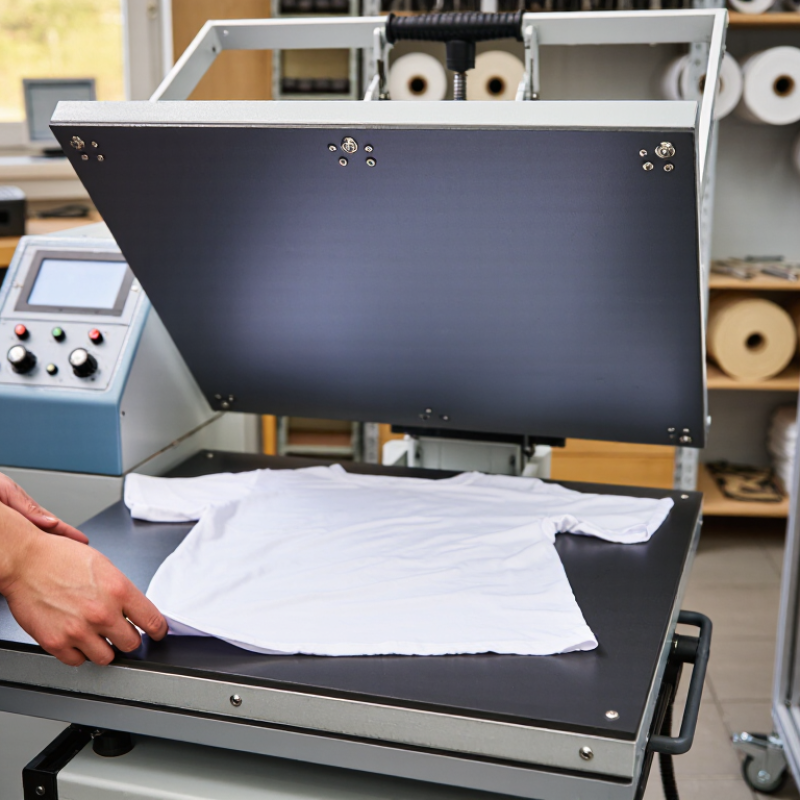
A Plate Heat Press is a machine that applies controlled heat and pressure through a flat, heated platen. In a typical workshop, an operator places a garment or other compatible material on the lower plate, positions a transfer, and closes the press for a set time. The result depends on more than temperature: pressure, dwell time, surface condition, and transfer type all matter. A small gap in pressure can leave a pale edge or an incomplete design.

The market context helps explain why these machines attract attention. Grand View Research’s Custom T-Shirt Printing Market report estimated the global market at about US$5.4 billion in 2022 and projected continued growth through 2030. This figure describes custom-shirt printing, not heat-press sales. The distinction matters. Still, it signals demand for personalized products, where presses are commonly used for short production runs, samples, and one-off items. The comparison is useful, but imperfect.

This guide explains how a Plate Heat Press works, what its main components do, and how flatbed models differ from other press designs. It also considers practical factors such as platen size, temperature consistency, pressure adjustment, and safety features. Real output can vary, even with the same settings. That deserves attention. Understanding those limits helps buyers choose equipment more carefully and helps operators troubleshoot transfers without relying on guesswork.
What Is a Plate Heat Press?

What a Plate Heat Press Is and How It Transfers Designs

A plate heat press uses a flat, heated platen to apply controlled heat and pressure to a design transfer. The blank sits on a firm lower surface, while the platen presses the transfer against it for a set time. The method is useful for flat items such as fabric panels, coated blanks, and other heat-compatible surfaces. It is not simply a hot plate: even pressure and stable temperature help the design adhere evenly.

The transfer method depends on the materials. With sublimation, heat turns dye in the printed transfer into gas, allowing it to bond with a polyester fabric or polymer-coated surface. Heat-transfer vinyl works differently; its adhesive layer softens and attaches to the item. Small gaps show. A curled corner, uneven pressure, or damp fabric can leave a pale patch or weak edge. Check the transfer and blank instructions, and test a small area when possible. I have found that temperature readings alone do not guarantee a clean result; platen contact and material condition matter, too. There is some trial and adjustment, especially when the blank’s thickness changes.

Key Components and Their Functions

A plate heat press transfers heat and pressure through a flat platen to bond a design onto a prepared surface. Its heated platen contains an electric heating element, while a temperature sensor feeds readings to the controller. The controller switches heat on or off to hold the selected setting. Sensor placement matters: a reading near the edge may not reveal a cooler center. Even pressure matters. The handle and linkage apply force; adjustable stops help users repeat the same pressure. A rigid frame keeps the platen aligned, and insulation can reduce heat loss around the assembly.

The lower plate supports the workpiece, often with a silicone pad or protective cover to cushion uneven surfaces. These parts have different jobs: the pad absorbs minor height changes, but cannot fix a warped platen. Small gap, big effect. The U.S. Department of Energy’s Improving Process Heating System Performance: A Sourcebook for Industry reports that process heating accounts for about 36% of energy used in U.S. manufacturing. This broad figure is not a plate-press efficiency rating; it does underline why insulation and accurate temperature control deserve attention. A practical check is to compare readings across the platen with a suitable surface thermometer. Press designs vary, and sensor readings are not the whole story.

How the Plate Pressing Process Works

What Is a Plate Heat Press?

How the Plate Pressing Process Works

A plate heat press transfers a printed design onto a compatible, polymer-coated plate using controlled heat and pressure. The operator positions the plate in a shaped cradle, then aligns the printed transfer face-down over its surface. A protective sheet helps prevent ink marks on the press. Small details matter.

When the press closes, its heated element warms the transfer and coating. Under heat, sublimation ink turns into gas and bonds with the coating. Time, temperature, and pressure must match the plate’s specifications; one setting does not suit every blank. Too little pressure can leave pale patches, while excessive pressure may distort the transfer or mark the coating. A centered image helps avoid uneven margins.

The U.S. Department of Energy’s Improving Process Heating System Performance sourcebook estimates that process heating accounts for about 17% of U.S. manufacturing energy use. That figure covers many industries, not plate presses specifically, but it shows why heat control matters. After the cycle, lift the plate carefully and follow the coating supplier’s cooling and paper-removal guidance. The awkward part is consistency: a press display may show the target temperature, yet the plate surface can heat unevenly. Check alignment and results on test pieces before production.

What Is a Plate Heat Press? - How the Plate Pressing Process Works

Process Stage What Happens Typical Setup or Conditions What to Check
Prepare the plate A plate heat press transfers a printed design onto a heat-compatible plate, commonly a ceramic plate with a sublimation coating. Use a plate that is specifically made for the chosen transfer method. Clean and dry its printable surface. Confirm the plate’s material, coating, size, and heat limits before pressing.
Print the design For sublimation, the design is printed with sublimation ink onto transfer paper and normally mirrored before printing. Use transfer paper and ink intended for sublimation. Trim excess paper where practical to reduce stray marks. Check the image orientation, color, and size against the plate’s printable area.
Position and secure The transfer is placed face down against the coated side of the plate. Heat-resistant tape can help prevent movement. Center the artwork and keep the transfer flat against the curved surface. Follow the press and blank instructions for positioning. Wrinkles, gaps, or shifting can cause blurred edges, uneven color, or unwanted transfer marks.
Set up the press The plate is placed in a plate-shaped heating element or supported by a matching curved press surface. The press applies heat and pressure to the transfer area. Choose the correctly sized plate element and set the machine according to the blank maker’s guidance. Ensure the plate is stable and the press closes evenly without excessive force.
Apply heat and pressure Heat activates the sublimation ink so it transfers into the polymer coating. Pressure helps maintain contact between the transfer and plate. A commonly used starting range for coated sublimation plates is about 180–200°C (356–392°F) for roughly 60–90 seconds. Actual settings vary by plate, press, and transfer system. Use the blank supplier’s recommended time and temperature as the priority. Adjust only through controlled test presses.
Release and cool When the cycle ends, the press is opened and the transfer paper is removed as directed for the material and process. Handle the plate with heat-resistant protection and place it on a stable, heat-safe surface to cool. The plate and press components can remain very hot after the cycle. Avoid touching heated surfaces.
Inspect the result The finished plate is checked for image coverage, color consistency, and visible defects. Allow the plate to cool sufficiently before handling or packaging. Look for faded areas, ghosting, paper marks, or uneven transfer; review alignment and contact if defects appear.

Important: A plate heat press is designed to transfer images onto compatible plate blanks. The operating range shown is a general starting point for some sublimation-coated plates, not a universal setting; follow the instructions for the specific blank and press.

Common Plate Heat Press Types and Compatible Materials

What Is a Plate Heat Press?

Common Plate Heat Press Types and Compatible Materials

A plate heat press transfers designs using controlled heat and pressure. Its shaped heating surface follows the curve of a plate, helping the transfer sit evenly. Some models use a fixed platen for one plate size. Others include interchangeable platens for different diameters or shallow curves. The fit matters. A platen that is too small may leave edges uneven, while one that is too large can press areas that do not need heat.

The most common compatible blanks are ceramic plates with a coating made for sublimation. Coated metal plates may also work when their surface is rated for heat transfer. Ordinary ceramic dinnerware usually will not hold a sublimated image, even if it looks smooth. Some specialty plastic blanks are suitable, but only when their product specifications allow the required heat. Not every plate works.

Before pressing, check the blank’s size, coating, and heat limits. Follow the press and transfer-material instructions, since time, temperature, and pressure vary. Keep the transfer paper flat and secure; a loose corner can cause a faint or blurred edge. This detail is easy to overlook. A small test on a similar blank can reveal uneven contact before you press a finished piece.

What Is a Plate Heat Press? — Common Types and Compatible Materials

A plate heat press applies controlled heat and pressure to transfer designs onto plates. Common setups include manual plate presses, interchangeable-platen presses, and pneumatic plate presses. Material compatibility depends on the plate’s coating and a platen that matches its shape and size.

Compatibility shown is qualitative, not a performance rating. Sublimation works on plates with a suitable polymer coating; uncoated ceramic, metal, and ordinary glass do not accept sublimation dye directly. Always use a plate and platen intended for the selected press.

Typical Uses and Safe Operating Practices

A plate heat press transfers designs onto flat ceramic plates using controlled heat and pressure. Typical uses include applying sublimation prints, decorative graphics, and personalized images. Operators position the plate carefully, since a crooked blank can shift during pressing. The display is not the whole story. Plate shape, coating, and contact pressure can affect the result, so follow the press and transfer-material instructions.

Safe operation starts with a stable, uncluttered work surface and a clear path around the hot platen. The U.S. Bureau of Labor Statistics reported 2.6 million nonfatal injury and illness cases in private industry in 2023, at a rate of 2.4 cases per 100 full-time-equivalent workers. This broad workplace figure is not specific to heat presses, but it underscores why routine precautions matter. Check cables and controls before use, keep hands clear when closing the press, and use heat-resistant gloves when handling hot plates. Ventilate the area, especially when transfer materials may release fumes. Let the unit cool before cleaning or moving it, and disconnect power when the manufacturer advises. A useful habit, easy to forget, is checking the plate’s actual surface temperature rather than trusting the display alone.

Let's Build Together

Contact Us: Call 435-563-3503

-OR-  Fill in the form below and we will call you back.

Copyright © 2025CNC Fabrication. All Rights Reserved.