2026 How to Use a 3D CNC Machine for Your Projects?
The world of technology has transformed how we approach projects. A 3D CNC machine stands at the forefront of this revolution. This powerful tool allows creators to bring their ideas to life with precision and speed. However, understanding how to effectively use a 3D CNC machine can be a challenge.
Many users feel overwhelmed when getting started. The complexity of the software and machinery can lead to mistakes. Yet, these initial struggles are part of the learning process. Experimentation often yields the best results. One might destroy a few materials before mastering the technique. Each error teaches valuable lessons, shaping a more skilled operator.
In this guide, we will explore practical steps to harness the full potential of a 3D CNC machine. We aim to simplify the process and make it accessible, regardless of your experience level. With some patience and practice, you can transform your creative visions into tangible projects.
Understanding the Basics of 3D CNC Machines in 2026
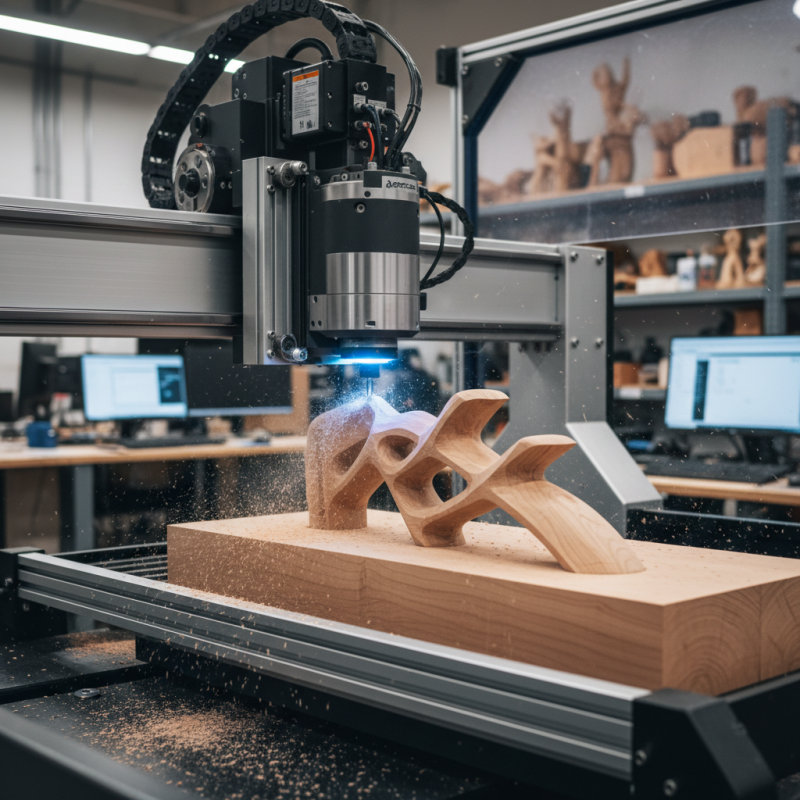
3D CNC machines have become increasingly accessible in 2026. Understanding their basics can empower any maker. These machines allow precise cutting and shaping of materials. They are used in various industries, from automotive to arts and crafts. However, using them effectively requires knowledge and practice.
One key tip is to start with simple designs. Complex projects can lead to mistakes and frustration. Experimenting with smaller items, like toys or tools, can build confidence. Check your settings before running the machine. A small error can result in wasted materials.
Another important aspect is safety. Always wear protective gear while operating the machine. Familiarize yourself with emergency stops and safety features. Reflect on your workspace organization as well. A cluttered area can lead to accidents. Keep your tools and materials well-maintained. This ensures better outcomes and can save time.
Key Components and Their Functions in a 3D CNC Machine
A 3D CNC machine operates through several key components, each vital to its function.
The controller is the brain, interpreting the design files. Mastering the controller takes time.
Users often struggle with coding issues or setting parameters correctly. The movement system, including motors and rails,
dictates the precision. Poor alignment can lead to errors, causing frustration.
The tool head is essential for material shaping. It requires regular maintenance to function optimally.
Users sometimes forget this step. It’s common to see wear and tear that alters the output quality. The material bed
is where the magic happens. It must be level for accurate cuts, but achieving that can be tricky. Many users overlook bed calibration,
resulting in uneven surfaces.
Cooling systems are often neglected, yet they play a crucial role. Overheating can damage the machine and projects.
Watching for temperature spikes requires diligence. Dust extraction is equally important. Without it,
the workspace becomes hazardous, and the machine’s efficiency drops. Many users realize this too late. Understanding these components
can enhance project quality, but practice and patience are key.
Step-by-Step Setup Process for Effective 3D CNC Machining
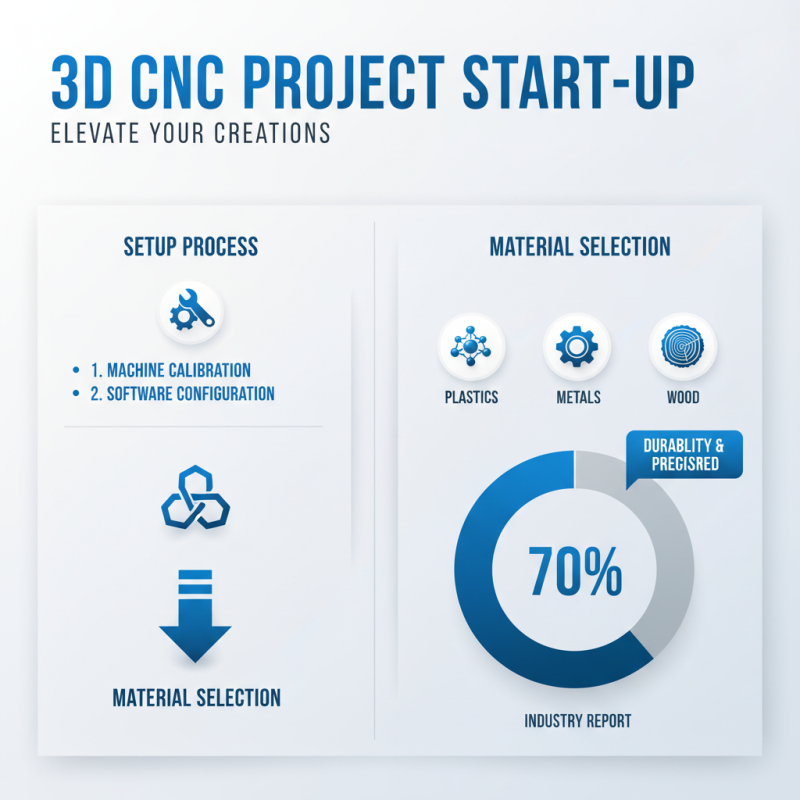
Using a 3D CNC machine can elevate your projects significantly. To get started, the setup process is crucial. Begin by selecting the right materials for your design. Common choices include plastics, metals, and woods. According to a recent industry report, 70% of CNC users prefer materials that offer durability and precision.
Next, ensure your machine is calibrated correctly. This step often gets overlooked. Regular checks can prevent costly errors during machining. An estimated 40% of users face setbacks due to misalignment of the CNC tool. Utilize the machine’s software for accurate measurements. Many operators report improvements in efficiency and reduced waste when using precise settings.
Prepare your design file in a compatible format. Check compatibility with your CNC machine. In some cases, software issues can lead to failed projects. Don’t hesitate to run test cuts with scrap materials. Testing helps identify potential flaws, and about 30% of designers recommend this approach. Every step matters in achieving a successful outcome. Adapting your process based on past experiences can lead to better results.
Essential Software for Designing 3D Models for CNC Projects
When embarking on a CNC project, choosing the right software is critical. Essential tools help convert your ideas into 3D models. User-friendly software can simplify complex designs. However, not all software meets every user's needs. It’s worth exploring multiple options.
Free software can be a good starting point. Yet, they may lack advanced features. Some might crash unexpectedly, causing frustration. Paid options often offer better support. They might include libraries of pre-made designs. Choosing the right software takes time. It's essential to balance functionality and ease of use.
Don’t overlook the importance of community resources. Online forums often provide valuable insights. Learning from others' mistakes is beneficial. You might find tutorials helpful, but they can vary in quality. Some may miss critical steps. Experimentation is essential. Be prepared to revise your designs. The right software, along with practice, will lead to success.
Common Material Options and Their Applications in CNC Machining
When it comes to CNC machining, choosing the right material is crucial. Many options are available, each with unique properties. Common choices include
wood,
metal, and
plastic.
Wood is versatile and easy to work with. It offers a warm finish and can be carved or cut easily. However, it may not be ideal for high-precision projects.
Metal provides strength and durability. It can withstand heavy loads and is suitable for functional parts. Aluminum is lightweight and resistant to corrosion. However, working with metal can be challenging. It requires specific tools and can produce a lot of waste.
Plastics are another option, providing versatility and a range of colors. They can be cut and shaped with ease. Yet, some plastics may warp under heat. Selecting the right material means considering your project’s requirements. It may lead to trial and error, but getting it right pays off. Each material has its strengths and weaknesses, and understanding these will enhance your CNC machining experience.
Related Posts
-
Global Quality Revolution in Best Large Part CNC Machining Made in China
-

Top Strategies for Sourcing the Best CNC Steel: Insights from Industry Leaders and Market Trends
-

Exploring the Impact of CNC Metal Parts on Manufacturing Efficiency: Key Trends and Innovations
-
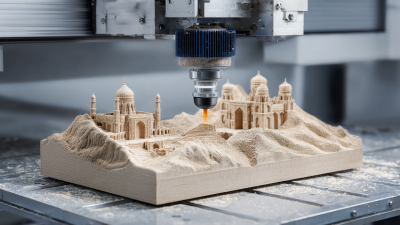
Manufacturing Excellence Redefined China Leads the Way with the Best 3D CNC Machines for Global Markets
-
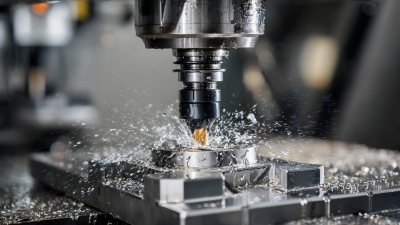
Choosing the Right Manufacturer for Best CNC Machine Fabrication Solutions You Can Trust
-
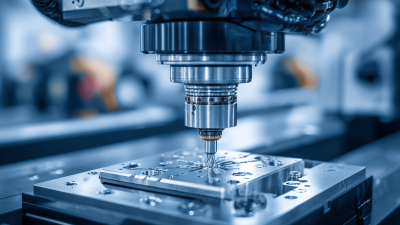
Exploring the 2025 Tech Trends in CNC Metal Machining: Innovations Driving Industry Efficiency
Let's Build Together

Contact Us: Call 435-563-3503
-OR- Fill in the form below and we will call you back.