What Are the Top Wear Plate Suppliers in China?
China remains a major sourcing base for Wear Plate because of its enormous steelmaking capacity and broad fabrication network. The World Steel Association reported that China produced approximately 1.005 billion tonnes of crude steel in 2024. This scale supports large production volumes, flexible thickness ranges, and competitive export pricing. However, volume alone does not prove quality.
Market studies from Grand View Research and ResearchAndMarkets identify construction, mining, cement, recycling, and material handling as important demand sectors for wear-resistant steel. Their forecasts also suggest continued growth, although estimates differ by scope and methodology. That difference deserves attention. A supplier ranking should not rely on market size alone.
Tribology expert Professor Kenneth C. Ludema stated, “Wear is not a material property.” His warning is highly relevant. Plate performance depends on hardness, toughness, impact energy, abrasion type, welding practice, and operating temperature. A quarry bucket facing sharp rock needs a different solution from a coal chute handling sliding particles.
This article examines leading Chinese suppliers, including Baosteel, Wuyang Iron and Steel, Ansteel, TISCO, and specialist wear-plate manufacturers. It compares grade availability, chemical consistency, heat-treatment control, certification, delivery capability, and technical support. Mill certificates matter. So do independent test results.
Buyers should review standards such as ASTM, EN, and ISO requirements before comparing quotations. The lowest price can become expensive after premature cracking, distortion, or unplanned replacement. No supplier wins every application. The strongest choice is the one that matches the plate to the actual wear mechanism.
What Is a Wear Plate and Why Is It Important?
What Are the Top Wear Plate Suppliers in China?
What Is a Wear Plate and Why Is It Important?
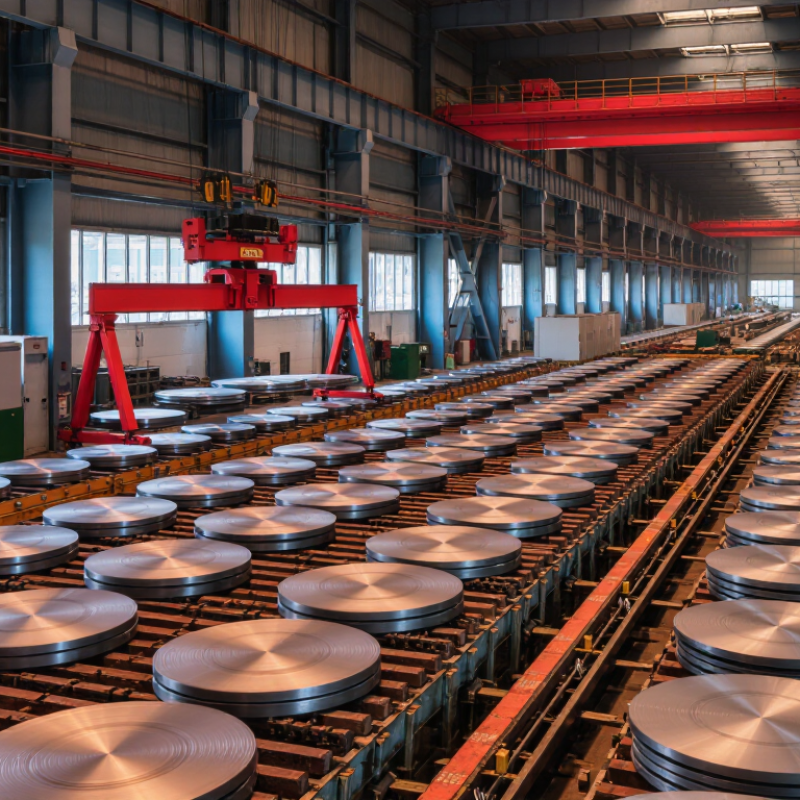
A wear plate is a steel plate designed to resist abrasion, impact, or sliding friction. It protects machinery surfaces that face constant material loss. In a quarry, crushed stone can strike a loader bucket like repeated hammer blows. In a recycling plant, sharp scrap can scrape chutes for hours. Ordinary steel may thin quickly under these conditions.
Wear plates usually combine a tough base with a harder working surface. Hardness improves abrasion resistance, while toughness helps prevent cracking during impact. The correct grade depends on material size, impact energy, temperature, and operating speed. Hardness alone is not enough. No plate fits every application. That point is easy to overlook.
Tips: Ask suppliers for hardness test results, chemical data, and production traceability. Check plate thickness at several points, not only at the edge. Confirm welding and cutting guidance before installation. A dependable Chinese supplier should explain testing methods, tolerances, delivery protection, and after-sales support clearly. Site measurements also matter. A plate that looks suitable on paper may fail when moisture, heat, or unexpected impact changes the working conditions. Measure twice. Also, review actual service life instead of trusting attractive claims. Supplier evaluation should include technical communication, inspection records, export experience, and consistent quality across multiple orders.
Which Types of Wear Plates Are Made in China?
China produces a wide range of wear plates, from quenched-and-tempered steel to chromium carbide overlay plates. Its large steel base supports flexible thickness, hardness, and delivery options. The World Steel Association reported that China produced about 1.005 billion tonnes of crude steel in 2024, creating a strong industrial foundation for wear-resistant products.
Quenched-and-tempered plates are common in dump bodies, crushers, conveyors, and mining equipment. Typical grades include 400, 450, and 500 Brinell hardness levels. Higher hardness can reduce sliding wear, but it may lower impact tolerance. That trade-off matters in real work. Not every harder plate lasts longer.
High-manganese steel, often called Mn13, remains useful for impact-heavy conditions. It can harden during service under repeated loading. Chromium carbide overlay plates suit severe abrasive environments, such as chutes, hoppers, and cement equipment. The overlay contains hard chromium-rich carbides within a tougher metallic matrix. Bimetallic plates add a wear layer to a structural backing plate, simplifying repairs in large panels.
Buyers should check hardness testing, chemical analysis, bend performance, and weldability. ASTM G65 can support abrasive wear evaluation, while EN 10025 and related standards help verify steel properties. Published test data is valuable, but field conditions are messier. Moisture, impact angle, material size, and poor installation can change results. A careful supplier should provide traceable mill certificates and inspection records, not only attractive hardness numbers.
What Are the Top Wear Plate Suppliers in China? - Which Types of Wear Plates Are Made in China?
| Wear Plate Type | Typical Manufacturing Route in China | Typical Hardness or Performance Range | Common Thickness Range | Main Applications | Relevant Standards or Specifications | Key Purchasing Considerations |
|---|---|---|---|---|---|---|
| Quenched and Tempered Abrasion-Resistant Steel Plate | Controlled rolling followed by water or spray quenching and tempering. | Approximately 360–600 HBW, depending on grade and heat treatment. | About 4–100 mm; heavier sections are available from selected mills. | Mining trucks, hoppers, crushers, loaders, conveyors, dump bodies and structural equipment. | GB/T 24186, ASTM A588/A514-related project requirements, EN 10025 or customer specifications. | Confirm hardness uniformity, impact toughness, flatness, ultrasonic testing and welding recommendations. |
| Low-Alloy Structural Wear Plate | Low-alloy steelmaking, hot rolling and controlled heat treatment designed to balance strength, toughness and abrasion resistance. | Typically 300–450 HBW, with better weldability than very high-hardness grades. | Approximately 6–80 mm. | Construction machinery, agricultural machinery, transport equipment and general fabrication. | Project-specific chemical, mechanical and dimensional requirements; EN and ASTM specifications may be used by contract. | Evaluate carbon equivalent, preheating needs, bendability and the required balance between wear life and fabrication cost. |
| Chromium Carbide Overlay Plate | Flux-cored arc welding or other overlay welding deposits a chromium-rich carbide layer onto a carbon-steel or low-alloy backing plate. | Overlay hardness commonly about ื? 55–65 HRC; exact values depend on alloy and test method. | Backing plate commonly 3–25 mm; overlay thickness often 3–20 mm. | Cement plants, coal-fired power plants, steel mills, dredging equipment and severe sliding-abrasion zones. | Usually manufactured to technical datasheets, welding procedures and customer drawings rather than one universal plate standard. | Check crack pattern, overlay chemistry, deposit thickness, flatness, dilution and recommended cutting method. |
| High-Chromium Cast Iron Wear Plate | Casting of high-chromium white iron, followed by heat treatment and machining or surface finishing. | Often approximately 58–68 HRC, depending on chromium, carbon content and heat treatment. | Commonly 10–100 mm for cast wear components and plates. | Crusher liners, mill liners, chute liners, pump components and high-impact mineral-processing equipment. | ASTM A532 is commonly referenced for high-chromium abrasion-resistant cast irons. | Prioritize carbide distribution, casting quality, impact conditions, repair policy and dimensional accuracy. |
| Manganese Steel Wear Plate | Austenitic manganese steel is cast or rolled and supplied for applications where impact causes work hardening. | Initial hardness is commonly about 180–250 HBW; service hardness increases under impact and deformation. | Approximately 6–100 mm, depending on product form and application. | Jaw crushers, gyratory crushers, railway crossings, impact zones and heavy-duty liners. | ASTM A128 is commonly used for austenitic manganese steel castings; project specifications may vary. | Best suited to high-impact service; verify chemical composition, solution treatment and resistance to premature cracking. |
| Stainless and Duplex Wear-Resistant Plate | Hot rolling or cladding of corrosion-resistant alloys, sometimes combined with abrasion-resistant surface layers. | Performance is normally specified by corrosion resistance, yield strength and wear test results rather than hardness alone. | Approximately 3–50 mm for rolled or clad plate. | Chemical processing, slurry handling, marine equipment, food processing and corrosive mining environments. | ASTM A240, ASTM A240M and applicable duplex stainless-steel specifications. | Select by chloride exposure, pH, temperature, weld procedure, ferrite balance and required abrasion resistance. |
| Bimetallic Clad Wear Plate | A wear-resistant alloy layer is metallurgically bonded to a tougher, weldable backing plate by overlay welding, explosive bonding or other cladding processes. | Wear-layer hardness and bonding strength are specified separately; performance depends on the selected alloy system. | Total thickness commonly 6–40 mm, with customized layer proportions. | Transfer chutes, hoppers, feeders, pipelines, fans and custom replacement liners. | Usually controlled by purchase specifications, bond testing requirements and fabrication drawings. | Confirm bond integrity, wear-layer continuity, backing-plate weldability, allowable forming radius and repair procedures. |
| Fabricated and CNC-Cut Wear Components | Wear plate is cut, drilled, bent, rolled or machined into liners and replacement parts using drawings or supplied templates. | Performance follows the base plate grade; dimensional accuracy is usually the primary added value. | Commonly produced from 6–80 mm plate, subject to equipment capacity. | Bucket liners, chute sections, crusher liners, truck-body liners and replacement wear parts. | Customer drawings, ISO 2768 tolerances where applicable, welding procedures and agreed inspection plans. | Review drawing control, cutting heat input, hole accuracy, bend cracking, traceability and final inspection records. |
Note: Thickness, hardness and standards are typical industry ranges and may vary by grade, production route, heat treatment, order quantity and customer specification. Supplier qualification should include material certificates, traceability, inspection records and application-specific wear testing.
How to Evaluate China’s Top Wear Plate Suppliers
Evaluating China’s top wear plate suppliers requires more than comparing quoted prices. The World Steel Association’s World Steel in Figures 2025 reports that China produced about 1,005.1 million tonnes of crude steel in 2024. This scale suggests strong manufacturing capacity, but it does not prove consistent wear performance. Buyers should request production records, not broad claims.
Check the plate’s chemistry, hardness, impact toughness, and abrasion results. Ask for a heat number linked to the mill certificate. For a 20 mm plate, require thickness measurements at several points, including corners and the center. Ultrasonic inspection records can reveal internal discontinuities. ASTM G65 testing is useful for comparing abrasive wear, while ISO 6506 methods support Brinell hardness verification. Independent laboratory reports carry more weight than supplier-generated spreadsheets.
Factory experience matters. Review furnace control, quenching systems, cutting accuracy, and complaint handling. A reliable supplier should explain whether cutting may create a heat-affected edge. It should also provide packing photos and traceable shipment documents. I would not trust a polished brochure alone. Hardness can look impressive while toughness remains weak. That mistake is easy to make. OECD steel industry analysis repeatedly highlights overcapacity and margin pressure, so unusually low prices deserve careful scrutiny. Request recent samples, inspect surface cracking, and compare test results from separate production heats before approving a long-term order.
What Industries Use Chinese Wear Plates?
Chinese wear plates serve demanding industries where friction, impact, and heavy loads shorten equipment life. Mining operations use them in truck beds, hoppers, chutes, and crushers. Quarries install them inside stone feeders and conveyor transfer points. Cement plants protect mill liners, storage bins, and clinker transport systems. These areas expose steel to sharp rock, dust, and constant movement.
Steel plants also use wear-resistant plates around charging systems, slag carts, and material bins. Ports and bulk terminals line grab buckets, hoppers, and ship-loading equipment. Construction companies apply them to excavator buckets, demolition attachments, and dump bodies. Recycling facilities need protection against mixed scrap, glass, and metal fragments. The right grade depends on impact energy, material size, moisture, and operating temperature.
Power generation, dredging, agriculture, and waste handling create additional demand. Dredging pipes may face abrasive sand, while farm machinery handles soil and stones. Procurement teams should review hardness, thickness tolerance, chemical composition, and test certificates.
Welding procedures matter too, especially for large repairs in remote mines. A recurring mistake is choosing the hardest plate without checking impact resistance. It can crack under sudden loading. Fit matters more.
Reliable suppliers should provide traceable inspection records and practical fabrication guidance. Field measurements remain valuable because drawings may not reflect actual wear. No plate survives every condition. Operators should inspect corners, weld zones, and high-speed transfer points regularly. Small design changes can extend service life, although results may vary between sites.
How to Choose the Right Wear Plate Supplier in China
Choosing a wear plate supplier in China requires more than comparing prices. The World Steel Association reported that China produced about 1.0 billion tonnes of crude steel in 2024. This scale offers broad manufacturing capacity, but it does not prove consistent plate quality. A capable supplier should provide heat numbers, mill certificates, chemical analysis, and hardness results for each batch. Ask whether testing is performed under recognized standards, such as ASTM, EN, or ISO procedures.
Small details matter.
Request samples before signing a large contract. Check plate thickness at several points, not just one corner. Inspect the surface for cracks, laminations, deep pits, and uneven weld overlays. The supplier should explain impact toughness, abrasion testing, cutting limits, and recommended welding practice.
According to ISO 9001 principles, documented processes and traceability support reliable quality control. Still, certification alone is not enough.
An attractive certificate can hide weak production discipline. I would also review recent inspection reports, export experience, packaging photos, and claims handling. Ask for a video call from the actual production floor. Seeing stored plates, test equipment, and marking practices can reveal more than a polished website.
A third-party inspection before shipment is sensible, although I once underestimated its cost and timing.
Supplier selection is never perfectly predictable. Evaluate evidence, not promises.
Article Source:
Let's Build Together
Contact Us: Call 435-563-3503
-OR- Fill in the form below and we will call you back.