What Are the Top Types of Nozzle Hydrants?
Choosing a Nozzle Hydrant is not just a matter of counting outlets. During a site inspection, visible clues include the number and size of discharge openings, cap style, connection type, and drainage design. These details affect hose compatibility, access, and routine maintenance. Small differences matter. Yet product labels are not always consistent, and similar designs may appear under different names.
This guide examines common configurations, including single-outlet, twin-outlet, and multi-outlet hydrants. It also explains how wet-barrel and dry-barrel designs differ, since outlet arrangement and barrel construction describe separate features. That distinction matters. A hydrant with more outlets does not automatically deliver greater flow; performance also depends on the water supply, pressure, and installation. Practical selection starts with checking the product specifications, outlet connections, rated performance, and manufacturer’s maintenance guidance. Local requirements and site conditions should also be confirmed with qualified professionals. The right choice depends on where and how the hydrant will be used. There is no perfect label, and product descriptions can leave important details unclear. A careful comparison can make those differences easier to spot.
How Nozzle Hydrants Are Classified
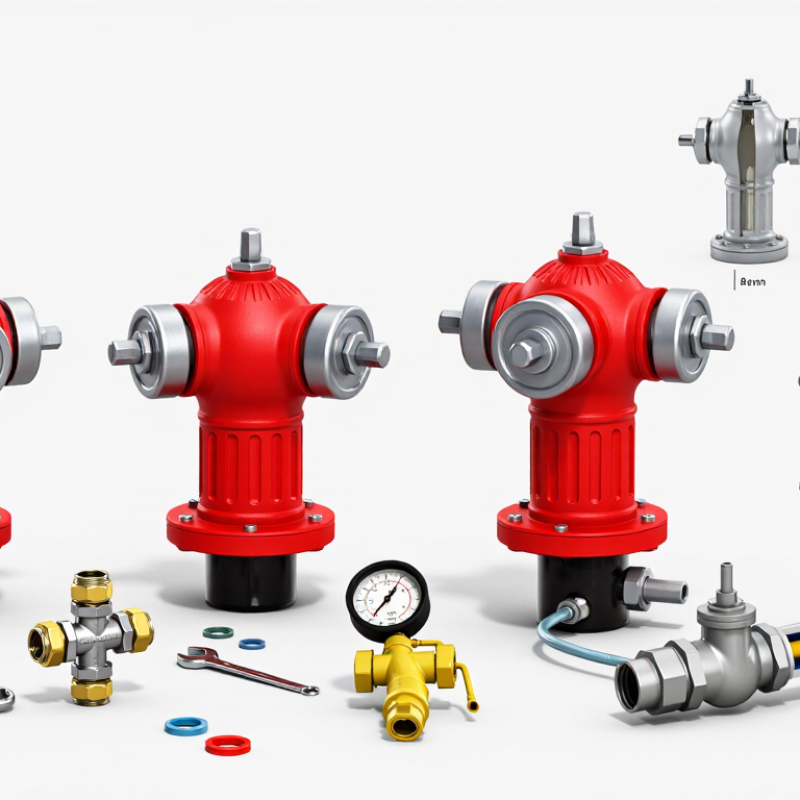
Nozzle hydrants are commonly classified by barrel design, outlet arrangement, and connection size. Wet-barrel hydrants keep the barrel pressurized, with separate valves at the outlets. They are often used where freezing is uncommon. Dry-barrel hydrants place the main valve below ground, helping the exposed barrel drain after use. They suit colder locations. Details matter.
Outlet count and size form another practical classification. A hydrant may have two hose outlets and one larger pumping outlet, but configurations vary. The nozzle shape and thread or coupling must match the intended hose and equipment. Fit matters. A mismatch can delay connection, even when the hydrant itself appears sound.
Installation and operating features also distinguish models. Some hydrants are above-ground units; others are installed below ground and accessed through a chamber. Opening direction, drain design, and breakaway features may differ. These details affect inspection and maintenance, not just appearance. A painted cap can hide wear around its threads. Classification terms also vary by region, so product drawings and local water-system specifications are more dependable than a name alone. There is no single label that tells the whole story.
Dry-Barrel Hydrants and Their Nozzle Arrangements
What Are the Top Types of Nozzle Hydrants?
Dry-Barrel Hydrants and Their Nozzle Arrangements
A dry-barrel hydrant keeps its main valve below ground, where water can remain protected from freezing. After the valve closes, water in the barrel drains through a lower outlet. The barrel should be empty. If drainage fails, trapped water may freeze and damage the hydrant.
Nozzle arrangements vary with local standards and the hydrant’s intended use. A common layout pairs one larger pumper nozzle with two smaller hose nozzles. The larger opening supports high-volume connections, while the smaller outlets serve fire hoses. Some hydrants use different outlet sizes or orientations, so crews need clear access and compatible couplings. Details matter.
The pumper nozzle may face the street for easier vehicle connection, but placement depends on site conditions. A curb, wall, or parked vehicle can make a well-sized nozzle awkward to reach. Inspectors should check outlet caps, threads, drainage, and clearance during routine maintenance. A dry barrel is not automatically a reliable one. I would also question any layout chosen only because it looks familiar; actual flow needs, installation rules, and local operating practices should guide the choice.
Wet-Barrel Hydrants and Their Nozzle Arrangements
Wet-barrel hydrants keep their barrels pressurized, so each nozzle usually has its own operating valve. Their outlet arrangement often includes two 2.5-inch hose connections and one larger pumper connection, though local hose equipment and fire-service practice can change the layout. The smaller outlets support handlines; the larger outlet can supply a higher-volume hose connection. The exact fit matters. Crews need compatible threads, clear access, and enough room to attach hoses without sharp bends.
NFPA 291’s hydrant-flow-testing guidance records static pressure, residual pressure, and flow. It uses 20 psi residual pressure as a common reference point when estimating available flow. That gives operators a practical way to compare supply, not a guarantee that every nozzle arrangement will deliver the same result. AWWA C503 covers wet-barrel fire hydrants, but field conditions still matter: worn valve stems, obstructed caps, and sediment can affect operation. A cap may look sound and still resist opening. That detail is easy to miss. Routine inspection and measured flow tests help confirm that each outlet works as intended.
What Are the Top Types of Nozzle Hydrants? — Wet-Barrel Hydrants and Their Nozzle Arrangements
Wet-barrel hydrants can be configured with different combinations of hose and pumper outlets. The chart shows example outlet counts, not market frequencies or a universal standard. Hose outlets are commonly 2½ inches, while pumper outlets are often 4½ inches; sizes and arrangements vary by local requirements.
Key Factors for Comparing Nozzle Hydrant Types
When comparing nozzle hydrants, start with how each design handles freezing conditions. A dry-barrel hydrant keeps its main valve below ground, allowing the barrel to drain after closure. A wet-barrel hydrant stays charged with water and is generally suited to frost-free areas. Climate matters. Installation depth and drainage conditions can still affect performance, so check the site rather than relying on the type name alone.
Next, compare nozzle arrangement and connections. Look at the number and size of outlets, connection style, and compatibility with the hoses and equipment used by local crews. Nominal outlet size does not guarantee adequate flow; available water supply and pressure losses also matter. Verify these details against project specifications. A tidy comparison chart may miss practical constraints.
Operating and maintenance needs deserve attention, too. Consider cap access, wrench clearance, drainage, and how easily crews can inspect and service the hydrant. A useful site check includes measuring clear space around the unit and confirming that caps can be removed without obstruction. Small details count. Selection is not always neat: a model that fits the flow target may be awkward to maintain, while an easier-to-service option may require a different connection setup.