What Are the Best Process Calibrators in China?

Choosing the best Process Calibrators in China requires more than comparing prices or screen sizes. Reliable calibration supports safer production, consistent measurements, and stronger audit results. The right instrument should match the process, environment, and required accuracy.

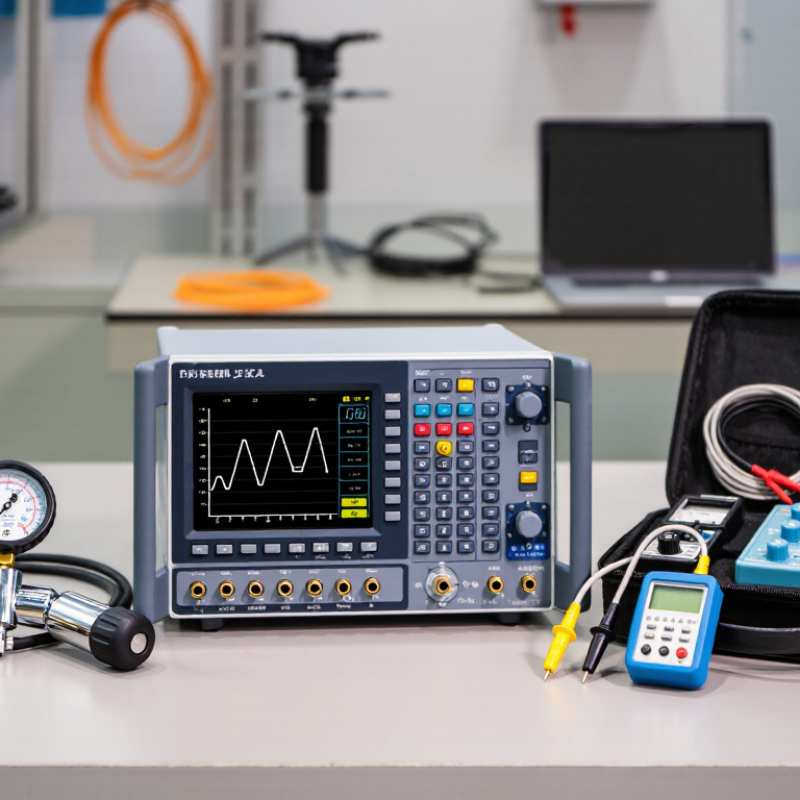
Chinese manufacturers offer calibrators for pressure, temperature, electrical, frequency, and multifunction applications. Some compact models fit easily into a technician’s tool case. Others include built-in pumps, HART communication, data logging, or loop power. A pressure calibrator may need to verify a transmitter beside a noisy compressor. A temperature model may work near a furnace, where heat and dust expose weak designs quickly.

Accuracy matters, but it is not the only concern. Buyers should examine calibration certificates, traceability, sensor stability, battery life, software usability, and after-sales support. Chinese suppliers with documented quality systems and responsive technical teams can provide practical advantages. Local service may shorten downtime and simplify spare-parts access.

Still, “best” is not universal. A laboratory may prioritize low uncertainty, while a refinery technician may value rugged handling and fast setup. Product pages sometimes present impressive specifications without enough testing context. That deserves careful questioning. Independent verification, sample inspections, and realistic demonstrations remain valuable before purchase.

This guide compares leading Process Calibrators available in China through technical capability, field practicality, documentation, and supplier reliability. It considers both established brands and capable specialist manufacturers. The goal is not to praise every model. It is to identify instruments that perform consistently when measurements matter.
What Are the Best Process Calibrators in China?

Process Calibrators: Definition, Purpose, and Main Applications

What Are the Best Process Calibrators in China?

A process calibrator is a portable reference instrument for checking pressure, temperature, electrical, and signal measurements. It can source or measure 4–20 mA, voltage, resistance, frequency, and thermocouple signals. In Chinese chemical, pharmaceutical, energy, and water plants, technicians use it beside control valves, transmitters, and distributed control systems. The purpose is practical: compare an instrument’s output with a traceable standard, identify drift, and adjust the loop safely.

Good calibrators support documented uncertainty, stable readings, and simple field operation. NIST Technical Note 1297 explains that a coverage factor of k=2 generally represents about 95% confidence. That detail matters during acceptance testing and audits. ISO/IEC 17025 also requires laboratories to control calibration competence, equipment, and measurement traceability. A strong field workflow records the test point, ambient temperature, reference value, error, and technician.

The best choice depends on the application, not only the specification sheet. A refinery may need pressure modules, intrinsically safe design, and loop power. A food plant may prioritize cleanable cases and temperature simulation. Published market studies continue to forecast steady growth for industrial calibration equipment, while the ISO Survey 2023 recorded more than 790,000 ISO 9001 certificates in China. Quality systems are expanding. Yet paperwork can hide weak measurements. Accuracy is not enough. Users should verify local service, certificate quality, battery behavior, and performance after repeated field handling. Even experienced teams sometimes overlook humidity and lead resistance. That gap matters.

Key Types of Process Calibrators Available in China

What Are the Best Process Calibrators in China?

China’s process industries use several calibrator types, each suited to different maintenance conditions. Handheld multifunction calibrators are common in chemical plants, water facilities, and manufacturing lines. They can source and measure voltage, current, resistance, frequency, and temperature signals. Many support 4–20 mA loop testing, which helps technicians check transmitters without removing field wiring.

Pressure calibrators serve another major need. Portable pressure sources, digital pressure modules, and hydraulic test pumps support gauges, switches, and pressure transmitters. Pneumatic versions fit lower ranges, while hydraulic equipment handles higher pressures. Temperature calibrators include dry-block units and reference thermometers. A dry block can test sensors beside a production line, even when the workshop is far away. It is practical.

Electrical loop calibrators are smaller and faster for commissioning work. They can simulate a transmitter, measure loop current, and identify wiring problems. Multifunction process calibrators combine these tasks with data storage and documentation. This feature supports traceability when records must meet internal quality procedures or laboratory requirements.

Selection should follow the process, not appearance. Check measurement range, accuracy, resolution, environmental protection, battery life, and calibration certificates. Chinese factories may face dust, humidity, vibration, and limited maintenance time. A rugged case matters. Still, the highest accuracy is not always the best choice. It may increase cost and complicate field use. A checklist can also miss operator training, which often affects results more than specifications.

What Are the Best Process Calibrators in China? – Key Types of Process Calibrators Available in China

Process Calibrator Type Main Signals or Parameters Typical Measurement or Source Range Typical Accuracy Typical Applications in China Key Selection Factors
4–20 mA Loop Calibrator DC current, loop power, percentage output, transmitter simulation 0–24 mA; commonly supports 12–30 V DC loop power Approximately ±0.05% to ±0.1% of reading Testing flow, pressure, level and temperature transmitters; commissioning and troubleshooting control loops Loop power capability, HART-compatible loop resistance, battery life, overload protection and intrinsically safe options
Multifunction Electrical Process Calibrator DC voltage, DC current, resistance, frequency and pulse signals Typically 0–10 V, 0–24 mA, resistance from tens of ohms to several kilohms, and frequency from low hertz to several kilohertz Approximately ±0.02% to ±0.1% of reading, depending on function Calibration of PLC analog inputs, signal conditioners, data acquisition systems and control panels Source and measure modes, isolated channels, resolution, output stability and calibration certificate traceability
Temperature Process Calibrator RTD, thermocouple, thermistor and temperature transmitter signals RTD and thermocouple simulation; common sensor types include Pt100, K, J, T, E, N, R and S Electrical simulation commonly ±0.2–1.0 °C; actual accuracy depends on sensor type and temperature range Verification of temperature transmitters, thermocouple inputs, RTD circuits, ovens and process temperature loops Supported sensor standards, cold-junction compensation, three- or four-wire RTD measurement and high-temperature stability
Pressure Calibrator Gauge, absolute and differential pressure; pneumatic or hydraulic generation From vacuum ranges around −0.1 MPa to positive ranges commonly between 1 MPa and 70 MPa, depending on the pressure module or pump Approximately ±0.05% to ±0.25% of full scale for typical field instruments Calibration of pressure transmitters, gauges, switches, safety systems and hydraulic or pneumatic instruments Pressure range, media compatibility, leak rate, module interchangeability, overpressure protection and pump type
Documenting Multifunction Calibrator Current, voltage, resistance, frequency, RTD and thermocouple signals; some models support digital transmitter communication Usually combines 0–24 mA, 0–10 V, thermocouple and RTD functions in one handheld instrument Approximately ±0.02% to ±0.1% of reading, depending on the selected function Routine maintenance, loop commissioning, calibration data recording and multi-parameter field service Internal memory, calibration procedures, USB data transfer, display readability, communication support and certificate management
Dry-Block Temperature Calibrator Controlled temperature generation for temperature sensors and switches Common working ranges include approximately −30 °C to 1,200 °C, depending on the heating or cooling design Typical stability and uniformity are about ±0.1 °C to ±0.5 °C in suitable operating ranges Testing RTDs, thermocouples, temperature switches and thermal instruments in laboratories and industrial plants Temperature range, well diameter, loading effect, stability, uniformity, ramp time and reference sensor compatibility
Electrical Safety and High-Voltage Calibrator Insulation resistance, leakage current, voltage and electrical safety test parameters Common insulation test outputs range from several hundred volts to around 1,000 V DC, depending on the instrument Usually specified separately for voltage, resistance and leakage-current functions Verification of electrical safety testers, control cabinets, motors, power supplies and industrial equipment Output safety, discharge function, measurement category, insulation resistance range, interlock design and applicable test procedures

Note: The ranges and accuracy figures shown are representative specifications for commonly available process-calibration equipment in China. Actual performance varies by instrument configuration, environmental conditions, calibration method and measurement function.

Evaluation Criteria for Selecting a Process Calibrator

What Are the Best Process Calibrators in China?

Selecting a process calibrator requires more than comparing advertised accuracy. In field inspections, I check the instrument’s measurement range against the plant’s actual transmitters, gauges, and sensors. A device that measures 0–10 bar may be unsuitable for a 40 bar application. Small mismatches can create serious testing errors.

Accuracy, resolution, and measurement uncertainty deserve separate attention. Ask for current calibration certificates with traceability to recognized national or international standards. The certificate should identify test points, environmental conditions, reference equipment, and uncertainty values. Temperature stability also matters. A calibrator used near boilers or outdoors may drift when exposed to heat, moisture, or vibration. It should survive real working conditions, not only a controlled laboratory.

Usability affects reliability. Clear menus, readable screens, secure connections, and a battery lasting through a full shift reduce mistakes. For hazardous industrial areas, verify the required safety rating and operating limitations before purchase. Data storage and export functions can strengthen maintenance records and audit evidence. Local technical support is valuable when a pressure module needs verification or a repair cannot wait.

No checklist is perfect. I have seen teams choose impressive specifications but ignore connector compatibility and training time. That decision became expensive. A practical evaluation should include a hands-on trial with typical sensors, cables, fittings, and working procedures. Record the results, repeat difficult tests, and question any unexplained deviation before approving the calibrator.

Leading Process Calibrator Manufacturers and Suppliers in China

What Are the Best Process Calibrators in China?

China has many capable process calibrator manufacturers and suppliers. The strongest companies combine stable production with practical calibration knowledge. They typically provide instruments for pressure, temperature, voltage, current, and frequency testing. Some models support 4–20 mA loop simulation and 24 V loop power. Others combine several functions in one handheld unit.

A dependable supplier should explain accuracy, measurement range, resolution, and environmental limits clearly. For example, a pressure calibrator may cover 0 to 10 bar, while a temperature model may support RTD and thermocouple inputs. Ask for calibration certificates with traceable results. ISO/IEC 17025 laboratory cooperation is also valuable when projects require documented verification. Good suppliers usually offer factory testing, operating guidance, spare parts, and responsive technical support.

Look beyond the product brochure. A polished specification sheet is not enough. Check connector quality, battery life, display readability, and protection against workshop dust. Request sample reports and confirm the expected delivery schedule. Some manufacturers have excellent hardware but weaker English documentation. That can slow commissioning. Others respond quickly but lack local service coverage. This trade-off deserves honest review. A short video demonstration, inspection record, and clear warranty terms can reveal more than a sales claim. Field acceptance testing remains essential, even when the supplier appears highly experienced.

Calibration Standards, Accuracy, and After-Sales Support

What Are the Best Process Calibrators in China?

The strongest process calibrators combine recognized standards, stable accuracy, and responsive after-sales support. In China, buyers should request calibration certificates from laboratories accredited to ISO/IEC 17025. That standard requires technical competence, traceability, and controlled measurement procedures. BIPM’s 2024 KCDB overview lists more than 25,000 internationally recognized calibration and measurement capabilities. This shows why traceability matters. A device may display impressive accuracy, yet its certificate may lack a clear reference chain.

Accuracy should match the process, not only the product brochure. NIST Technical Note 1297 separates uncertainty into eight evaluation categories, including repeatability, resolution, and reference standards. Ask for the complete uncertainty budget. Check drift data, sensor compatibility, pressure ranges, and temperature effects. A 0.05% specification can become less useful in a hot plant with unstable pressure. My practical concern is simple: many buyers compare headline accuracy but ignore service conditions. That is an easy mistake.

Tips: Before purchasing, test the calibrator against a trusted reference. Confirm local repair capacity, response times, spare-part availability, and firmware procedures. Ask whether technicians can provide on-site verification in Chinese and English. Keep calibration records digitally. A short demonstration can reveal confusing menus, slow stabilization, or weak battery performance. The cheapest option may work. It may also create hidden downtime.

What Are the Best Process Calibrators in China?

Recommended evaluation priorities: calibration standards, accuracy, range coverage, and after-sales support.

This procurement benchmark assigns the greatest weight to traceable calibration standards and measurement accuracy. ISO/IEC 17025 traceability, documented uncertainty, suitable measurement ranges, calibration certificates, repair capability, spare-parts availability, and response time should be verified before purchase. The percentages are a practical evaluation framework rather than a ranking of any specific company or brand.

Let's Build Together

Contact Us: Call 435-563-3503

-OR-  Fill in the form below and we will call you back.

Copyright © 2025CNC Fabrication. All Rights Reserved.