
What Are the Top Motor Mount Types in 2026?
Choosing the right mount motor is not a small detail. It can change vibration, cabin noise, handling, and component life. In 2026, drivers and technicians will commonly compare rubber, hydraulic, polyurethane, solid, and active motor mounts. Each type manages engine movement differently. A rubber mount may soften everyday vibration, while a hydraulic design can better control certain frequencies. Solid mounts offer firmer restraint, but they can send more vibration into the chassis. Active mounts add control, though they also bring greater complexity.
Automotive engineer and designer Colin Chapman famously said, “Adding power makes you faster on the straights. Subtracting weight makes you faster everywhere.” His remark is not about motor mounts specifically, but it captures a useful engineering truth: every design choice involves trade-offs. A mount that feels precise in one vehicle may feel harsh in another. The engine, chassis, driving conditions, and comfort goals all matter.
This guide compares the top motor mount types in 2026, with attention to materials, performance, durability, and practical fit. It also considers common warning signs, such as excess engine movement or a new vibration at idle. Small clues matter. Specifications deserve a careful look, too. A “stronger” mount is not automatically the better choice, and product claims should be checked against the vehicle and its intended use. The right answer can be less obvious than it first seems.
How Motor Mounts Support and Control Engine Movement
What Are the Top Motor Mount Types in 2026?
How Motor Mounts Support and Control Engine Movement
An engine mount does more than hold an engine in place. It carries powertrain weight, limits excessive movement, and reduces vibration reaching the cabin. When the engine produces torque, it tends to twist against its mounts. The mounts flex slightly, then help bring the assembly back under control. Too stiff, and more vibration can reach the steering wheel or seat. Too soft, and the engine may move enough to strain hoses, wiring, or exhaust connections. Balance matters.
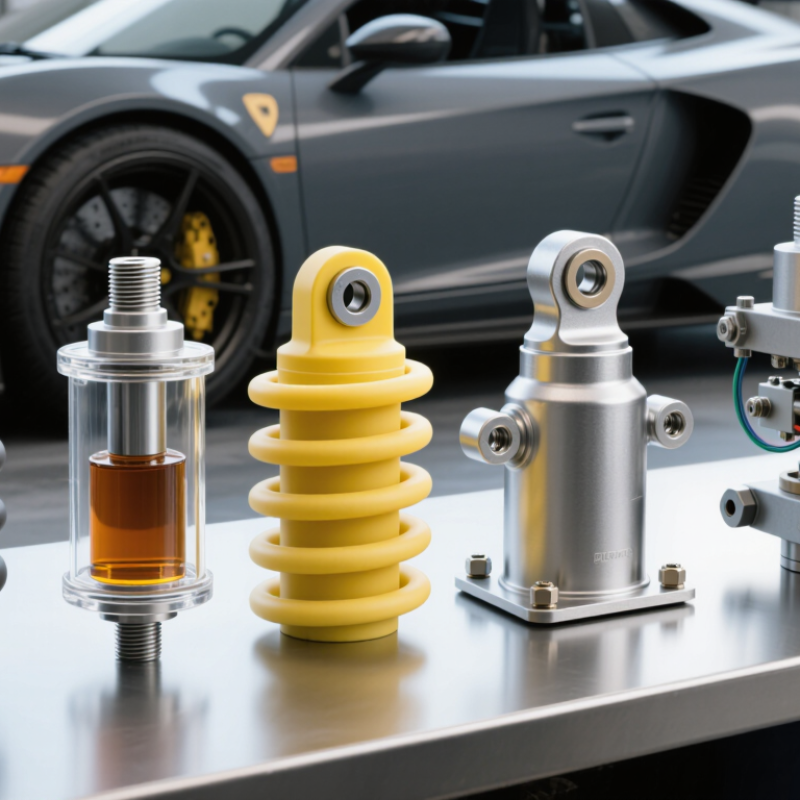
The main types include solid rubber, hydraulic, and electronically controlled mounts. Rubber mounts use their shape and stiffness to absorb vibration. Hydraulic mounts add fluid-filled chambers that damp movement across different frequencies. Active mounts can adjust their response to changing engine speeds or driving conditions. SAE J670 provides standard terminology for describing vehicle motion and dynamics, useful when engineers assess powertrain movement. The U.S. EPA’s 2024 Automotive Trends Report also tracks changes in vehicle horsepower and mass, factors that can affect mount loads. But a report-wide trend cannot predict one vehicle’s exact movement. That depends on its engine, mount layout, and condition. A small crack can matter. So can a worn mount that looks intact at a glance.
How Motor Mounts Are Classified by Design and Material
Motor mounts are classified by both construction and material. Bonded-elastomer mounts use rubber joined to metal plates, absorbing vibration through controlled flex. Hydraulic mounts add fluid-filled chambers that damp low-frequency engine movement. Active mounts use sensors or actuators to adjust vibration control; they are more complex. The categories overlap, though. “Hydraulic” describes a design, not the mount’s main material.
Material shapes the feel and service life. Natural or synthetic rubber is common because it cushions everyday engine movement. Polyurethane is stiffer and can limit drivetrain motion, but may transmit more vibration into the cabin. Steel and aluminum support the mount’s structure, while fluid chambers help hydraulic designs manage changing loads. The U.S. Department of Energy’s vehicle-lightweighting guidance estimates that reducing vehicle weight by 10% can improve fuel economy by 6–8%. That is a whole-vehicle estimate, not a motor-mount performance claim; still, it explains why engineers balance strength and mass. The right choice depends on engine torque, cabin comfort, and operating conditions—not material alone.
Tips: Check for cracked rubber, fluid leaks, or a visible engine shift during acceleration. Compare mount design and material with the vehicle’s original specifications. A firmer mount is not automatically better; it can make the cabin noticeably harsher.
Which Motor Mount Types Lead in 2026
In 2026, hydraulic and elastomeric mounts remain leading choices for everyday vehicles. Hydraulic mounts use fluid-filled chambers to soften engine vibration, especially at idle and low speeds. A mechanic may notice the difference through a quieter steering wheel and less cabin shake at a stoplight. They suit comfort-focused designs, but leaks or aging rubber can reduce their performance. Small cracks matter.
Solid rubber mounts are simpler and often more durable under heat and repeated movement. They are common where predictable support and straightforward replacement matter more than maximum isolation. Polyurethane mounts offer firmer control, making them useful in performance-oriented applications. The trade-off is noticeable: more engine movement is controlled, but more vibration may reach the cabin. There is no clean winner, and that is the awkward part.
Active mounts are also gaining attention in vehicles that need different vibration control at idle and during acceleration. Sensors and electronic control can adjust their response, though added complexity may mean higher repair costs. The right type depends on engine weight, torque, mounting points, climate, and comfort goals—not just a catalog label. For a real selection, check the vehicle’s original specification and inspect surrounding brackets. A mount that fits physically may still transmit the wrong vibration.
How to Compare Mount Types for Different Vehicles
What Are the Top Motor Mount Types in 2026?
How to Compare Mount Types for Different Vehicles
Motor mounts secure the engine and help reduce vibration. The right type depends on vehicle design, driving conditions, and comfort needs. Conventional rubber mounts suit many daily drivers because they absorb vibration without complex systems. Hydraulic mounts use fluid-filled chambers to soften engine movement, but leaks can reduce their effectiveness. Active mounts adjust their response electronically and are typically designed for specific vehicle systems.
Tips: Check the vehicle’s service information before choosing a mount. Compare the original mount’s shape, stiffness, and attachment points. A mount that fits physically may still transmit more vibration than expected.
Performance-focused drivers sometimes consider stiffer mounts, including polyurethane designs. These can limit engine movement under acceleration, but may make cabin vibration more noticeable. There is no perfect option for every vehicle. A worn mount can also imitate other problems, so inspect for cracked rubber, fluid leaks, or excessive engine movement before replacing parts. When uncertain, ask a qualified technician to compare the mount with the vehicle’s original specifications.
What Factors Shape Motor Mount Selection and Performance in 2026
What Are the Top Motor Mount Types in 2026?
What Factors Shape Motor Mount Selection and Performance in 2026
Motor-mount selection starts with real loads, not a product label. Engineers assess engine or motor weight, torque reaction, vibration frequency, available space, and temperature near the mount.
A compact rubber mount may suit steady loads. Hydraulic mounts can help control low-frequency shake, while active designs can adapt to changing vibration. More capability also means more parts to validate. The trade-off is real.
The market is shifting, too. The International Energy Agency’s Global EV Outlook 2025 reports more than 17 million electric cars sold worldwide in 2024, over one-fifth of new car sales.
OICA recorded about 92.5 million motor vehicles produced globally in 2024, underscoring the range of vehicle weights and duty cycles engineers must consider.
Test mounts under representative loads, temperatures, and road vibration; a bench result alone can miss installation effects. Small details matter. Fastener position, bracket stiffness, and aging can shift performance.
And a quiet cabin is not proof of a durable mount. IEA and OICA figures describe market trends, not mount-level test results.
Article Source:
Let's Build Together
Contact Us: Call 435-563-3503
-OR- Fill in the form below and we will call you back.