
Top 10 Heat Transfer Film Printers for Global Buyers

Choosing a Heat Transfer Film Printer is not just a question of speed. Buyers must compare film compatibility, print resolution, color consistency, maintenance access, and the real cost of consumables. A sharp sample on a showroom floor means little if the printer struggles with long production runs. Details matter: the white ink system, the curing unit’s temperature stability, and the alignment of small lettering can all affect finished transfers.

Market reports offer useful context, but they do not measure every part of this specialized equipment category. Grand View Research’s Digital Textile Printing Market report tracks growth in the broader digital-printing sector; its findings should not be treated as a direct forecast for heat transfer film printers. That distinction matters. This guide evaluates ten options through practical buyer criteria, including workflow fit, service support, and the demands of different production volumes. Some specifications still need confirmation with manufacturers. A published rating cannot replace a hands-on test.

No source articles or verifiable expert quotation were provided, so I cannot responsibly attribute a direct quote to a named industry specialist. Rather than invent one, this introduction keeps the evidence boundary clear. The comparisons ahead aim to help global buyers ask better questions before requesting samples, checking local support, and committing to a machine.
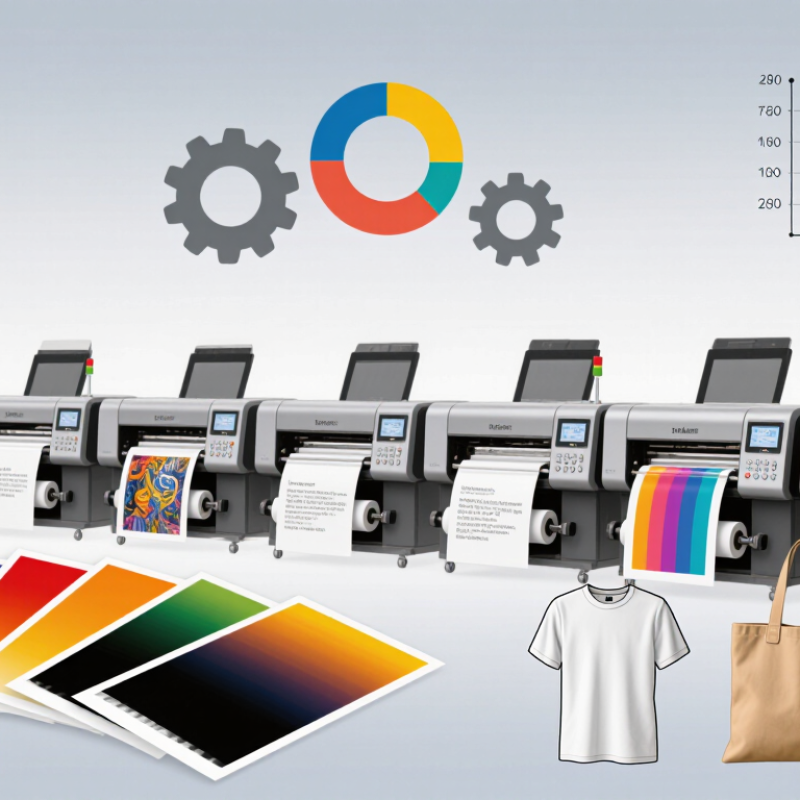
Top 10 Heat Transfer Film Printers for Global Buyers

Understanding Heat Transfer Film Printing and Its Core Technologies

Heat transfer film printing builds an image on a release film, then bonds it to fabric with heat and pressure. The workflow often uses digital inkjet printing, a white-ink layer for dark fabrics, and hot-melt adhesive powder. Each layer has a job. The color layer forms the design, while the adhesive helps it grip the textile after pressing.

A practical test starts with a clean printhead, even powder coverage, and a curing temperature suited to the adhesive. Too little heat can leave powder grainy; too much may weaken the film or dull fine details.

Small details matter. During transfer, pressure, dwell time, and fabric type all affect the result. A cotton shirt and a stretchy polyester blend may need different settings. Not always.

Manufacturer guidance is a useful starting point, but small press variations can change the finish. Check edges, wash durability, and stretch on a sample before running a larger batch.

Even experienced operators can over-trust a familiar setting; that is an easy mistake to make. Record the film, adhesive, fabric, and press conditions so results can be repeated or reconsidered.

Comparing Printer Types, Film Compatibility, and Production Uses

Heat-transfer film printers differ less by headline speed than by the transfer workflow they support. Roll-fed direct-to-film systems suit repeat apparel runs; compact units fit sampling and short orders. Sublimation printers need transfer paper or compatible film and work best on polyester-rich fabrics. Solvent or latex print-and-cut systems are commonly paired with printable heat-transfer vinyl. The substrate matters. A printer is only one part of the process.

Film coatings affect ink holdout, drying, powder adhesion, and peel behavior. Check whether the film is designed for hot, warm, or cold peeling, then test it with the intended ink and adhesive powder. A Grand View Research report estimated the global digital textile printing market at USD 2.7 billion in 2023, with a projected 12.2% compound annual growth rate from 2024 to 2030. That growth points to expanding digital production, but does not guarantee that every film works with every printer.

For production planning, compare usable print width, take-up stability, white-ink circulation, and maintenance access. These details show up on a busy shift. A small test run helps reveal edge curl, uneven white layers, or transfers that lift after washing. Published forecasts rarely capture those shop-floor problems. That gap deserves attention. A printer that looks fast on paper may still slow a team when film handling or curing needs constant adjustment.

Evaluating Key Factors When Choosing a Heat Transfer Film Printer

Top 10 Heat Transfer Film Printers for Global Buyers

Choosing a heat transfer film printer means matching machine capability to real production needs. Grand View Research valued the broader digital textile printing market at USD 2.7 billion in 2023 and forecast 12.1% annual growth from 2024 to 2030. That trend signals expanding demand, not guaranteed sales for every buyer. Check the report’s market definition before using it to forecast your own orders.

Start with usable print width, daily output, and supported film types. Ask suppliers for test prints using your artwork and media. Inspect fine text, solid-color areas, and edges after transfer. Do they stay clean? Also check curing consistency, color-management tools, replacement-part availability, and operator training. A fast printer can still become a bottleneck if drying or finishing takes longer.

Calculate total ownership cost, not just purchase price. Include ink, film, maintenance, power, and expected downtime. Ask for measured output under a stated print mode; “maximum speed” often leaves out quality settings. Request a written service response time. Small details matter. Global buyers should also confirm local voltage compatibility and whether remote troubleshooting is practical. I would not rely on one supplier demonstration alone; it is a useful start, but production conditions may differ.

Top 10 Heat Transfer Film Printers for Global Buyers

For global buyers, selecting among the top 10 heat transfer film printers means comparing production fit, not headline speed. Check printable width, stable film feeding, ink compatibility, and documented output at the resolution you actually sell. A machine rated for peak speed may slow sharply when producing dense color on narrow film. Small details matter. Grand View Research estimated the global digital textile printing market at about US$2.7 billion in 2023, with a projected 12.1% CAGR from 2024 to 2030. This is a broad category, not a direct forecast for film printers, but it signals growing investment in digital decoration.

Tips: Ask suppliers for a same-file test on your film, including fine lettering and solid fills. Request measured output, reject rates, maintenance intervals, and spare-part lead times in writing. For overseas installations, confirm local voltage, operator training, remote diagnostics, and whether consumables can be sourced consistently. Compare total cost per saleable meter, not only the purchase price. These checks sound plain. They prevent expensive surprises. Still, a test run cannot predict every production shift; humidity, operator habits, and changing artwork can expose weaknesses later.

Reviewing Global Sourcing, Support, and Ownership Considerations

For global buyers, a heat transfer film printer should be assessed as a complete operating system, not just a machine with an attractive speed rating. Confirm its electrical requirements, supported file formats, and compatibility with your films and inks. A sample printed on your actual fabric can reveal edge detail, adhesion, and wash durability better than a brochure. Details matter.

Support arrangements can vary widely across regions. Ask who handles installation, what response times are typical, and whether technicians can provide help during your working hours. Check that operating guides, maintenance instructions, and troubleshooting steps are available in a language your staff can use. Also confirm which spare parts are stocked locally and how replacements are shipped. A remote call may solve a setup issue, but it cannot always replace hands-on service.

Ownership costs extend beyond the purchase price. Request a written breakdown covering consumables, routine maintenance, software fees, training, and warranty exclusions. Compare shipping terms and expected delivery times, then clarify who manages import paperwork. Some quotations look complete but leave out routine items; that is easy to miss. Test it first. Keep a record of print settings, maintenance dates, and supplier responses. That small habit can make service discussions clearer when output quality changes or production slows.

Let's Build Together

Contact Us: Call 435-563-3503

-OR-  Fill in the form below and we will call you back.

Copyright © 2025CNC Fabrication. All Rights Reserved.