Best Green Sand Casting Suppliers in 2026?
Choosing the best Green Sand Cast suppliers in 2026 takes more than comparing unit prices. A sample casting can look sound while hiding uneven wall thickness, rough edges, or inconsistent dimensions. Ask suppliers how they control sand moisture, mold compaction, pouring temperature, and inspection records. These details affect repeatability, especially when a design moves from a small trial run to regular production. Request sample parts and documented tolerances. Then compare the results against your actual drawing and operating conditions.
Casting-metallurgy author John Campbell is often associated with the principle, “The quality of a casting is determined by the quality of the liquid metal.” That lesson applies beyond the melt: reliable results also depend on mold preparation, process discipline, and clear communication between buyer and foundry. For this guide, supplier quality means more than modern equipment. It includes relevant experience, transparent quality checks, realistic lead times, and the ability to explain trade-offs without hiding limitations. No checklist is perfect. Even a polished capability sheet cannot replace a technical conversation and a representative sample. The sections ahead compare supplier strengths, questions to ask, and practical signs of a dependable partner, helping buyers make a more informed shortlist for 2026.
Understanding Green Sand Casting and Its Industrial Uses
Best Green Sand Casting Suppliers in 2026?
Understanding Green Sand Casting and Its Industrial Uses
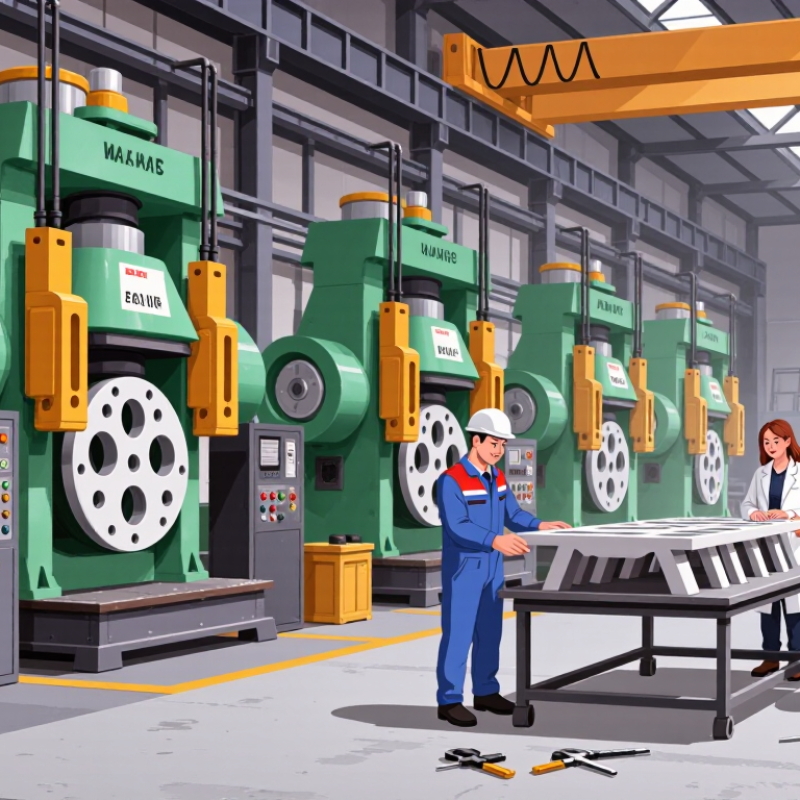
Green sand casting uses silica sand mixed with clay and water to form a reusable mold. “Green” means the mold is uncured, not that it is made from green-colored materials. The method suits high-volume production because workers can compact the damp sand around a pattern, remove the pattern, and pour molten metal into the cavity. It is widely used for iron parts such as pump housings, machine bases, and engine components. The process is practical, but mold moisture and compaction need close control. Small variations can affect surface finish and dimensions.
The Federal Highway Administration’s report Foundry Sand: Facts for Civil Engineers estimates that U.S. foundries generate about 6–10 million tons of spent foundry sand each year. That figure highlights why sand recovery and responsible reuse matter. Not every batch is suitable for every application: metal type, additives, and testing results can change its reuse options. Green sand casting remains useful for complex shapes and repeatable production, though it may need extra finishing when parts require especially smooth surfaces.
Tips: Ask suppliers how they monitor moisture, mold strength, and reclaimed-sand quality. Request sample inspection records for the part you plan to produce. A tidy process helps, but it does not guarantee a perfect casting.
How Green Sand Casting Suppliers Are Evaluated
Supplier evaluation should focus on repeatable results, not polished sales claims. The World Foundry Organization’s 2022 global casting production census reported roughly 109 million tonnes of castings worldwide. That scale makes supplier choice consequential, but total output does not prove process consistency. Ask for recent inspection records, sample parts, and clear explanations of how defects are tracked.
For green sand casting, review sand moisture, compactability, permeability, and reclaimed-sand controls. These values affect mold strength and gas escape. Request measurements linked to actual production batches, not only laboratory samples. Check dimensional results, scrap trends, and corrective-action records for recurring problems such as misruns or rough surfaces. Also confirm that the supplier can maintain your required tolerances across the expected order volume. A neat audit report can still miss a recurring shift in mold quality.
Tips: Visit the production floor if possible. Look for labeled sand samples, calibrated gauges, and batch records near the molding line. Ask operators how they respond when readings drift. Their answer may reveal more than a presentation.
Key Capabilities of Leading Suppliers in 2026
In 2026, leading green sand casting suppliers should show control beyond a polished sample. Ask for mold-sand test records, including moisture, permeability, compactability, and green compression strength. These readings help explain why a casting may develop rough surfaces, shifts, or gas defects. The World Foundry Organization’s 2022 Census reported global casting production of about 109.7 million tonnes. At that scale, repeatable process control matters more than impressive equipment lists.
Strong suppliers also connect simulation, tooling review, and inspection to production decisions. Request a sample inspection plan, dimensional results, and clear records linking each batch to its melt and mold data. The International Energy Agency’s 2023 industry tracking report estimates that industry uses about 37% of global final energy. That makes practical energy monitoring and scrap reduction useful supplier capabilities, not just marketing claims. Still, a spreadsheet can flatter. Visit the foundry, watch operators prepare sand, and ask what happens when readings drift. A capable supplier will explain its limits, corrective actions, and lead-time risks plainly.
Best Green Sand Casting Suppliers in 2026? Key Capabilities to Evaluate
A suggested 100-point evaluation framework for comparing suppliers. The weights are editorial recommendations, not measured supplier performance or survey results.
Prioritize consistent process control and quality systems, then assess engineering support, production capacity, sustainability practices, and delivery performance against your project requirements.
Comparing Supplier Quality, Capacity, and Certifications
Choosing a green sand casting supplier in 2026 calls for more than comparing quoted prices. Ask how the foundry controls sand moisture, compactability, and temperature during production. These details can affect surface finish, dimensional consistency, and the risk of defects. Request sample inspection reports and ask how rejected castings are recorded. Ask for the records. A clear explanation matters more than a polished sales presentation.
Capacity should match your actual part sizes, annual volume, and delivery pattern. Check available molding lines, furnace capacity, shift coverage, and space for finished inventory. A supplier may handle a large monthly volume but struggle with frequent changes in order size. Discuss a realistic production schedule and how delays are communicated. Then compare the proposed lead time with recent delivery performance, not just a best-case estimate.
Certifications can support confidence, but verify their current status and whether their scope covers the relevant facility and process. Look for calibration logs, material traceability, and documented corrective actions. These records show how problems are handled, not merely whether an audit was passed. A plant visit can reveal practical details, such as labeled sand samples or organized inspection stations. Still, a neat tour is only a snapshot; ask how controls hold up during a busy production week.
How to Select the Right Green Sand Casting Partner
Choosing a green sand casting partner means checking process control, not just quoted price. The 2023 Modern Casting World Census reported 109.7 million metric tonnes of castings produced globally in 2022. That scale makes supplier capability worth verifying. Ask for recent results on scrap rates, dimensional variation, and delivery performance. Request a sample inspection report for a part similar to yours. Check how the foundry controls sand moisture, permeability, and temperature; small swings can change surface finish and defect risk. A polished tour is useful, but production records matter more.
The American Foundry Society’s 2024 industry outlook also highlights ongoing workforce and cost pressures across metalcasting. Ask who monitors the line when an experienced operator is absent. Confirm the supplier can trace heats, molds, and inspection results to each batch. Review its equipment capacity against your expected monthly volume, including seasonal peaks. A low initial quote may hide tooling, machining, or freight costs. I would still leave room for judgment: a spreadsheet cannot show how quickly a team responds when a trial casting fails.
Tips: Send a drawing, alloy specification, annual volume, and critical tolerances before requesting bids. Compare like with like. Ask for a first-article casting and agree on acceptance criteria before production. References: Modern Casting, 2023 World Census; American Foundry Society, 2024 industry outlook.
Best Green Sand Casting Suppliers in 2026? - How to Select the Right Green Sand Casting Partner
| Evaluation Dimension | What to Assess | Evidence to Request | A Strong-Fit Indicator |
|---|---|---|---|
| Alloy and casting experience | Experience with the specified ferrous or non-ferrous alloy, part geometry, and application requirements. | Relevant process examples, material specifications, and sample inspection records. | The supplier can explain alloy-specific process controls and identify comparable work without relying on unrelated examples. |
| Part size and production fit | Whether the foundry’s molding equipment, handling capacity, and production plan suit the part’s dimensions, weight, and order volume. | Documented equipment capacity, proposed manufacturing route, and a review of the part drawing and annual demand. | Capacity is confirmed against the actual part and forecast, rather than described only in general terms. |
| Sand-system control | How the supplier monitors and adjusts green sand properties, including moisture, compactability, and permeability where relevant to its process. | Process-control plan, testing frequency, equipment records, and examples of corrective-action documentation. | Controls are documented, monitored, and linked to actions when results fall outside defined operating limits. |
| Quality management | Inspection planning, traceability, nonconformance handling, and the quality-system requirements applicable to the project. | Current certificates within their stated scope, inspection plans, sample reports, and corrective-action process. | The supplier provides verifiable documentation and can show how inspection results are tied to the order and production lot. |
| Dimensional and defect inspection | Inspection methods appropriate to drawing tolerances and the risks of the part, including dimensional checks and any specified non-destructive testing. | Measurement reports, equipment calibration records, and agreed acceptance criteria for visual and internal defects. | Inspection scope and acceptance criteria are agreed before production and match the drawing and end-use requirements. |
| Tooling and engineering support | Ability to review draft, parting lines, gating, risers, machining allowances, and tooling ownership or maintenance terms. | Design-for-manufacturing feedback, tooling proposal, revision-control method, and written tooling terms. | Engineering feedback is specific to the part and documented before tooling or production commitments are made. |
| Machining and finishing options | Whether required machining, heat treatment, surface preparation, or finishing is performed in-house or through controlled partners. | Process route, subcontractor controls where applicable, and inspection responsibility at each stage. | Responsibilities, specifications, and final acceptance checks are clear across the complete supply chain. |
| Lead time and delivery reliability | Quoted timing for tooling, samples, approval, and recurring production, along with how schedule changes are managed. | A project schedule, capacity assumptions, order-update process, and delivery-performance records where available. | The quotation states realistic milestones and identifies dependencies, risks, and communication points. |
| Total cost and quotation clarity | How tooling, casting, machining, testing, packaging, freight, and potential engineering changes affect total cost. | An itemized quotation with assumptions, exclusions, minimum order conditions, and pricing validity. | Costs and commercial assumptions are transparent enough to compare equivalent scope across suppliers. |
| Environmental and safety practices | Relevant controls for sand reuse, waste handling, emissions, worker safety, and applicable local regulations. | Environmental and safety procedures, permit information where applicable, and certification details if claimed. | Claims are supported by current documentation and apply to the site and activities involved in the order. |
| Communication and risk management | Responsiveness, escalation routes, change control, and readiness to address technical or supply interruptions. | Named project contacts, communication cadence, change-request workflow, and continuity planning. | Questions receive clear, technically relevant answers and issues have defined owners and escalation steps. |
Selection note: There is no universal “best” supplier for every green sand casting project. Compare suppliers using the same drawing, alloy specification, inspection requirements, annual volume, and delivery assumptions; verify all claims directly before placing an order.
Article Source:
Let's Build Together
Contact Us: Call 435-563-3503
-OR- Fill in the form below and we will call you back.