China Top Metal Parts Manufacturers for Global Buyers?
Choosing China’s top Metal Parts manufacturers requires more than comparing prices on a supplier directory. Global buyers need evidence of capability, consistency, and responsible production. A reliable factory should explain its machining, stamping, casting, forging, or sheet metal processes clearly. It should also provide material certificates, inspection reports, sample approvals, and traceable production records.
Quality must serve the final application. Dr. Joseph M. Juran, a respected authority in manufacturing quality, stated, “Quality is fitness for use.” That principle remains practical on the factory floor. A stainless-steel bracket may look simple, yet its surface finish, hole position, and corrosion resistance can affect an entire assembly. Small errors become expensive quickly.
Experience matters.
Leading Chinese manufacturers often combine modern CNC equipment with skilled technicians and disciplined inspection systems. Buyers should review equipment lists, tolerance capabilities, testing methods, and previous export experience. Factory audits can reveal details that polished websites hide, including maintenance habits, storage conditions, and operator training. Certifications help, but they do not replace independent verification.
This guide examines manufacturers through a balanced lens. It considers engineering support, production flexibility, quality control, communication, lead times, and total purchasing risk. The lowest quotation is rarely the complete answer. Sometimes, it is only the beginning of a costly lesson. Supplier rankings can also change as equipment, management, and customer requirements change. Therefore, buyers should treat this overview as a practical starting point, not a permanent verdict. The strongest partnership is built through samples, measurable specifications, honest communication, and repeated performance.
What Defines a Top Metal Parts Manufacturer in China
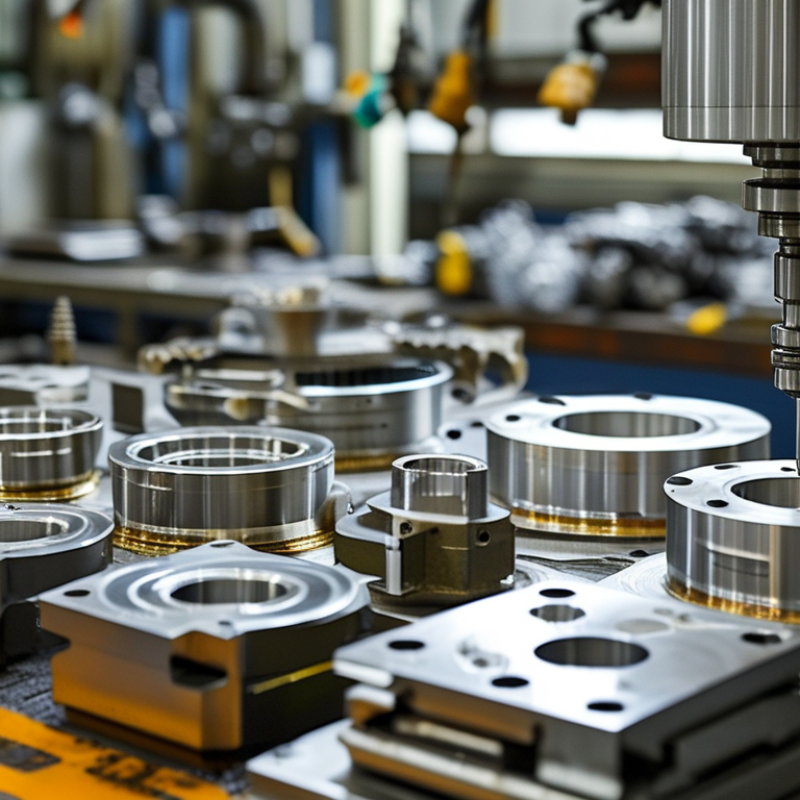
A top metal parts manufacturer in China is more than a low-cost supplier. It must turn drawings into stable, repeatable production. Experienced teams ask about tolerances, surface finish, load conditions, and assembly risks before quoting. That conversation matters. During a factory audit, buyers should inspect CNC machines, stamping presses, welding areas, and inspection benches. Look for calibrated micrometers, height gauges, and documented measurement records. Clean workspaces help, but process discipline matters more.
Technical capability should match the part, not just the sales presentation. A reliable supplier can explain material grades, heat treatment, deburring, coating options, and likely failure points. It should provide samples, dimensional reports, material certificates, and a clear corrective-action process. Traceability is essential. Each batch should connect to raw material records, operators, machines, and inspection results. Production planning also deserves attention. Can the factory protect delivery dates when one machine stops? Honest answers reveal more than polished promises.
Strong communication supports global projects. Engineers should understand drawings, revision control, packaging requirements, and realistic shipping schedules. Written approvals prevent small changes from becoming expensive defects. No factory is perfect. A supplier that admits a tooling weakness may be safer than one claiming flawless performance. Buyers should test this through a pilot order and review actual results. Check hole positions, thread quality, burrs, coating thickness, and carton protection. Repeated performance builds trust, but trust still needs evidence.
China Top Metal Parts Manufacturers for Global Buyers? - What Defines a Top Metal Parts Manufacturer in China
| Evaluation Dimension | Practical Benchmark for a Top Manufacturer | What Global Buyers Should Verify | Relevant Standard or Documentation | Why It Matters |
|---|---|---|---|---|
| Manufacturing Process Range | A coordinated offering covering at least two core processes, such as CNC machining, sheet-metal fabrication, stamping, die casting, forging, or metal injection molding. | Process capability matrix, equipment list, sample parts, and confirmation of which operations are performed in-house versus outsourced. | Process flow chart; equipment maintenance records; supplier-control procedure. | A broader process range can reduce supplier coordination, tooling transfers, and quality variation. |
| Dimensional Capability | Routine production tolerances commonly aligned with drawing requirements such as ISO 2768-m for general dimensions, with tighter tolerances quoted separately. | Inspection reports using calibrated CMMs, micrometers, gauges, or optical measurement equipment; review capability for critical-to-function features. | ISO 2768; customer drawings; calibration certificates traceable to recognized standards. | Consistent dimensions are essential for assembly fit, interchangeability, and production-line efficiency. |
| Material Control | Documented control of common metals including aluminum alloys, carbon steel, stainless steel, copper alloys, and engineering steels. | Material certificates, heat or batch traceability, incoming inspection records, and verification of alloy grade against the purchase order. | EN 10204 material certificates; ASTM, EN, GB, or equivalent material specifications. | Correct material selection affects strength, corrosion resistance, weldability, machinability, and service life. |
| Quality Management System | A documented quality system with defined inspection stages, nonconformance handling, corrective actions, and production records. | Current certificate scope, internal audit records, inspection plans, corrective-action examples, and clear responsibility for quality approval. | ISO 9001 certificate issued by an accredited certification body. | A formal system makes quality more repeatable than relying solely on final inspection. |
| Inspection and Testing | First-article inspection, in-process checks, final inspection, and specialized testing when required by the part specification. | Sample inspection report, control plan, sampling method, gauge list, and test laboratory qualifications where applicable. | ISO 2859-1 for sampling; customer-specific inspection plans; calibrated equipment records. | Verification at multiple stages helps identify process drift before large quantities are completed. |
| Surface Finishing | Access to finishes such as anodizing, powder coating, electroplating, passivation, polishing, brushing, and black oxide, subject to material compatibility. | Finish samples, coating thickness or adhesion results, color reference method, salt-spray requirements, and control of finishing subcontractors. | ASTM B117 where salt-spray testing is specified; ISO 9227; applicable coating specifications. | Surface treatment influences appearance, wear resistance, corrosion protection, and customer acceptance. |
| Tooling and Engineering Support | Ability to review drawings, identify manufacturability risks, recommend tolerances, and manage molds, dies, fixtures, or cutting tools. | Design-for-manufacturing feedback, revision control, tooling ownership terms, maintenance plan, and tool-life expectations. | Approved drawings; engineering-change records; tooling acceptance criteria. | Early engineering input can reduce scrap, unnecessary cost, and late-stage design changes. |
| Prototype-to-Mass-Production Transfer | A defined process for moving from prototypes to repeat production, including process validation, fixture confirmation, and production approval. | Pilot-run records, first-article approval, capacity plan, cycle-time data, and documented lessons from previous transfers. | FAI or PPAP-style documentation when requested; approved production control plan. | A controlled transfer reduces the risk that production parts differ from approved samples. |
| Capacity and Delivery Reliability | Capacity planning based on machine hours, staffing, tooling availability, material lead time, and realistic production schedules rather than optimistic promises. | Production schedule, bottleneck analysis, on-time-delivery history, backup equipment, and escalation process for delays. | Confirmed purchase-order schedule; production-planning records; delivery performance reports. | Reliable delivery supports inventory planning and prevents costly production interruptions. |
| Export and Packaging Readiness | Experience preparing export documents, protective packaging, labeling, carton markings, and shipment records according to buyer requirements. | Packaging specification, export invoice and packing-list process, country-of-origin information, and damage-prevention testing or validation. | Incoterms® 2020; buyer packaging instructions; applicable customs documentation. | Correct documentation and packaging reduce customs delays, transit damage, and receiving problems. |
| Traceability and Change Control | Traceable links between material batches, work orders, inspection results, operators, revisions, and shipped lots. | Lot-number system, document revision history, engineering-change approval, and retention period for production records. | Quality procedures; batch records; revision-controlled drawings and purchase orders. | Traceability enables faster root-cause analysis, targeted containment, and controlled product changes. |
| Compliance and Responsible Sourcing | Ability to address material restrictions, conflict-minerals inquiries, environmental requirements, and customer-specific compliance obligations. | Supplier declarations, restricted-substance statements, compliance questionnaire responses, and relevant audit evidence. | REACH and RoHS requirements where applicable; customer code of conduct; material declarations. | Compliance evidence helps protect market access and reduces regulatory and reputational risk. |
| Communication and Commercial Transparency | Clear quotation assumptions, response to technical questions, transparent tooling and finishing costs, and documented handling of changes. | Detailed quotation, payment terms, warranty provisions, nonconformance process, communication schedule, and named project responsibilities. | Quotation revision history; purchase-order terms; quality agreement; warranty policy. | Transparent communication improves cost control and prevents misunderstandings during international projects. |
Note: The benchmarks above are general purchasing criteria and should be confirmed against the specific part drawing, material specification, order volume, applicable regulations, and agreed quality plan.
Let's Build Together

Contact Us: Call 435-563-3503
-OR- Fill in the form below and we will call you back.