China Top Machining Parts Manufacturers for Global Buyers

China has become a major sourcing base for precision machining parts, supporting industries from robotics to medical equipment. Global buyers, however, need more than attractive quotations. They need repeatable quality, clear communication, and evidence that a supplier can control production.

This guide examines China’s top machining parts manufacturers through practical buyer criteria. These include CNC capabilities, material knowledge, tolerance control, surface finishing, inspection systems, and export experience. A capable factory should explain its process clearly. It should also provide drawings, inspection reports, material certificates, and realistic delivery schedules. A sample component might require 0.01 mm tolerance, anodized aluminum, and final dimensional checks before shipment. Small details matter.

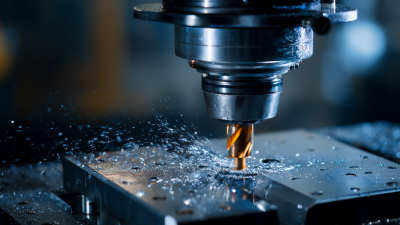
Dr. Tony Schmitz, a recognized machining dynamics researcher, describes chatter as “a self-excited vibration of the machine tool structure.” His observation shows why technical expertise matters. Poor cutting parameters can leave visible marks, shorten tool life, and create inconsistent machining parts. The best manufacturers adjust feeds, speeds, fixtures, and tooling based on actual production results.

Supplier selection is rarely perfect. A large factory may offer advanced equipment but slower communication. A smaller workshop may respond faster but lack complete documentation. That is an uncomfortable truth. Buyers should compare evidence, not promises. Factory audits, trial orders, video inspections, and long-term quality records can reveal weaknesses early. This overview aims to help international purchasers make informed decisions, reduce sourcing risks, and find reliable Chinese partners for demanding machining parts projects. Mistakes still happen. Good manufacturers show how they detect and correct them.
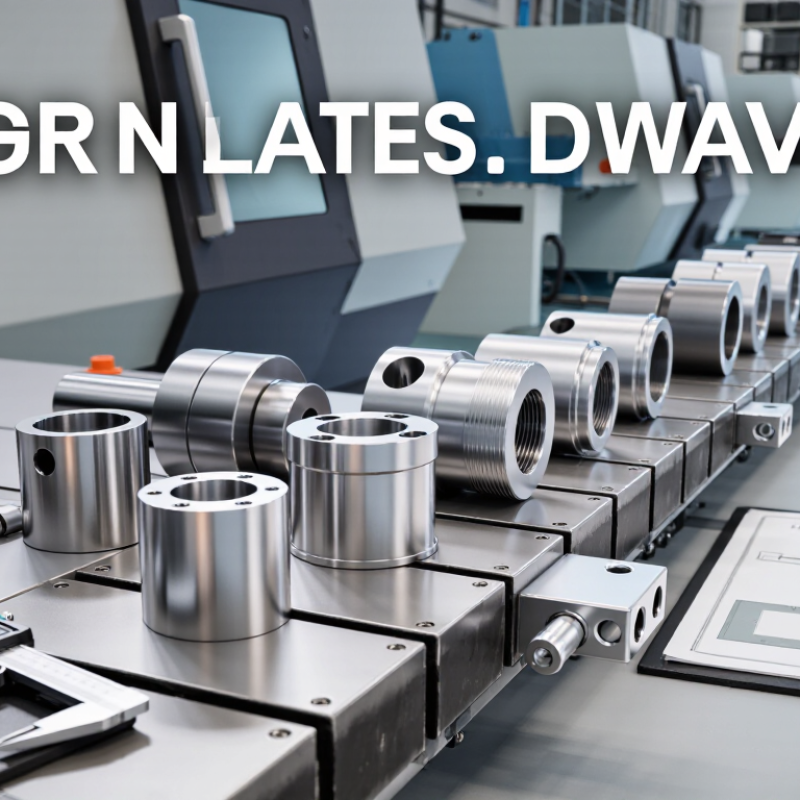
China Top Machining Parts Manufacturers for Global Buyers

What Defines a Top Machining Parts Manufacturer in China

What Defines a Top Machining Parts Manufacturer in China

A top machining parts manufacturer offers more than competitive pricing. China represented about 31.6% of global manufacturing value added in 2023, according to UNIDO’s International Yearbook of Industrial Statistics 2024. Scale matters, but scale alone proves little. A reliable supplier should show process capability, equipment records, and inspection evidence for each critical dimension. Buyers should expect calibrated CMM reports, material certificates, tool-life controls, and traceable batch numbers. The best factories can explain how a 0.02 mm tolerance survives production, not merely display a polished sample.

Quality systems must also support repeatability. The ISO Survey 2023 recorded more than 1.26 million ISO 9001 certificates worldwide. Certification helps, but it is not a substitute for technical judgment. Ask for capability studies, nonconformance records, and corrective-action examples. Short answers can reveal weak control. Clear answers build confidence.

Delivery performance separates capable manufacturers from merely busy workshops. A professional supplier confirms drawing revisions, packaging details, and realistic lead times before cutting metal. It also reports risks early. That takes experience. Still, no factory is flawless. Even a strong supplier may underestimate setup time or depend too heavily on one skilled operator. Buyers should examine backup plans, maintenance logs, and communication habits. A top manufacturer is not the one promising perfection. It is the one providing measurable evidence, admitting uncertainty, and improving after a problem appears.

What Defines a Top Machining Parts Manufacturer in China?

This procurement benchmark measures the capabilities global buyers typically prioritize when comparing machining parts manufacturers. Quality systems, dimensional consistency, engineering support, material traceability, delivery reliability, and export readiness are key indicators of a dependable long-term manufacturing partner.

Key Machining Processes, Materials, and Part Types

China Top Machining Parts Manufacturers for Global Buyers

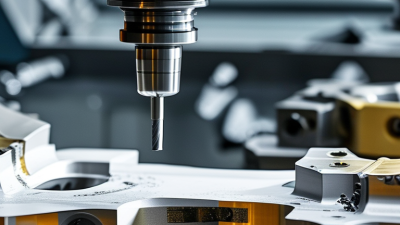
Experienced Chinese machining manufacturers usually support several processes under one production plan. CNC milling creates precise pockets, slots, and complex faces. CNC turning suits shafts, pins, bushings, and threaded components. Grinding improves tight fits and surface quality. Wire EDM handles narrow slots and hardened materials. Sheet metal work may support assemblies, but it should not replace machining when close tolerances matter.

Material selection depends on load, temperature, corrosion, and finishing requirements. Aluminum is lightweight and easy to machine. Stainless steel offers strength and corrosion resistance. Carbon steel suits durable shafts and structural parts. Brass works well for fittings and electrical components. Titanium provides high strength with low weight, although machining costs can rise quickly. Engineering plastics help reduce noise and friction. Material certificates are important for critical applications.

Common part types include housings, brackets, manifolds, gears, rollers, and custom connectors. Reliable production begins with clear drawings, realistic tolerances, and agreed inspection points. Manufacturers may use calipers, micrometers, gauges, and coordinate measuring machines. Surface roughness should be checked, not guessed from appearance. I have seen projects fail because a perfect-looking sample used the wrong alloy. Small details matter. Prototype inspection can reveal tool marks, distortion, or poor thread fit before volume production. A minor tolerance may also be unnecessarily strict, increasing cost without improving performance.

China Top Machining Parts Manufacturers for Global Buyers - Key Machining Processes, Materials, and Part Types

Machining Process How It Works Common Materials Typical Part Types Typical Accuracy Typical Surface Finish Common Buyer Applications
CNC Milling Rotating cutting tools remove material from a fixed workpiece along three or more axes. Aluminum Steel Stainless steel Brass Engineering plastics Housings, brackets, manifolds, plates, fixtures, prototypes, and complex prismatic components. Commonly ±0.05 mm; approximately ±0.01–0.02 mm is achievable for selected features with suitable equipment and inspection. About Ra 1.6–3.2 µm after standard milling; finer finishes may require additional operations. Automation, robotics, industrial equipment, electronics, medical devices, and aerospace components.
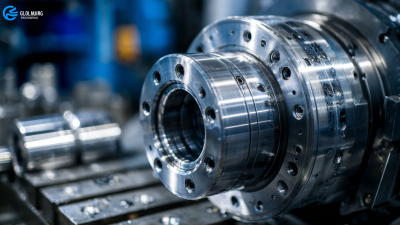
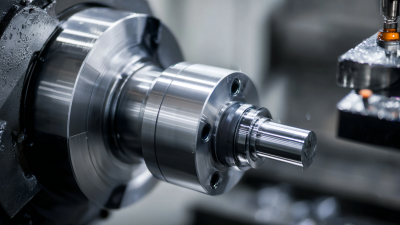
CNC Turning A workpiece rotates while a stationary cutting tool produces cylindrical or conical features. Carbon steel Stainless steel Aluminum Brass Titanium Shafts, pins, bushings, threaded parts, collars, spacers, fittings, and turned inserts. Commonly ±0.05 mm; tighter dimensional control is possible for selected diameters and short production runs. About Ra 0.8–3.2 µm depending on tooling, feed rate, material, and finishing passes. Pumps, valves, motors, power transmission, fluid systems, and mechanical assemblies.
CNC Swiss Turning Small-diameter stock is supported close to the cutting tool, allowing accurate machining of long, slender parts. Stainless steel Titanium Brass Aluminum PEEK Micro shafts, medical pins, connectors, miniature fittings, sleeves, and electronic contact components. Often approximately ±0.01–0.03 mm on controlled features, subject to geometry and material. Typically Ra 0.4–1.6 µm on suitable turned surfaces. Medical instruments, electronics, sensors, watches, and precision instrumentation.
5-Axis Machining The cutting tool and/or workpiece moves across five coordinated axes to reach multiple faces in one setup. Aluminum Titanium Inconel Tool steel Composites Impellers, turbine parts, contoured molds, aerospace brackets, medical implants, and complex housings. Commonly ±0.02–0.05 mm on suitable features; actual results depend strongly on size and geometry. About Ra 0.8–3.2 µm before any polishing or specialty finishing. Aerospace, energy, automotive development, medical equipment, and high-performance machinery.
Wire EDM An electrically charged wire cuts electrically conductive materials through controlled spark erosion. Hardened steel Tool steel Carbide Titanium Copper alloys Precision profiles, punches, dies, slots, thin sections, gears, and intricate internal contours. Approximately ±0.005–0.02 mm is common for carefully controlled work. Fine cuts can reach approximately Ra 0.2–0.8 µm, depending on the number of finishing passes. Tooling, molds, aerospace, medical components, and precision production equipment.
Sinker EDM A shaped electrode creates a cavity in a conductive workpiece using electrical discharges. Hardened tool steel Mold steel Carbide Copper alloys Mold cavities, ribs, deep pockets, sharp internal corners, and complex forming features. Often approximately ±0.01–0.03 mm, depending on cavity depth, electrode design, and inspection method. Approximately Ra 0.4–3.2 µm depending on roughing and finishing settings. Injection molds, die casting tools, stamping dies, and high-wear tooling.
Grinding An abrasive wheel removes small amounts of material to improve dimensional accuracy and surface quality. Hardened steel Stainless steel Ceramics Carbide Precision shafts, guide rails, bearing seats, punches, dies, and flat reference surfaces. Approximately ±0.002–0.01 mm is typical for suitable precision features. Commonly Ra 0.2–0.8 µm; superfinishing can produce lower roughness values. Bearings, machine tools, automotive systems, molds, and precision assemblies.
Laser Cutting A focused laser beam melts, burns, or vaporizes sheet or plate material along programmed contours. Carbon steel Stainless steel Aluminum Copper Flat brackets, panels, covers, electrical enclosures, washers, and sheet-metal blanks. Typically approximately ±0.10–0.30 mm, varying with material thickness and thermal distortion. Cut-edge quality depends on material, thickness, gas, power, and speed; secondary deburring may be required. Enclosures, HVAC equipment, machinery frames, electrical products, and fabricated assemblies.
Sheet-Metal Bending A press brake applies force to form flat sheet into angles, channels, boxes, or other profiles. Mild steel Stainless steel Aluminum Galvanized steel Frames, cabinets, trays, mounting brackets, guards, panels, and structural covers. Commonly approximately ±0.2–0.5 mm for general fabrication, depending on part size and bend geometry. Surface condition generally follows the sheet material; protective films can reduce cosmetic damage. Industrial cabinets, telecommunications equipment, automation systems, and machine structures.
Plastic CNC Machining Cutting tools machine solid plastic stock into functional parts without injection molds. ABS Nylon POM PEEK PTFE Insulators, rollers, gears, covers, prototypes, bushings, and low-volume functional components. Commonly ±0.05–0.15 mm; thermal expansion and material flexibility must be considered. Typically Ra 1.6–6.3 µm, depending on plastic type and machining strategy. Laboratory equipment, electronics, medical devices, food-processing machinery, and prototypes.
Surface Finishing Post-machining treatments improve corrosion resistance, wear resistance, appearance, or dimensional performance. Aluminum Steel Stainless steel Brass Titanium Anodized housings, plated fasteners, passivated medical parts, powder-coated panels, and polished components. Dimensional impact depends on the treatment; coating thickness should be included in the drawing allowance. Options include anodized, electroless nickel, zinc-plated, passivated, powder-coated, brushed, and polished finishes. Consumer products, industrial equipment, automotive parts, medical components, and outdoor machinery.
Buyer note: Actual capability depends on part geometry, material condition, machine size, tooling, batch volume, inspection equipment, and drawing requirements. Tolerances and surface-finish values shown above are typical planning ranges rather than universal guarantees.

Quality Control Systems, Certifications, and Production Capacity

China’s leading machining parts manufacturers often compete through measurable quality systems, not attractive promises. Experienced buyers should inspect incoming material records, machine calibration logs, and final inspection reports. A controlled process begins with verified drawings, approved materials, and documented work instructions. It continues through machining, deburring, cleaning, and packaging.

Many capable factories operate under ISO 9001 quality management systems. Some also hold environmental or occupational safety certifications, depending on their markets. Certification supports accountability, but it does not replace an audit. Ask for recent corrective action reports. They reveal how a supplier handles defects, missed dimensions, and repeated process failures. No system is flawless. That matters.

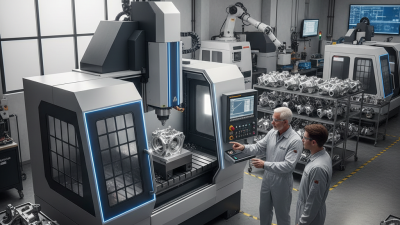
Production capacity should be judged beyond machine numbers. Review the available CNC mills, turning centers, inspection equipment, and skilled operators. A coordinate measuring machine can verify tight tolerances, while in-process gauges help prevent large batch losses. Request sample production data, realistic lead times, and monthly capacity by material. A supplier may accept a large order, yet struggle with stable delivery. That risk deserves attention.

Reliable manufacturers provide lot traceability from raw stock to shipment. They can explain who approved each inspection stage and where records are stored. First article inspection, statistical sampling, and final dimensional checks should match the part’s risk. Buyers should also examine packaging methods for machined surfaces, threads, and fragile edges. Small details often expose the real production culture. However, every claim needs evidence, and every capacity figure should be tested against actual performance.

Pricing, Lead Times, Minimum Orders, and Export Services

China’s machining parts sector offers competitive pricing, but the lowest quote is rarely the safest choice. Material grade, tolerance, surface finish, inspection, packaging, and shipping terms can change the final cost. The 2024 World Bank Commodity Markets Outlook notes continued volatility in industrial input prices. Buyers should request a cost breakdown, not only a unit price. A neat spreadsheet can still be wrong.

Lead times usually range from 10 to 30 working days for repeatable CNC parts. Complex five-axis work, special alloys, or custom tooling may require more time. The supplier should separate programming, production, inspection, and export preparation. The World Bank Logistics Performance Index 2023 surveyed 4,090 logistics professionals across 139 economies. Its findings connect reliable customs handling and shipment tracking with stronger delivery performance. Ask for milestone dates and evidence of previous export procedures. Promises alone are weak.

Minimum orders vary widely. Prototype suppliers may accept one to ten pieces, while production pricing often improves after 100 or 1,000 units. Buyers should compare total landed cost, including tooling, inspection reports, packing, freight, and duties. Export services may include commercial invoices, packing lists, certificates of origin, and neutral packaging. Requirements differ by destination. I have seen buyers overlook document accuracy and lose several days at customs. That mistake is avoidable, but not always. Allow a small schedule buffer, especially during peak shipping periods, and confirm responsibilities in writing before production starts.

How Global Buyers Can Evaluate and Select Suppliers

China Top Machining Parts Manufacturers for Global Buyers

How Global Buyers Can Evaluate and Select Suppliers

Selecting a machining supplier requires more than comparing hourly prices. Review the supplier’s experience with similar materials, tolerances, surface finishes, and production volumes. Ask for recent inspection reports, sample parts, and clear process records. Evidence matters more than confident sales language.

Check whether the factory uses calibrated measuring equipment, including CMMs, micrometers, and surface roughness testers. Request calibration dates and sample measurement data. Study the supplier’s response to drawing changes, rejected parts, and urgent orders. Reliable communication often reveals more than a polished facility tour. Ask for evidence, not promises.

A small trial order can test quality before larger production begins. Compare dimensions, packaging, labeling, delivery timing, and document accuracy. Confirm material certificates and traceability for every batch. Also examine capacity honestly; impressive machinery means little if skilled operators are unavailable. No supplier is perfect. A rushed audit can miss hidden risks, and buyers may overlook unclear acceptance criteria. Define tolerances, inspection methods, payment terms, and corrective actions in writing. Keep communication records and review performance after each shipment. Small details matter.

Let's Build Together

Contact Us: Call 435-563-3503

-OR-  Fill in the form below and we will call you back.

Copyright © 2025CNC Fabrication. All Rights Reserved.