Top 10 Benefits of Lyocell Fiber Fill for Global Buyers?
As global buyers seek sustainable alternatives, lyocell fiber fill emerges as a key player in the textile industry. This innovative material is derived from wood pulp, primarily sourced from sustainably managed forests. Its unique properties make it an appealing choice for various applications, from bedding to clothing.
The benefits of lyocell fiber fill are numerous and compelling. It offers excellent moisture-wicking abilities, ensuring comfort in diverse climates. The fiber is biodegradable, making it an environmentally friendly option. Additionally, it boasts a soft texture that rivals traditional fillers, enhancing the overall user experience.
However, the market for lyocell fiber fill is still evolving. Some buyers may have concerns about its availability or price compared to synthetic materials. Understanding these factors is crucial for making informed purchasing decisions. By exploring the top benefits of lyocell fiber fill, buyers can appreciate its potential impact on both sustainability and comfort.
Understanding Lyocell Fiber: An Overview of Its Properties
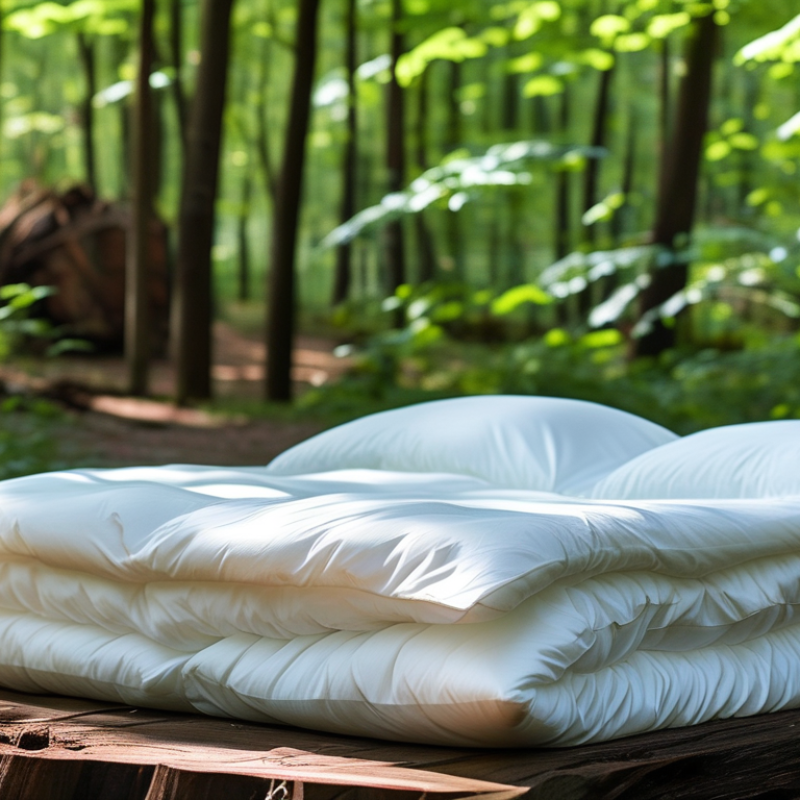
Lyocell fiber, derived from renewable wood sources, offers remarkable properties that make it a valuable material. Its soft texture feels gentle against the skin, providing ultimate comfort. Unlike some synthetic fibers, lyocell is highly breathable. This ensures better moisture management, allowing for a fresh feeling even in warmer conditions. The biodegradable nature of lyocell is a crucial advantage. As consumers increasingly seek eco-friendly options, lyocell meets this demand effectively.
Another important characteristic is its durability. Lyocell fibers are strong, yet lightweight. This balance makes them suitable for a range of applications, from bedding to apparel. However, the production process may raise questions regarding resource usage. Sustainable practices are essential to ensure that the benefits outweigh the environmental impact. While lyocell is often regarded as a green alternative, ongoing discussions around its sourcing and processing methods highlight the importance of due diligence. By focusing on these considerations, buyers can make informed choices that align with both comfort and sustainability goals.
Top 10 Benefits of Lyocell Fiber Fill for Global Buyers
| Benefit | Description | Environmental Impact |
|---|---|---|
| Sustainable Production | Lyocell fiber is produced from sustainably sourced wood pulp, primarily from eucalyptus trees. | Low environmental footprint due to responsible forestry practices. |
| Biodegradability | Natural fibers that decompose more efficiently than synthetic materials. | Reduces landfill waste significantly. |
| Moisture Management | Excellent moisture absorption, keeping users dry and comfortable. | Helps promote healthier indoor environments by regulating humidity. |
| Softness and Comfort | Lyocell offers a silky smooth texture, enhancing comfort in apparel and bedding. | No harmful chemicals are used in the fiber processing, ensuring safety. |
| Durability | Strong and resilient, lyocell maintains its quality after multiple washes. | Long-lasting fibers contribute to reduced resource use over time. |
| Versatile Applications | Suitable for a variety of products including clothing, linens, and insulation. | Promotes circular economy through diverse usage. |
| Hypoallergenic Properties | Ideal for sensitive skin as it does not irritate or cause allergies. | Encourages health and well-being. |
| Color Retention | Maintains dye vibrant and true over time. | Reduces the need for chemical dyes. |
| Thermal Regulation | Regulates temperature, making it suitable for all seasons. | Contributes to energy efficiency in living spaces. |
| Easy Care | Machine washable and quick drying, simplifying care routines. | Encourages more sustainable laundry practices. |
Sustainability and Environmental Benefits of Lyocell Fiber
Lyocell fiber has gained attention for its sustainability and environmental benefits, making it an excellent choice for conscious buyers. Derived from sustainably sourced wood pulp, Lyocell is fully biodegradable. It breaks down naturally in various environments, unlike synthetic fibers that linger for decades. This makes it an appealing option for eco-friendly products.
Moreover, the production of Lyocell uses a closed-loop process. This means that water and solvents are recycled during production, minimizing waste. It's a step towards reducing textile pollution. It’s crucial to remember, however, that not all Lyocell is created equal. Verifying certifications can ensure you're choosing responsibly made products.
Tips: When selecting Lyocell products, check for sustainability certifications. This can guide you toward more eco-friendly options. Also, consider how the product will be disposed of at its end of life. Simple choices can make a significant impact over time. Embracing Lyocell means prioritizing both comfort and the environment.
Comfort and Breathability: The Advantages of Lyocell Fiber in Textiles
Lyocell fiber has gained attention for its remarkable comfort and breathability. This sustainable textile offers a soft touch that enhances sleep quality. The fibers, made from wood pulp, maintain a natural moisture-wicking ability. This means they absorb moisture effectively, keeping the user dry and comfortable throughout the night.
Another benefit of Lyocell is its breathability. The fabric allows air to circulate freely, reducing heat buildup. This quality is especially important in varying climates. Users often report a more restful night's sleep due to the temperature regulation provided by Lyocell. The fabric's natural structure allows for a cooler feel, even in warm conditions.
However, it’s essential to recognize that not all Lyocell products are created equal. The manufacturing process can vary, affecting durability. While Lyocell is often praised for its eco-friendly qualities, some buyers may find inconsistencies in performance. A deeper understanding of each product's specific features is necessary. Consumers should consider their individual needs and preferences when choosing textiles.
Durability and Care: Long-lasting Quality of Lyocell Fiber Products
Lyocell fiber products are gaining popularity for their durability. These products resist wear and tear, ensuring they last longer. Compared to traditional fibers, lyocell stands out with its strength and quality. It withstands frequent washing without losing shape or integrity, making it ideal for everyday use. The fiber retains softness, giving comfort over time.
Caring for lyocell fibers is simple. They can be machine washed, which adds convenience. However, avoiding harsh detergents is essential for maintaining their properties. While lyocell is resilient, it's crucial to handle it with care to prevent potential damage. Some users may overlook this, leading to a decline in quality over time. Additionally, storing lyocell products in a dry place helps maintain their form.
Users appreciate the breathability of lyocell, especially in warmer climates. This feature enhances comfort, but it can be less insulating in colder environments. Understandably, some may question the trade-off between breathability and warmth. Nonetheless, the ongoing popularity of lyocell reflects its overall appeal for those seeking quality and longevity in textiles.
Economic Benefits for Global Buyers of Lyocell Fiber Fill
Lyocell fiber fill presents various economic advantages for global buyers in the textile and manufacturing sectors. According to a report from the Textile Research Journal, Lyocell fibers have grown 15% annually since 2020, driven by increasing consumer awareness of sustainable materials. This growth presents a unique opportunity for manufacturers and retailers catering to eco-conscious consumers.
The production costs associated with Lyocell are competitive, offering a viable alternative to conventional fibers. Reports indicate that the efficient use of wood pulp in processing significantly reduces waste. Furthermore, the properties of Lyocell allow for cost savings in production, as its moisture-regulating capabilities enhance product longevity. Buyers can benefit from reduced returns and improved customer satisfaction rates.
Market analysis suggests that the demand for sustainable textiles is expected to increase by 30% over the next five years. This projection highlights the importance of incorporating Lyocell into product lines. However, challenges such as fluctuating raw material prices and supply chain disruptions persist. Buyers must remain vigilant regarding these issues. Addressing these potential pitfalls may require flexibility in sourcing and adaptation of production methods.
Top 10 Benefits of Lyocell Fiber Fill for Global Buyers
Article Source:
Let's Build Together
Contact Us: Call 435-563-3503
-OR- Fill in the form below and we will call you back.