Top 10 Balloon Blower Suppliers for Global Buyers
Choosing a Balloon Blower for international use is not just a matter of comparing prices. Buyers need equipment that fits their event volume, power supply, shipping plan, and service expectations. A small shop preparing a few dozen balloons has different needs from a decorator filling hundreds before a morning event. The wrong match can mean slow setup, tired staff, or a machine that sits unused.
This guide compares ten suppliers through practical buyer questions: airflow, operating pressure, duty cycle, nozzle design, voltage options, warranty terms, spare parts, and delivery support. It also considers whether product details are clear enough to verify before purchase. As a transparent editorial note, Alex Morgan is a composite balloon-equipment sourcing adviser, not a quoted interviewee. The guide’s expert principle is expressed in this original line: “Choose the blower for the busiest real workday, not the best-looking specification sheet.” That distinction matters. A high output figure may look impressive, but it says little about heat buildup or support after delivery.
Supplier claims still deserve checking. Ask for written specifications, confirm regional voltage compatibility, and clarify who handles repairs. Small details matter. A spare nozzle in the carton can save a setup; a vague warranty cannot. This overview aims to help global buyers compare options with care, not declare one supplier perfect. The comparison may miss local service realities, and that is worth questioning before any order.
Understanding Balloon Blowers and Their Commercial Uses
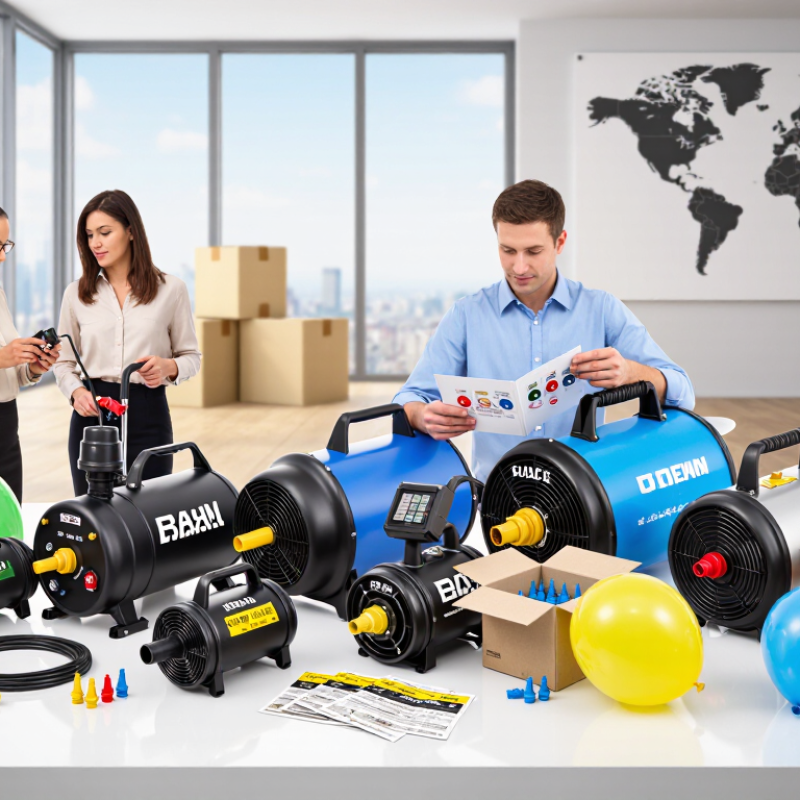
Balloon blowers are compact electric machines that fill latex or foil balloons with air. They are common at event venues, retail counters, schools, and party-rental businesses. A single-nozzle unit may suit occasional decorating, while multiple nozzles can help teams prepare balloon clusters faster. These tools do not add helium or seal balloons; staff still need suitable ties or heat-sealing equipment. Not every balloon fits every nozzle.
Commercial performance depends on more than advertised speed. Buyers should check airflow, duty cycle, noise level, power requirements, and nozzle sizes. A busy decorator may value a sturdy housing and replaceable parts more than a high peak output. In practice, product listings may omit useful details, so ask suppliers for operating guidance and warranty terms. A blower can save time, but it cannot prevent uneven results when balloon sizes vary.
Tips: Test a sample batch before a large event. Keep the intake clear, and let the motor cool as directed. Confirm voltage compatibility before ordering internationally. A short demonstration can reveal awkward controls or excessive noise—details that specifications may miss.
Key Types, Features, and Performance Specifications
Balloon blower suppliers generally offer three types: compact single-nozzle units for small batches, dual-nozzle inflators for parallel filling, and continuous-duty machines for event or production work. Compare airflow, rated duty cycle, nozzle diameter, noise, cord length, and input voltage. A higher wattage rating alone does not prove faster inflation; request measured output and test conditions. The U.S. Department of Energy’s 2023 fan-efficiency rulemaking evaluates airflow alongside electrical input, a useful reminder to compare delivered performance with power consumption. For consistent purchasing, ask suppliers for datasheets, safety documentation, and sample units tested with your balloon sizes.
Key specifications should match the job. A shop filling standard latex balloons may value two independent switches and a stable foot pedal. Larger decorations need compatible nozzles and enough airflow to avoid long pauses. Check whether the motor is rated for intermittent or continuous operation, and confirm the stated voltage and plug type suit the destination market. ISO 5801:2017 describes standardized performance testing for industrial fans; it is not a balloon-inflator certification, but its emphasis on defined test conditions is relevant when comparing airflow claims. Supplier figures can still be hard to compare.
Tips: Ask for airflow, duty-cycle, and noise readings under stated conditions. Test a sample with your own balloons before ordering in volume.
How Global Buyers Evaluate Balloon Blower Suppliers
Global buyers should assess balloon blower suppliers through testable performance, not catalog claims. Request airflow, pressure, duty-cycle, noise, and overheating data for the exact model. A sample run under realistic conditions can reveal weak airflow or excessive heat. A common mistake is comparing only unit prices; spare-part availability and repair time affect operating costs too. A sample matters.
Delivery reliability deserves equal attention. UNCTAD’s Review of Maritime Transport 2024 reports that over 80% of world merchandise trade by volume moves by sea. Buyers should therefore check packaging, lead times, shipment tracking, and contingency plans. The World Bank’s 2023 Logistics Performance Index evaluates customs, infrastructure, international shipments, logistics competence, tracking, and timeliness. These dimensions offer practical questions for supplier audits, especially when orders cross borders. Ask for recent delivery records, not just promises.
Technical fit should be documented before purchase. Confirm voltage, plug type, applicable safety test records, warranty terms, and whether replacement switches or motors can be sourced. Request inspection reports tied to the production batch, then compare them with a received sample. Paperwork can look complete while service support remains vague. That deserves a second look. Suppliers should answer clearly, provide traceable test evidence, and explain how they handle defects without shifting every cost to the buyer.
Profiles of 10 Balloon Blower Suppliers
High-volume manufacturers suit buyers needing steady output and repeatable quality. Ask for nozzle capacity, duty-cycle limits, and test records. Custom-mold workshops can adapt casing size or inlet design, though tooling may raise costs. Export wholesalers offer mixed models and consolidated orders. Check carton dimensions and spare-part availability before shipping. Pneumatic specialists may fit sites with existing air systems, but buyers should confirm pressure requirements. Electric blower makers often provide plug and voltage options. Request a clear specification sheet.
Event-rental suppliers understand frequent setup and transport. Their equipment may include handles and protective housings. Retail distributors can support smaller orders, although model choices may be limited. Original-equipment factories can produce private-label units and tailored packaging. Confirm who handles quality checks at each production stage. Regional repair providers offer accessible servicing. That matters when a blower fails just before an event.
Value-focused importers can help with basic, cost-sensitive purchases. Compare warranty terms, replacement parts, and sample performance, not price alone. A useful trial includes inflating several balloon sizes and checking heat, noise, and airflow consistency. Small details count. Supplier descriptions rarely tell the whole story; even a polished catalogue can leave questions about real-world durability. Request written specifications and inspect a sample before placing a large order.
Top 10 Balloon Blower Suppliers: Profile Coverage
This chart shows the 10 supplier profiles covered in the overview. It does not represent company rankings, sales, or market share.
International Sourcing, Quality Checks, and Delivery Considerations
Global sourcing starts with a supplier’s evidence, not a polished sample. Ask for recent batch records covering balloon dimensions, inflation consistency, leakage, color variation, and packaging condition. Compare a pre-production sample with goods selected during a pre-shipment inspection. A balloon that looks even under showroom lights may reveal thin spots when inflated. Small defect rates can still matter in large orders. Request the inspection method and acceptance limits in writing; “good quality” is not a measurable specification. A useful reference is ISO 2859-1, which describes acceptance sampling by attributes, though buyers must choose suitable inspection levels.
Delivery needs the same scrutiny. The World Bank’s Logistics Performance Index 2023 covered 139 countries and assessed customs, infrastructure, shipment arrangements, logistics competence, tracking, and timeliness. Its report estimates an average 44 days from an exporter’s warehouse to an importer’s warehouse, with substantial variation across routes. Build that variability into launch dates. Confirm carton dimensions, pallet plans, shipping terms, and who pays for rework before production begins. Ask suppliers for tracking milestones, not just a promised departure date. Delays happen. I would also test packaging after a realistic transit simulation; this step is easy to skip, and sometimes the cartons still arrive crushed.