Top 10 AI Floor Cleaners for Global Buyers

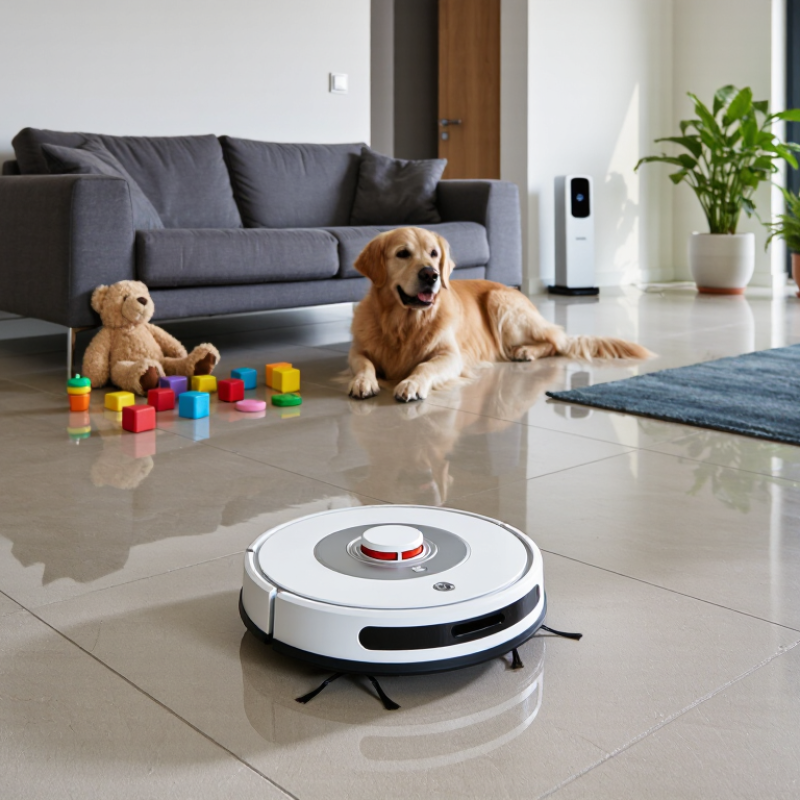
Choosing an Ai Floor Cleaner is not simply a matter of comparing suction figures. Homes differ: one buyer may have polished tile and a shedding dog, while another has thick rugs, narrow doorways, and children’s toys scattered near the sofa. A robot that handles one layout well may struggle in another. Small details matter.

This guide introduces ten options for global buyers, with attention to navigation, vacuuming and mopping performance, battery life, noise, and maintenance. It also considers practical ownership issues, including replacement brushes, filter availability, app language, regional warranty support, and compatibility with local power and connectivity standards. These points can be easy to overlook when product pages focus on impressive features.

Specifications offer a useful starting point, but they rarely show the whole experience. A mop pad may leave faint streaks on a glossy floor; a smart map may need careful setup around mirrored surfaces. Real-world results depend on room layout, flooring, and regular upkeep. No single model will suit every household.

The selections are intended to help readers compare strengths and trade-offs, not promise perfect cleaning. Buyers should check current regional specifications and service terms before ordering, since versions can vary between markets. A little extra research can prevent a costly mismatch. That part is not glamorous, but it counts.
Top 10 AI Floor Cleaners for Global Buyers

What Defines an AI Floor Cleaner?

Top 10 AI Floor Cleaners for Global Buyers

What Defines an AI Floor Cleaner?

An AI floor cleaner does more than follow a timed route. It uses sensors, onboard software, and sometimes machine-learning models to interpret its surroundings. A camera or depth sensor can detect chair legs, walls, and unexpected obstacles. Mapping software then helps the machine plan a route and revise it when the room changes. That distinction matters: a scheduled robot may be automated, but automation alone does not demonstrate adaptive intelligence.

Industry data shows why the category is drawing attention. The International Federation of Robotics reported that global sales of professional cleaning robots reached 12,305 units in 2022, an 8% increase from the previous year. That figure covers professional machines, not household cleaners, so it should not be treated as a direct measure of home demand. Buyers should look for clear evidence of practical performance: reliable obstacle detection, consistent coverage, and useful alerts when a brush is clogged or a tank needs attention. Small details count.

AI also has limits. Dark flooring, reflective surfaces, loose cables, and changing light can confuse sensors. A capable cleaner should communicate uncertainty and allow a person to intervene, rather than quietly repeating a poor route. “AI-powered” is not a performance guarantee. Ask how navigation was tested, what the system records, and whether the maker publishes independent results. Even good systems miss things; that deserves honest attention.

How AI Floor Cleaning Technologies Work

AI floor cleaners use sensors, software, and cleaning hardware to make decisions as they move. LiDAR can measure distances by sending out light pulses, while cameras help identify visible objects. Bump sensors provide a simple backup when a chair leg or wall is closer than expected. An onboard processor combines these signals to build a room map and plan a route. The map helps the machine cover open areas without repeatedly crossing the same patch. Useful, but not magic. Dark surfaces, glass, loose cables, and changing light can still confuse some sensors.

During a cleaning run, the system adjusts movement around furniture and may increase suction when it detects heavier debris. Some models also recognize rugs and change their cleaning behavior, though detection varies by surface and design. Water flow and brush speed may be controlled to suit the selected mode. These features can save effort, but they do not replace basic upkeep: tangled hair, a full dust bin, or dirty sensors can reduce performance. For buyers comparing cleaners across regions, consider floor type, room layout, and access to replacement filters and brushes. Keep sensors clean. Even well-designed navigation can miss a small obstacle or leave a narrow corner untouched.

Top 10 AI Floor Cleaners for Global Buyers - How AI Floor Cleaning Technologies Work

Rank Cleaner Type Floor-Cleaning Method Navigation and Sensing How AI or Automation Helps Best-Fit Environment Practical Buying Considerations
1 Residential robot vacuum Uses suction and a brush system to collect dust, hair, and loose debris. Common systems combine wheel odometry with a camera, laser ranging, or other distance sensors. Mapping and path-planning software can divide a home into rooms, plan routes, and avoid detected obstacles. Homes with hard floors, rugs, and everyday dry debris. Check threshold clearance, dust-bin capacity, carpet handling, map support, and availability of replacement filters and brushes.
2 Robot vacuum-and-mop combination Vacuums debris and uses a water-fed pad or mop assembly for light wet cleaning. Typically uses mapping sensors and contact or proximity sensors; some systems add floor or carpet detection. Software can schedule room-by-room cleaning and adjust routes or mop behavior based on mapped areas and detected surfaces. Mixed hard-floor homes needing routine vacuuming and light mopping. Confirm whether vacuuming and mopping can run together, how carpets are protected, and how the mop pad and water system are maintained.
3 Robot mop Wets and moves a reusable or disposable pad across hard flooring; some designs use oscillating or rotating pads. Uses navigation sensors to follow mapped routes and obstacle sensors to reduce collisions. Route planning can provide systematic coverage and help the robot avoid restricted or carpeted zones when those are mapped. Sealed hard floors such as tile, vinyl, and finished wood. Check water control, pad washing requirements, edge coverage, and whether the manufacturer permits use on the intended floor finish.
4 Self-emptying robot vacuum Performs robotic vacuuming and transfers collected debris to a dock-mounted dust container. Uses the navigation and obstacle-detection approaches found in mapped robot vacuums. Automated docking and scheduled cleaning reduce routine user involvement; mapping supports targeted room cleaning. Busy homes, larger floor areas, and households with frequent dry debris. Account for dock dimensions, noise during emptying, bag or bin upkeep, and the extra floor space required near a power outlet.
5 Robot vacuum with an automatic mop-service dock Combines vacuuming with wet mopping; a compatible dock may refill water and wash or dry mop pads. Mapping sensors guide cleaning, while the dock handles selected maintenance tasks automatically. Room maps and programmed routines coordinate cleaning; some systems can vary mop use by zone or floor type. Homes with extensive hard flooring and users seeking less frequent manual pad maintenance. Review dock plumbing requirements, water-tank handling, cleaning-solution restrictions, maintenance intervals, and consumable costs.
6 Commercial autonomous scrubber Scrubs hard floors with rotating brushes or pads, dispenses cleaning solution, and collects dirty water with a squeegee and recovery tank. May use laser scanners, cameras, odometry, and safety sensors to localize and detect people or objects. Autonomous navigation can support repeatable routes, obstacle response, and scheduled cleaning in mapped areas. Large facilities such as warehouses, airports, hospitals, and retail spaces. Assess cleaning width, tank capacity, runtime, floor compatibility, site-mapping needs, operator training, and local service support.
7 Compact commercial scrubber robot Uses powered brushes or pads with solution dispensing and dirty-water recovery in a smaller form factor. Proximity and navigation sensors help it move through tighter spaces and detect obstacles. Route automation can reduce repetitive manual operation while enabling consistent coverage of defined areas. Restaurants, clinics, small shops, and other facilities with narrow aisles or limited storage. Compare turning space, doorway clearance, tank size, charging time, noise level, and the amount of supervision required.
8 Autonomous dry-sweeping robot Collects dust and loose debris with brushes and a debris hopper rather than applying water. Navigation may combine laser or camera-based localization with obstacle and cliff sensors. Mapping and path planning can automate repeatable sweeping routes and help avoid designated restricted areas. Indoor commercial spaces where dry debris collection is the main daily task. Check debris-hopper capacity, brush access, floor transitions, filtration needs, and whether the unit can operate safely around people.
9 Autonomous floor-cleaning platform for multi-shift facilities Depending on configuration, supports vacuuming, sweeping, or scrubbing with task-specific cleaning modules. Often uses a combination of localization sensors, cameras, and safety scanners to navigate a defined facility. Fleet or task software can schedule jobs, report status, and coordinate routes when multiple units are deployed. Distribution centers, campuses, and large facilities with recurring cleaning schedules. Evaluate integration with site operations, network coverage, reporting, charging logistics, safety procedures, and long-term maintenance availability.
10 AI-assisted cleaning system with human oversight Uses an automated cleaner for routine coverage while staff handle edges, spills, stairs, and other exceptions. Sensor data and mapped routes support navigation; remote dashboards may show progress or alerts. Automation prioritizes repeatable work, while human review helps respond to blocked paths, unusual messes, or changing site conditions. Homes and businesses where full autonomy is impractical or cleaning needs vary by area. Plan for clear escalation procedures, staff training, privacy rules for camera-equipped devices, and realistic expectations about unattended operation.

Note: These entries describe cleaner types and commonly used technologies, not specific products. Sensor combinations, cleaning performance, autonomy, and maintenance requirements vary by model, floor surface, and operating environment.

Key Criteria for Comparing AI Floor Cleaners

Comparing AI floor cleaners starts with the route they can actually handle. Check whether the navigation system maps rooms, avoids cables, and recovers after being moved. In a small apartment, tight turns around chair legs matter more than a large advertised coverage area. Test performance on both hard floors and rugs, including along edges and beneath low furniture.

Battery figures need context. Compare tested cleaning time, charging time, and whether the unit resumes work after recharging. The International Federation of Robotics reported 19.1 million consumer service robots sold in 2023, up 11% from 2022, in its World Robotics 2024 report. That broad category includes many household robot types, not just floor cleaners, so it signals adoption—not cleaning quality. Numbers help. Ask how suction, water flow, and noise change across modes; published maximums rarely describe a full cleaning cycle.

For global buyers, weigh replaceable brushes, filters, and batteries against local parts availability and clear maintenance instructions. Check app language options, map storage settings, and whether core cleaning functions work without an internet connection. Safety documentation also deserves scrutiny: IEC 63327:2021 covers safety requirements for commercial floor-treatment machines, including robotic machines, but it is not a blanket certification for every household model. A polished feature list can still leave gaps. Seek test methods, warranty terms, and independent evidence for claims such as obstacle recognition or allergen removal.

Top 10 AI Floor Cleaners for Global Buyers

For global buyers comparing the top 10 AI floor cleaners, a useful shortlist starts with the spaces they must clean. A compact robot may suit tiled apartments, while large warehouses need longer runtime, wider cleaning paths, and easier maintenance. Check how each model handles chair legs, dark rugs, cable edges, and dried spills. These details matter. Navigation claims are less helpful than a clear explanation of sensors, mapping, and obstacle detection.

Compare cleaning performance under repeatable conditions, not just advertised suction or battery figures. Look for tests on tile, sealed wood, and low-pile carpet, plus measured water use and noise. A machine that avoids a dropped sock but misses sticky marks is not fully intelligent. Not always.

Buyers should also verify spare-part access, warranty coverage, voltage compatibility, and local service arrangements before ordering internationally. Ask how quickly filters, brushes, and batteries can be replaced. A ranking can make products appear neatly comparable, but testing methods and floor conditions often differ. That gap deserves scrutiny. Real operating costs may be harder to judge than purchase prices, and published specifications do not answer every question. A practical evaluation includes a small trial on the actual floor.

Regional Buying and Maintenance Considerations

Regional fit matters as much as navigation features when choosing an AI floor cleaner. A model suited to smooth tile may struggle with deep grout, thick rugs, or raised door tracks. Check its rated floor types and obstacle clearance against actual rooms, not showroom samples. Confirm charging requirements, replacement-part availability, and local service options before ordering. Small details matter.

Climate changes maintenance needs. Fine dust can collect around sensors and wheels, while humid rooms may leave damp pads smelling unpleasant if they are not dried promptly. Water hardness can also affect tanks and internal parts; follow the manual’s cleaning guidance rather than adding unapproved solutions. That assumption can be wrong. Ask local distributors about consumable lead times and warranty service, especially where shipping takes weeks. Keep a simple log of filter, brush, and pad changes.

Tips: Before purchase, measure the narrowest doorway and test the cleaner on a representative floor section. After each run, wipe sensors with a soft, dry cloth and remove tangled hair from the brush. If the device repeatedly misses one area, check lighting, floor reflections, and map settings before assuming its AI has failed.

Top 10 AI Floor Cleaners for Global Buyers

Regional Buying and Maintenance Considerations

The chart compares nominal mains frequency in 10 major buying markets. Frequency alone does not confirm a cleaner’s compatibility: check the voltage and frequency on the charger or dock label, along with plug type. For easier maintenance, also confirm local availability of replacement filters, brushes, batteries, and service support.

Let's Build Together

Contact Us: Call 435-563-3503

-OR-  Fill in the form below and we will call you back.

Copyright © 2025CNC Fabrication. All Rights Reserved.