2026 Top Drink Water Products for Global Buyers?

Choosing the right Drink Water products in 2026 requires more than attractive packaging or a low purchase price. Global buyers now examine safety, durability, user convenience, and long-term supply reliability. A reusable bottle may look excellent online, yet its cap can leak after repeated washing. A countertop dispenser may save time, but replacement filters could be expensive in remote markets.

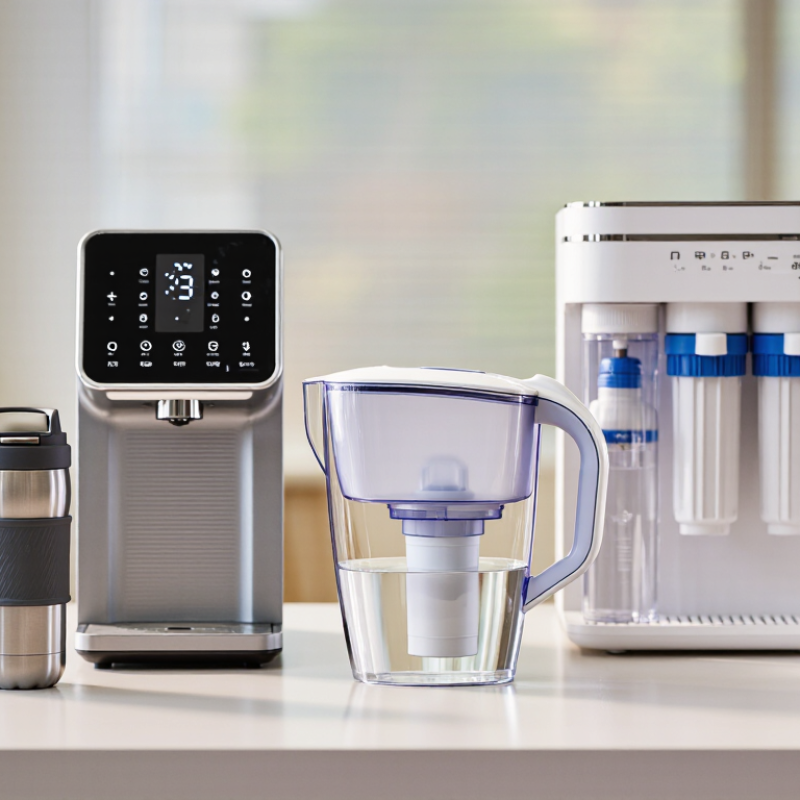
This guide examines leading Drink Water products for offices, hospitality businesses, retailers, schools, and outdoor users. It considers stainless steel bottles, insulated tumblers, filtration pitchers, countertop dispensers, hydration stations, and smart monitoring devices. Product evaluation should include food-contact materials, leak resistance, thermal performance, filter lifespan, cleaning access, and packaging quality. Independent laboratory reports and recognized safety certifications can provide stronger evidence than promotional claims.

Real purchasing decisions are rarely perfect. Supplier responses may be incomplete. Shipping conditions can change. A highly rated product may still fail when local water quality, climate, or maintenance habits differ. That is why experienced buyers should request samples, inspect seams and seals, test products under daily conditions, and compare warranty support before placing large orders. Small details matter.

The strongest suppliers explain specifications clearly and provide traceable quality records. They also communicate honestly about limitations, minimum order quantities, lead times, and spare parts. This article highlights practical options and responsible buying considerations for global markets. It does not assume one product fits every buyer. Careful comparison remains essential.

2026 Top Drink Water Products for Global Buyers?

What Defines the Best Drink Water Products in 2026?

What Defines the Best Drink Water Products in 2026?

The best drink water products begin with verified safety, not attractive packaging. The WHO Guidelines for Drinking-water Quality recommend risk management from the source to the consumer. They also identify E. coli as a key indicator, with none detected in a 100-millilitre sample. Buyers should request independent test reports, material declarations, and clear replacement schedules. Vague claims like “advanced purification” deserve careful questioning.

Access also shapes product value. The WHO/UNICEF Joint Monitoring Programme reported that 2.2 billion people lacked safely managed drinking water in 2022. This makes reliable household treatment, storage, and transport increasingly important. Effective products should handle local water conditions, temperature changes, and irregular electricity. Low-energy operation matters in areas with unstable power. Simple controls help users avoid maintenance mistakes.

Durability now competes with novelty. The UNEP Global Resources Outlook 2024 linked rising resource use with growing environmental pressure. Products with repairable parts, long-life filters, and recyclable materials can reduce avoidable waste. Yet “eco-friendly” labels are not enough. Buyers need lifecycle evidence. Some products perform well in laboratories but disappoint after months of real use. That gap deserves more attention. Taste, flow speed, noise, and filter cost also influence daily adoption. A technically impressive product may still fail beside a kitchen sink. Good purchasing decisions should combine certified performance, field experience, transparent data, and realistic ownership costs.

2026 Top Drinking Water Products for Global Buyers

What Defines the Best Drinking Water Products in 2026?

For global buyers, the best drinking water products should provide verified laboratory results that meet or exceed internationally recognized safety benchmarks. The chart compares selected WHO guideline values for important chemical parameters in drinking water.

Source: World Health Organization, Guidelines for Drinking-water Quality, fourth edition incorporating the first and second addenda. Values are maximum guideline concentrations in mg/L; lead is a provisional guideline value.

Which Types of Drink Water Products Meet Global Buyer Needs?

Global buyers need drinking water products that solve different access, safety, and convenience problems. The WHO/UNICEF Joint Monitoring Programme reported that 2.2 billion people lacked safely managed drinking water in 2022. This gap supports demand for practical filtration, refill, and packaged-water solutions.

Point-of-use products are suitable for homes, offices, and small hospitality sites. Activated-carbon filters can improve taste and reduce selected contaminants. Reverse-osmosis units offer deeper treatment, but they need pressure, electricity, and regular membrane replacement. UV systems add microbial protection when water is already clear. Many buyers also prefer compact dispensers with 5- to 20-liter containers, especially where plumbing is limited. Clear replacement dates matter.

Reusable bottles and insulated containers meet mobile consumption needs. They should use tested, food-contact materials and resist leakage after repeated washing. Packaged drinking water remains relevant for emergencies, travel, and unreliable local supply. However, packaging waste and transport emissions create purchasing concerns. The OECD’s Global Plastics Outlook highlights the continuing growth of plastic waste, making recycled content and return systems more important.

The World Bank’s Water Global Practice notes that water quality, reliability, and affordability often fail together. A low-price filter is not automatically a good product. Some systems are difficult to maintain. This is where buyers may need to think again. Suppliers should provide laboratory test results, installation guidance, service intervals, and destination-market compliance documents. Products that look advanced but lack local replacement parts may disappoint users quickly.

2026 Top Drink Water Products for Global Buyers — Which Types Meet Global Buyer Needs?
Water Product Type Typical Treatment or Origin Typical Mineral Profile / Key Characteristic Common Packaging Formats Storage and Shelf-Life Considerations Primary Global Buyer Needs Best-Fit Sales Channels Important Compliance and Quality Checks
Purified Drinking Water Usually produced from municipal or groundwater sources through processes such as filtration, reverse osmosis, ultraviolet treatment, ozonation, or a combination of these methods. Low and consistent total dissolved solids (TDS), with a neutral taste when properly treated and remineralized if required. Small PET bottles, glass bottles, large reusable containers, cartons, and refill-station formats. Store away from direct sunlight, excessive heat, and chemicals. Shelf life is commonly established by the packager based on packaging and quality validation. Consistent taste, broad consumer acceptance, scalable production, and competitive pricing. Retail, foodservice, offices, schools, hospitals, airlines, hotels, and vending. Potable-water microbiology, chemical contaminant limits, source-water controls, sanitation records, packaging migration compliance, and accurate labeling.
Natural Mineral Water Obtained from a protected underground source and bottled close to the source. Treatment options are generally more restricted than for purified water. Stable mineral composition that must be declared or controlled according to the destination market; taste varies with the source. Glass bottles, PET bottles, cans, and multipacks. Protect from heat and light. Source protection and composition consistency are essential throughout the product life cycle. Traceable origin, premium positioning, stable mineral content, and distinctive taste. Premium retail, hospitality, restaurants, travel, specialty grocery, and foodservice. Source authorization, mineral-composition testing, microbiological safety, permitted treatment verification, origin claims, and label declarations.
Spring Water Collected from an underground formation where water naturally flows to the surface or is collected through a borehole connected to the spring source. Mineral content can range from low to moderate and may vary by geological area; the source identity is a major product attribute. PET bottles, glass bottles, cartons, and returnable containers. Requires controlled source protection, hygienic bottling, and transport conditions that limit contamination and heat exposure. Natural-source storytelling, accessible pricing, and a balance between origin appeal and high-volume availability. Supermarkets, convenience stores, restaurants, hotels, outdoor events, and institutional supply. Source protection, hygienic collection, microbiological monitoring, permitted processing, traceability, and truthful spring-origin labeling.
Sparkling Water Water naturally containing carbon dioxide or water to which food-grade carbon dioxide is added under controlled conditions. Carbonation level and mineral content determine mouthfeel, acidity, and taste. Carbonated water is not the same as sugar-sweetened soda. Glass bottles, PET bottles, aluminum cans, and multipacks. Carbon dioxide retention depends on package integrity and temperature. Avoid freezing, excessive heat, and rough handling. Refreshing alternatives to sweetened beverages, premium dining experiences, and convenient single-serve consumption. Restaurants, cafés, hotels, supermarkets, convenience stores, and foodservice distributors. Carbonation specification, pressure-resistant packaging, closure integrity, food-grade gas documentation, acidity control, and accurate product naming.
Alkaline Water Produced by using naturally higher-pH source water or by controlled mineral addition and, in some cases, electrolysis. Typically marketed with a pH above neutral. pH and mineral composition should remain within the applicable legal and technical specification. PET bottles, glass bottles, cartons, and aluminum cans. Mineral stability and pH should be monitored during storage. Avoid unsupported health or disease-prevention claims. Consumers seeking differentiated water attributes, functional-style positioning, and transparent mineral information. Health-oriented retail, gyms, wellness channels, e-commerce, convenience stores, and hospitality. Verified pH and mineral analysis, compliant nutrition or mineral labeling, approved claims, contaminant testing, and stable formulation.
Electrolyte Water Drinking water containing added electrolytes such as sodium, potassium, calcium, or magnesium. It may be non-caloric or lightly flavored. Electrolyte levels vary by formulation. It should not automatically be described as an oral rehydration solution or sports drink. PET bottles, cans, cartons, and single-serve pouches where permitted. Protect from heat and light, particularly when flavors, vitamins, or other sensitive ingredients are included. Convenient hydration, active lifestyles, travel, outdoor use, and consumers looking for measurable mineral content. Sports and fitness retail, convenience stores, pharmacies, travel retail, e-commerce, and vending. Ingredient legality, electrolyte assay, allergen review, microbiological safety, nutrition labeling, claim substantiation, and country-specific classification.
Flavored Water Water combined with natural or permitted flavoring ingredients, with or without sweeteners, vitamins, minerals, or botanical ingredients. Flavor intensity, sweetness level, acidity, and calorie content are the main differentiating factors. PET bottles, aluminum cans, cartons, and glass bottles. Acidified products generally require validated process controls. Protect from heat and light to help preserve flavor and color. Taste variety, lower-sugar beverage portfolios, convenience, and younger or lifestyle-focused consumers. Convenience stores, supermarkets, cafés, gyms, vending, restaurants, and online grocery. Approved additives and flavors, sugar and calorie declarations, preservative controls, pH validation, allergen labeling, and claim compliance.
Water in Cartons or Paper-Based Packs Purified, spring, or mineral water packed in composite cartons that commonly combine paperboard with polymer and, depending on the structure, barrier layers. Water characteristics depend on the underlying product; the main differentiation is packaging format and logistics profile. Single-serve cartons, family-size cartons, and multipacks. Keep dry and protected from puncture, heat, humidity, and strong odors. Packaging recycling availability varies by market. Retailers and buyers seeking alternative packaging formats, efficient palletization, and reduced reliance on conventional plastic bottles. Supermarkets, offices, schools, hospitality, events, emergency supply, and institutional procurement. Food-contact material compliance, seal integrity, transport testing, recycling instructions, responsible packaging claims, and potable-water standards.
Large-Format Refillable Water Purified or treated drinking water supplied in reusable containers, commonly for dispensers, offices, homes, and institutions. Consistent treatment performance and controlled taste are more important than origin-based mineral differentiation. Reusable plastic containers, stainless-steel containers, dispensers, and returnable delivery units. Requires documented cleaning, sanitization, container inspection, reverse logistics, and protection from contamination during delivery. Lower packaging waste per liter, recurring supply contracts, workplace hydration, and high-volume consumption. Offices, schools, hospitals, hotels, factories, residential delivery, and public facilities. Container sanitation, delivery hygiene, tamper protection, water testing frequency, equipment maintenance, traceability, and local refill regulations.
Emergency and Humanitarian Water Packs Potable water processed and packed for disaster response, remote operations, military use, or short-term emergency distribution. Prioritizes microbiological safety, portability, tamper evidence, and clear batch traceability over premium taste attributes. Sealed pouches, small PET bottles, cartons, and boxed multipacks. Must tolerate planned transport and storage conditions. Date coding, stock rotation, and protection from heat are critical. Rapid deployment, compact logistics, tamper evidence, simple distribution, and reliable safety documentation. Government procurement, humanitarian agencies, emergency services, remote worksites, and disaster-relief programs. Potable-water microbiology, packaging integrity, batch traceability, tamper evidence, transport testing, emergency procurement specifications, and local regulatory acceptance.

How to Compare Materials, Features, Safety, and Sustainability

For global buyers in 2026, comparing drink water products requires more than checking price and appearance. Stainless steel offers strength and long service life, while glass provides a neutral taste but needs protective packaging. Food-grade plastics reduce weight and breakage, yet buyers should verify material composition and repeated-use performance. A thin bottle may look efficient, but it can fail quickly in daily transport.

Safety needs documented evidence. Request food-contact test reports, migration testing, and checks for heavy metals, BPA, and odor retention. Requirements differ across markets, so one certificate may not satisfy every importer. The World Health Organization and UNICEF reported that 2.2 billion people lacked safely managed drinking water services in 2022. This highlights why cleanable design matters. Wide openings, removable seals, and smooth inner walls reduce hidden residue. Small details matter.

Sustainability should be measured across the product’s life. UNEP’s 2023 Turning off the Tap report found that global plastic pollution could be reduced by 80% by 2040 through reuse, recycling, and system changes. Therefore, buyers should examine recycled content, repairable parts, packaging volume, and realistic recycling routes. Durability often beats a fashionable material claim. Still, durability is not automatically sustainable if the bottle is difficult to clean or rarely reused. Ask for lifecycle data, not vague green language. The comparison is imperfect. That is precisely why transparent testing and supplier audits matter.

What Certifications and Standards Should Global Buyers Check?

For global buyers, water products should be checked against the market where they will be sold. A certificate alone is not enough. Confirm the product model, factory, materials, and test scope listed on the document. For filters and dispensers, NSF/ANSI 42 may cover aesthetic effects, while NSF/ANSI 53 or 58 can address specific contaminant reduction claims. These claims must match the actual test report.

Material safety also matters. Ask for food-contact compliance under the destination market’s rules, such as EU Regulation 1935/2004 or relevant national requirements. Request migration testing for plastic parts, seals, tubing, and coatings. Look for ISO 9001 certification as evidence of quality management, but do not confuse it with product safety approval. Different meaning.

In practical sourcing reviews, I would verify the certificate directly with the issuing body whenever possible. Check its expiry date, factory address, model number, and permitted claims. A recent batch report can reveal problems that a general certificate hides. Test results should identify laboratories, methods, detection limits, and sample dates. Buyers should also inspect production controls, packaging hygiene, and traceability records. Small details matter. I once overlooked replacement-part materials during a document review; that gap could change water-contact compliance. Requirements also vary between countries, and translations can create mistakes. Local regulatory advice remains useful before large orders.

How to Choose Reliable Suppliers and Plan International Purchases

Choosing reliable water-product suppliers requires more than comparing unit prices. The WHO/UNICEF Joint Monitoring Programme reported that 2.2 billion people lacked safely managed drinking water in 2022. This creates strong demand for filters, dispensers, reusable bottles, and treatment accessories. It also raises quality expectations.

Ask suppliers for recent laboratory reports, material specifications, batch records, and food-contact compliance documents. Check whether tests cover migration, durability, microbiological safety, and chemical performance. ISO 22000-based systems can indicate structured food-safety management, but certificates still require verification. Contact the issuing body when documents look unclear. Supplier spreadsheets often appear precise. Reality is messier.

Tips: Start with a small pilot order. Inspect samples under real shipping conditions. Confirm packaging strength, replacement-part availability, minimum order quantities, and production lead times. Request Incoterms, harmonized tariff codes, payment terms, and a complete landed-cost estimate. UNCTAD reports that over 80% of global merchandise trade by volume moves by sea, so port delays can affect seasonal launches. Build buffer stock and agree on inspection points before payment. A cheaper supplier may become expensive after customs, damage, and rejected batches. I still allow room for mistakes, because forecasts rarely match first shipments. Record every variance and revise the next purchase plan.

Article Source:

Let's Build Together

Contact Us: Call 435-563-3503

-OR-  Fill in the form below and we will call you back.

Copyright © 2025CNC Fabrication. All Rights Reserved.