How to Source High Quality Hydraulic Precision Castings?
The demand for Hydraulic Precision Castings is soaring. In 2022, the global hydraulic casting market was valued at approximately $5 billion, with a steady growth rate forecasted. These castings are crucial in industries such as automotive, aerospace, and manufacturing. They provide strength and precision, which are essential for high-performance machinery.
Sourcing high-quality Hydraulic Precision Castings involves evaluating suppliers carefully. Not every manufacturer meets the high standards needed for precision parts. Reports indicate that 30% of castings fail to meet quality specifications, leading to costly reworks. It's critical to assess the foundries' capabilities, technology, and experience in precision casting.
Moreover, not all regions offer the same level of expertise. Countries renowned for advanced casting techniques, like Germany and Japan, often yield better results. However, manufacturers in emerging markets can also surprise with their innovation. Balancing cost with quality remains a challenge, prompting businesses to reflect on their sourcing strategies. Companies must champion quality over merely opting for lower prices. Engaging with experienced foundries can bridge the gap between cost and reliability.
Understanding Hydraulic Precision Castings and Their Applications
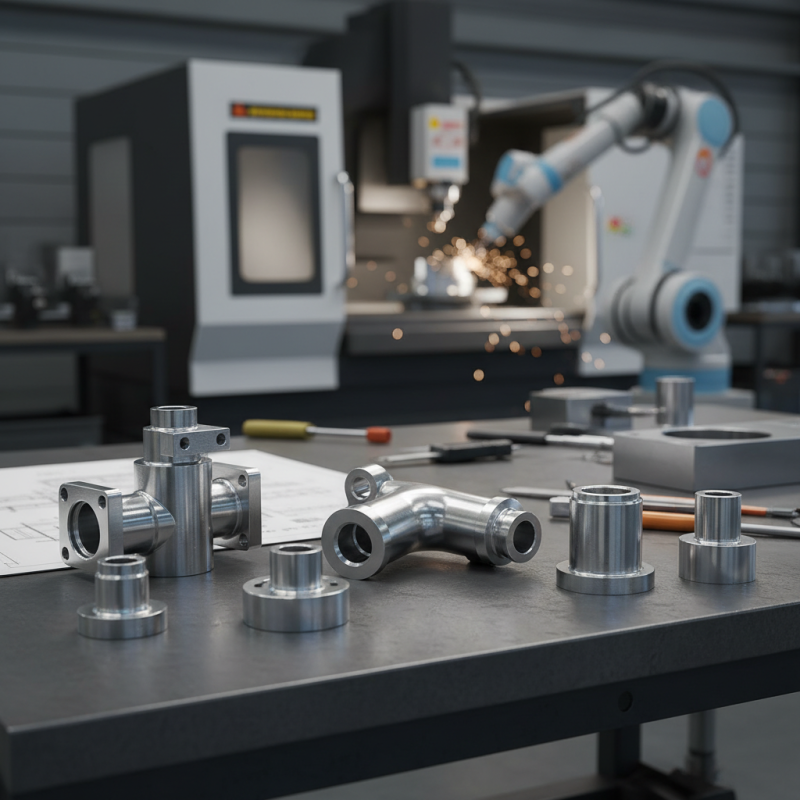
Hydraulic precision castings are critical components in various industries. They are commonly used in automotive, aerospace, and hydraulic systems. These castings provide precision and durability, essential for high-stress applications. Recent industry reports indicate that the global hydraulic components market is expected to reach $57 billion by 2025, emphasizing the growing demand for quality castings.
The process of creating hydraulic precision castings involves careful material selection. Aluminum, iron, and steel are often used due to their strength and versatility. However, choosing the wrong material can lead to failure. Therefore, sourcing high-quality castings should involve rigorous testing and quality assurance processes. Inspecting metallurgical properties is vital. A study shows that 30% of defects in castings were due to improper material properties.
Tips for sourcing high-quality castings include establishing relationships with trusted suppliers. Look for manufacturers with certifications and proven track records. Conduct site visits to assess production capabilities and quality control measures. Additionally, focus on understanding the specific application requirements to avoid missteps. Remember, investing time upfront can prevent costly mistakes later.
Key Factors in Evaluating the Quality of Castings
When sourcing high-quality hydraulic precision castings, evaluating casting quality is essential. Strong materials play a key role. According to industry reports, materials make up about 70% of the casting's overall performance. Look for castings made from high-grade alloys. This ensures better stress resistance and longevity.
Surface finish is another critical factor. A rough finish can lead to friction and premature wear. Industry standards recommend a roughness average (Ra) of 1.6 micrometers or lower for hydraulic applications. Ensure your supplier can meet these standards consistently.
Also, consider the manufacturing process. Advanced techniques like vacuum casting improve precision and reduce defects. However, not all manufacturers use this approach. Always ask for process documentation. A supplier’s willingness to provide this can indicate their commitment to quality and reliability. Remember, casting quality is more than just visual appeal; it directly affects performance and safety in hydraulic systems.
Essential Materials for High-Quality Hydraulic Castings
High-quality hydraulic castings rely heavily on the materials used during manufacturing. One of the most essential materials is high-grade aluminum. It offers excellent strength and corrosion resistance. Choosing the right aluminum alloy ensures durability under pressure. Another vital material is ductile iron, known for its toughness and flexibility. It can handle stress without cracking, which is crucial for hydraulic applications.
Beyond metals, additives play a significant role. Silicon and magnesium can enhance the properties of castings. They improve fluidity during the casting process. However, not all additives yield desirable outcomes. Poor selection can lead to weak castings that fail under stress. Regular testing of these materials helps ascertain their quality and suitability for hydraulic applications.
Environmental factors also impact material quality. Moisture can cause defects in castings, leading to costly repairs. Manufacturers should invest in proper storage solutions to mitigate these risks. It’s essential to continually review and refine material sourcing strategies. Finding the right balance between cost and quality can be challenging. Yet, it is crucial for creating reliable hydraulic castings that meet industry standards.
Sourcing Strategies for Reliable Casting Suppliers
Sourcing high-quality hydraulic precision castings requires strategic planning. Identifying reliable suppliers is crucial. According to a recent industry report, 70% of casting failures are due to poor supplier quality. Therefore, vetting potential partners can prevent costly errors.
Consider their experience in hydraulic precision casting. Look for suppliers with a proven track record. Review their certifications and quality control processes. A supplier's commitment to continuous improvement shows reliability. Also, check customer testimonials. Positive feedback reflects strong performance.
Tip: Request sample products. This lets you examine the quality firsthand. Testing the castings can reveal manufacturing inconsistencies.
Networking within the industry is beneficial. Attend trade shows or workshops to connect with potential suppliers. Exploring different markets can uncover hidden gems. However, be cautious. Not every supplier meets high standards. A balance of cost and quality is essential.
Tip: Conduct site visits. Observing the manufacturing process ensures compliance with your standards. It fosters transparency and strengthens partnerships.
Quality Control Measures for Precision Casting Production
Quality control is critical in precision casting production. First, establishing a robust inspection process is essential. Regular checks help ensure that each casting meets dimensional accuracy and surface finish specifications. Using tools like coordinate measuring machines can enhance precision.
Identifying potential defects early is crucial. Implementing non-destructive testing methods allows manufacturers to evaluate the integrity of castings without damaging them. Techniques like ultrasonic testing or dye penetrant inspections can reveal hidden flaws. Ensuring staff is trained in these methods promotes a culture of quality awareness.
Documentation plays a vital role in maintaining quality standards. Keeping detailed records of each production batch can help trace issues back to their source. However, not every batch will meet expectations, leading to a need for continuous improvement. Gathering feedback from quality audits can provide valuable insights. This critical reflection can drive better practices in future projects.
How to Source High Quality Hydraulic Precision Castings? - Quality Control Measures for Precision Casting Production
| Criteria | Description | Importance Level | Quality Control Measure |
| Material Quality | Ensure high-grade alloys are used for casting. | High | Material certification and testing reports |
| Casting Precision | Maintain tight tolerances in dimensional specifications. | Critical | CMM inspections and dimensional audits |
| Surface Finish | Achieve the required surface texture for function and appearance. | Medium | Surface roughness measurements |
| Defect Inspection | Identify and rectify defects like inclusions or porosity. | High | Non-destructive testing (NDT) methods |
| Production Consistency | Ensure uniform quality across production batches. | High | Statistical process control (SPC) |
| Supplier Reliability | Work with suppliers who have a proven track record. | Critical | Supplier audits and evaluations |