What is Prototype Molding and How Does It Benefit Your Project?
Prototype molding is a powerful technique in product development. This process allows designers to create detailed, functional prototypes. It offers a tangible glimpse of the final product.
Many companies benefit from prototype molding. It helps identify design flaws early on. Testing with real materials enhances the final design. However, it's essential to approach this method carefully. Missteps can lead to costly revisions.
Investing in quality prototype molding can streamline production. The closer you get to the final product, the better. This fosters efficiency and reduces the chance of errors. Embracing this methodology can transform your project’s success.
What is Prototype Molding and Its Purpose in Manufacturing
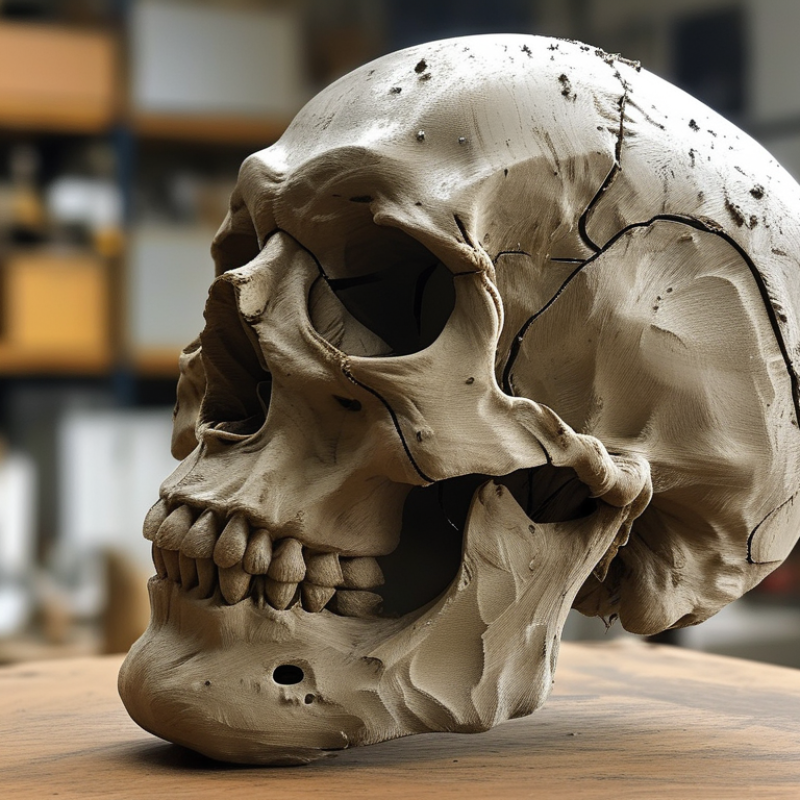
Prototype molding is a crucial process in manufacturing, serving to create initial models or prototypes of a product. This technique allows designers and engineers to test concepts efficiently. By producing a physical representation, teams can evaluate aesthetics, functionality, and user experience early in development. The tactile feedback helps identify potential issues.
One significant benefit of prototype molding is its speed. Creating a prototype is often quicker than traditional production methods. This speed can lead to faster feedback loops, allowing teams to iterate within short timeframes. However, it’s essential to recognize that prototypes are not perfect. They may not fully represent the final product due to material limitations or design nuances that evolve over time. Therefore, revisions are integral to the process.
Moreover, prototype molding provides a more flexible environment for innovation. Teams can experiment with different designs and materials without prohibitive costs. Yet, this flexibility can lead to challenges, such as scope creep, where a project expands beyond initial goals. Continuous reflection on the design process ensures teams remain focused. Balancing creativity with practicality is vital for effective product development.
What is Prototype Molding and How Does It Benefit Your Project?
| Dimension | Details |
|---|---|
| Definition | Prototype molding is a manufacturing process for creating prototypes through mold injection. |
| Materials Used | Common materials include thermoplastics and various composites. |
| Lead Time | Typically ranges from a few weeks to several months depending on the complexity of the design. |
| Cost Factors | Costs are influenced by material selection, design complexity, and quantity of parts produced. |
| Benefits | Facilitates design verification, reduces time to market, and enhances overall product quality. |
| Applications | Widely used in industries such as automotive, consumer electronics, and medical devices. |
Types of Prototype Molding Processes Used in Industries
Prototype molding is essential in various industries, allowing for rapid product development. There are several types of prototype molding processes used today, each with its advantages. One common method is injection molding, which facilitates the production of complex shapes with high precision. A report from the Society of Plastics Engineers states that injection molding can reduce lead times by 30-50% compared to traditional manufacturing methods.
Another effective technique is 3D printing, which enables the creation of prototypes directly from digital models. This process is especially beneficial for low-volume productions. According to the 2022 Industry Research Report, industries utilizing 3D printing codesign products have seen a 40% increase in innovation speed. However, it’s worth noting that 3D printed prototypes may not always match the durability of injection molded parts.
Vacuum casting serves as another option, often used for soft materials and limited runs. This method allows for the quick production of high-quality prototypes, often in flexible materials. However, while it offers decent surface finishes, it may not fully replicate the final product's characteristics. Each process has strengths and weaknesses, necessitating a thoughtful choice based on project requirements and product goals.
Advantages of Prototype Molding for Product Development and Testing
Prototype molding offers numerous advantages for product development and testing. It allows for quick and cost-effective production of prototypes. Designers can create samples in varying materials, which helps visualize the final product. This process also enables teams to test functionality early in development. By identifying design flaws sooner, companies can save time and resources.
One significant benefit is the ability to iterate rapidly. Engineers can refine designs based on user feedback. Each version of the prototype can be slightly altered to explore different features. This exploration often leads to unexpected insights. However, the challenge lies in balancing speed and thorough evaluation of each prototype. Teams may rush through iterations but neglect important details, resulting in costly mistakes.
Moreover, prototype molding fosters collaboration among stakeholders. Engineers, designers, and clients can engage in meaningful discussions around tangible products. Holding prototypes encourages constructive criticism, which is vital for innovation. Yet, it’s essential to maintain a holistic view. Rapid changes can sometimes lead to confusion and misaligned goals among team members. Regular communication can help mitigate this risk.
Key Materials Used in Prototype Molding Techniques
Prototype molding is a versatile technique that uses various materials. These materials directly affect the quality and functionality of the prototypes created. A common choice is thermoplastics, praised for their ease of use and versatility. They can be melted and reshaped multiple times, providing significant flexibility during the design phase.
Another frequent material is urethane resin. It offers durability and can mimic the properties of different plastics. Urethane resins are ideal for creating prototypes that need to undergo functional testing. Furthermore, silicone materials are popular for molds due to their ability to create fine details. They allow for intricate designs that lend themselves well to areas like automotive and consumer products.
Some materials may not always be suitable for every project. Factors like temperature tolerance and strength can limit their use in certain applications. Understanding these limitations helps in making informed choices. Balancing benefits and drawbacks is essential for successful outcomes. This reflection can lead to better decision-making in future projects.
Best Practices for Implementing Prototype Molding in Projects
Prototype molding is an invaluable technique for product development. Its success relies heavily on the best practices implemented during the process. A clear understanding of project goals is crucial. This focus helps streamline the design and reduces costly mistakes later on.
Communication is key when working with teams and stakeholders. Regular updates and feedback sessions can prevent misunderstandings. It’s also essential to document every step of the process. This ensures transparency and allows for reflection on challenges faced. An iterative approach can improve the final output, but it may require additional time.
Testing is another critical aspect of prototype molding. Create multiple iterations and gather input from real users. Their feedback can offer insights that designers may overlook. Balancing speed with quality is a constant challenge. It often leads to the need for adjustments and patience throughout the design phase. Ultimately, embracing a flexible mindset allows teams to adapt as necessary.
Article Source:
Let's Build Together
Contact Us: Call 435-563-3503
-OR- Fill in the form below and we will call you back.