7 M8 Pico Connector Buying Tips for Global Buyers
Global buyers often discover that an M8 Pico Connector is a small component with outsized consequences. A mismatch can stop an assembly line, complicate field replacement, or undermine a sensor connection exposed to vibration and moisture. The right choice depends on more than price. Buyers need to compare connector coding, pin count, cable construction, mounting style, and the equipment’s operating conditions.
A verified industry quotation should guide this discussion, but no source or expert attribution was provided. Insert an approved quotation here: “[Verified expert quote about M8 Pico Connector selection].” Naming a specialist without a reliable source would make the advice less trustworthy, not more authoritative.
This guide examines seven practical checks for evaluating suppliers and specifications. Look closely at drawings, mating details, rated temperature, sealing claims, and the exact cable length required. Ask vendors for datasheets and samples when a specification is unclear. A connector that fits on paper may still create problems in a tight enclosure. Small details matter.
There is room for humility, too. A checklist cannot replace testing in the actual application, and supplier language can be easy to misread. Confirm critical dimensions and performance claims before placing a large order. Careful comparison can reduce avoidable surprises, though it cannot eliminate every risk.
Understanding M8 Pico Connectors and Their Common Variants
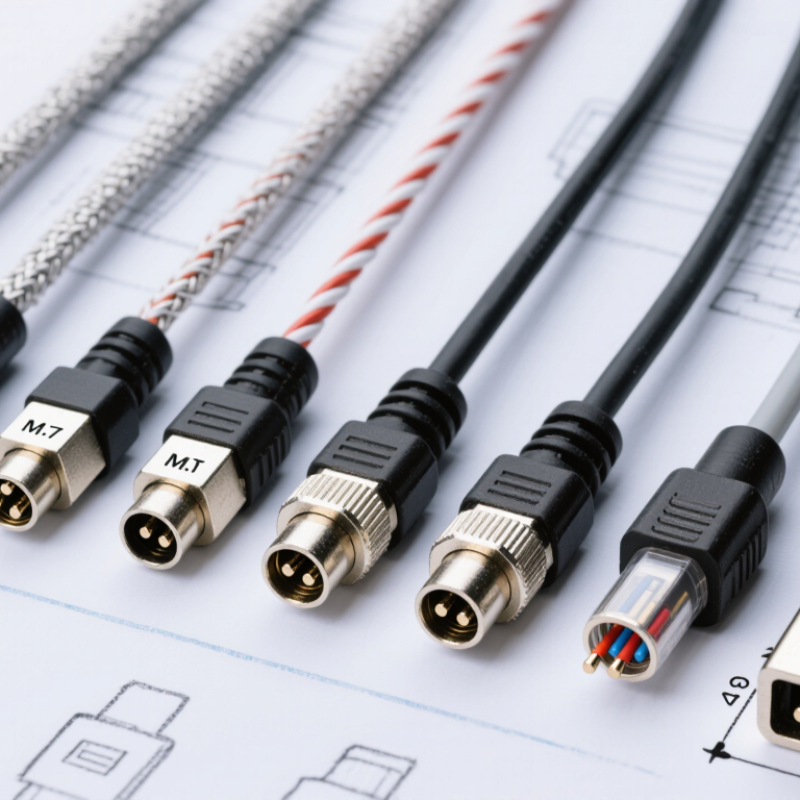
M8 Pico connectors use an 8 mm threaded coupling for compact sensor and actuator connections. Their small bodies suit crowded machine panels, where larger plugs can block nearby terminals. IEC 61076-2-104 defines requirements for this connector family. Common options include straight or right-angle bodies, molded cables or field-attachable plugs, and different contact counts. Three- and four-pin versions are common, but pin count alone does not confirm compatibility.
Coding matters. A-coded M8 connectors commonly serve sensor and actuator signals; D-coded versions can support Ethernet when the connected equipment specifies them. Check the code, pin assignment, gender, and cable construction before ordering. Also verify ingress protection and shielding against the installation conditions. A connector may look right and still fail to mate. Grand View Research’s 2023 Industrial Connectors Market report estimated the broader market at USD 7.27 billion; that figure covers many connector types, not M8 alone. It signals a large industrial sector, not guaranteed demand for a particular variant. In practice, drawing checks help—but cable routing and washdown exposure are easy to underestimate. Small details, real consequences.
Matching Connector Specifications to Your Equipment
An M8 connector has a nominal 8 mm thread, but thread size alone does not confirm compatibility. IEC 61076-2-104:2014 covers M8 circular connectors and their interface requirements. Check the pin count, coding, contact arrangement, and cable exit direction against the equipment drawing. A four-pin connector may fit physically yet fail to match the sensor’s wiring. Small details matter.
Next, compare electrical and environmental requirements. Record operating voltage, current per contact, signal type, and cable length; do not rely on a connector’s appearance. IEC 60529 defines IP protection ratings. For example, IP67 testing includes dust protection and temporary immersion under specified conditions. Verify whether the rating applies to the connector when mated, and whether your installation faces washdown, vibration, or oil. The equipment manual remains essential.
Mechanical fit deserves a real check. Measure clearance around the socket, including room for a wrench and the cable’s bend radius. Confirm whether the machine uses screw-locking or another coupling style, then review temperature limits and shielding needs. I have seen specification sheets that list an IP rating but omit the mating condition; that gap deserves a question to the supplier. Match the connector to the actual operating setup, not just the catalog description.
Checking Environmental Ratings and Installation Requirements
When selecting an M8 Pico connector, check the environmental rating for the complete, assembled connection—not just the connector body. A rating may depend on the correct mating component, cable, and sealing arrangement. Check the manufacturer’s test conditions, too. A splash-resistant setup may not suit repeated washdown or immersion. Check the complete assembly.
Look at temperature limits, dust exposure, moisture, and expected cleaning methods. A rating alone does not confirm suitability for every site. It is easy to overlook cable movement: vibration or a tight bend can loosen a connection or strain the seal over time.
Tips: Match the connector’s rating to the real installation conditions. Confirm thread engagement and tightening guidance before fitting. Check the cable’s bend radius and provide strain relief. Leave access for inspection.
For panel mounting, verify clearance behind the panel and space for a mating cable to turn without force. Keep sealing surfaces clean and inspect them for cuts or debris during installation. Do not compensate for a poor fit by overtightening; that can damage threads or seals. A small trial installation can reveal awkward access, though it may not reproduce every field condition.
Evaluating Supplier Quality, Certifications, and Traceability
For an M8 Pico connector, supplier quality starts on the production line, not in a brochure. Ask for a current ISO 9001 certificate and verify that its scope covers the supplying site and connector assembly. Review inspection records for contact resistance, insulation resistance, dimensions, and mating-cycle tests. Request sample reports tied to an actual production lot, not an anonymous template. Small mismatch, big headache.
Traceability should connect each finished connector to its materials and process history. Ask for lot codes linking contact-plating batches, housing materials, assembly dates, and final test results. Resilinc’s 2023 EventWatchAI report recorded a 38% year-over-year increase in supply-chain disruption events. That figure is not connector-specific, but it illustrates why traceable records matter when a material source changes. Ask how quickly the supplier can identify affected lots and provide updated documentation. A polished certificate alone cannot answer this.
Compare corrective-action records, calibration logs, and change-notification procedures before approving samples. Certifications help, but they do not guarantee every shipment meets your drawing. Confirm record-retention periods and request certificates of conformity by lot. Then inspect incoming pieces for pin layout, keying, and cable markings. Manual checks take time. Yet buyers may discover gaps only after assembly begins; that points to a process weakness, not bad luck. Some records may still rely on spreadsheets, so test one lot’s traceability before placing a volume order.
Comparing Lead Times, Pricing, and Global Shipping Terms
For global buyers, an M8 Pico connector quote is useful only when its scope is clear. Confirm the contact arrangement, cable length, and whether the price includes assembly and testing. A lower unit price may exclude tooling, samples, or protective packaging. Ask suppliers to separate sample, production, and transit times. These are different schedules. I still find this easy to overlook when comparing quotes.
Tip: Request the same quantities and specifications from each supplier. Check the minimum order quantity, price breaks, and whether quoted lead times begin after payment, drawing approval, or material confirmation. Ask for an estimated dispatch date, not just “three weeks.” Small details matter.
Compare shipping terms alongside the product price. Confirm the named delivery place and the applicable Incoterms version; terms such as FCA and DAP assign different transport and clearance responsibilities. Ask who arranges freight, provides export documents, and handles import duties. Get carton dimensions and gross weight before booking, since they can affect freight costs. A realistic comparison includes these charges, plus a little room for delay. Quotes can still change when specifications or shipment details change.
Article Source:
Let's Build Together
Contact Us: Call 435-563-3503
-OR- Fill in the form below and we will call you back.