What is Flexo Printer and How Does It Work?
The Flexo Printer is a vital tool in the printing industry. It utilizes flexible relief plates to transfer ink onto various substrates. This method makes it suitable for packaging, labels, and newspapers. A Flexo Printer excels in high-speed printing, ensuring quick production runs.
Understanding how a Flexo Printer works is essential for optimizing its use. The printing process involves the use of as many as six colors, allowing for vibrant and detailed prints. Despite its advantages, one must consider the maintenance needs of the machine. Over time, wear and tear can affect print quality.
Flexo printing is known for its efficiency, but not every job is suited for it. Careful assessment of the project is necessary. For example, intricate designs might be challenging. The Flexo Printer is a remarkable innovation with both strengths and limitations. This balance of capabilities makes it a crucial topic in printing technology discussions.
What is a Flexo Printer?
Flexo printing, or flexography, is a modern printing technique widely used in packaging and label production. It employs flexible relief plates made of rubber or photopolymer. These plates transfer ink onto a variety of substrates, including plastic, paper, and metal. This versatility is a key factor in its popularity.
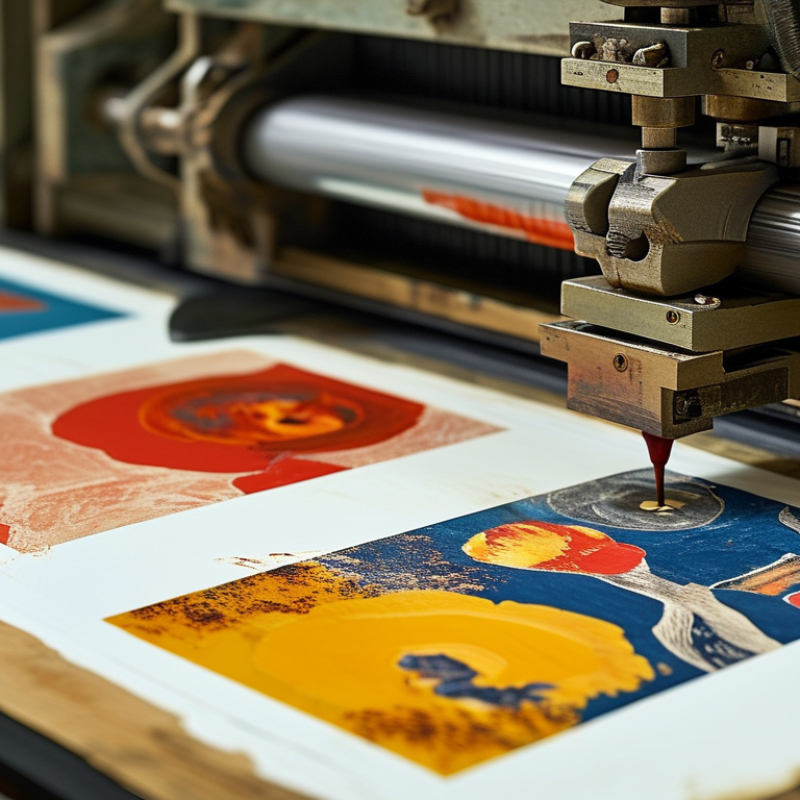
The process begins with the design of the print image, followed by the creation of the flexo plates. Each color in the design requires a separate plate. Once the plates are ready, they are mounted on a rotating cylinder. As the substrate moves, the ink is transferred from the plate onto the material. This setup allows for high-speed printing with vibrant colors and sharp images, suitable for long runs.
Despite its efficiency, flexo printing has challenges. Color consistency can sometimes be an issue, requiring careful monitoring during production. Additionally, the initial setup can be costly and time-consuming. Companies must weigh these factors against the benefits of high-quality, large-volume printing. Understanding these nuances is critical for anyone considering flexo printing for their business needs.
What is a Flexo Printer and How Does It Work?
| Feature | Description | Advantages | Applications |
| Printing Process | Uses flexible relief plates to transfer ink onto various substrates. | High speed, versatility in substrates, and eco-friendly inks. | Packaging, labels, newspapers, and corrugated containers. |
| Ink Types | Water-based, solvent-based, and UV-curable inks. | Adaptability to different materials and quick drying times. | Food packaging, flexible packaging, and labels. |
| Plate Material | Typically made from photopolymer or rubber. | Durability and ability to produce high-quality images. | High-quality labels, shrink sleeves, and flexible pouches. |
| Setup Cost | Initial costs can be high due to plate creation. | Cost-effective for large production runs. | Large volume production for consistent products. |
| Speed | Can print at very high speeds, making it efficient. | Increases productivity and reduces lead times. | Ideal for time-sensitive packaging projects. |
Key Components of a Flexo Printing Machine
Flexo printing is a highly efficient method used in packaging and labeling. Understanding the key components of a flexo printing machine is essential for comprehending its operation. One major component is the anilox roller, which transfers ink from the fountain to the printing plate. Studies show that using the right anilox roller can improve ink transfer by up to 50%. This means better print quality and reduced waste.
Another critical element is the printing plate. Flexo plates are typically made from photopolymer materials. These plates can hold fine details, enabling high-quality prints on various substrates. The advancement in plate technology has made it possible to achieve impressive line screens of up to 300 lines per inch. However, not all printers maximize this capability, leading to variability in print quality across different machines.
Additionally, the drying process plays a vital role. Flexo printers often use UV or water-based inks, which require specific drying systems. Research indicates that efficient drying systems can increase production speeds by 30%. Yet, many printers overlook maintaining these systems, potentially impacting overall output and efficiency. Balancing these components is crucial for leveraging the full potential of flexo printing technology.
How Flexo Printing Works: A Step-by-Step Process
Flexo printing is a modern process that is widely used for packaging and labels. The system uses flexible relief plates. These plates press ink onto various materials. Understanding this process can help demystify the technology behind it.
The first step in flexo printing involves creating the design. The artwork is then transferred to the flexible plate. This plate is usually made from rubber or photopolymer. After this, the plates are mounted on a cylinder, ready for printing. The ink used in flexo printing is quick-drying and can be solvent-based or water-based. Each color is applied in separate passes, allowing for vibrant and precise images.
For effective results, consider the printing substrate. Different materials can affect the quality of the print. Test prints can help identify issues early. Make adjustments to the colors and pressure settings to achieve optimal output. Flexo printing may seem straightforward, but attention to detail is paramount. Even slight misalignments can ruin a job. Regular maintenance of equipment also boosts reliability.
Quality control is essential at every stage. Spot-checking prints during the process can help catch potential problems. Flexo printing is not without challenges. Ink consistency and plate wear can impact the final product. Embracing these challenges can lead to improvements in efficiency and output quality.
Applications of Flexo Printing in Various Industries
Flexographic printing, often called flexo printing, has a wide range of applications across various industries. It is particularly known for its efficiency and versatility. Packaging is one of the leading sectors utilizing flexo printing. This method can easily print on different materials like plastic, paper, and metal. The adaptability allows manufacturers to produce vibrant packaging that attracts consumers. Flexo printing is commonly seen on food packaging, labels, and even newspapers.
Another significant application is in the production of wall coverings. Here, the clarity of the prints can greatly enhance interior aesthetics. Flexo's ability to produce large volumes efficiently makes it a preferred choice for wallpaper manufacturers. The process also supports eco-friendly practices, as it can use water-based inks. This aligns with the growing trend towards sustainability in home décor.
While flexo printing has many advantages, it also comes with challenges. Achieving precise color matching can sometimes be tricky. The quality of the final product might vary based on the substrate used. Operators need thorough training to ensure optimal results. Continuous improvement in techniques and designs remains a key focus for the industry.
Advantages and Disadvantages of Flexo Printing Technology
Flexo printing technology offers various advantages and disadvantages. This printing method is widely used in packaging and label production. One major advantage is its speed. Flexo presses can print at high speeds, reaching up to 600 feet per minute. This efficiency can significantly reduce production time. Another benefit is versatility. Flexo can print on a range of substrates, including plastic, paper, and foils, making it ideal for diverse applications.
However, there are disadvantages. The initial setup costs can be high. Creating a new plate for each design can require significant investment. Additionally, while flexo is known for vibrant colors, achieving color consistency across large runs can be challenging. A study by the Packaging Association indicated that up to 20% of flexo prints may require rework due to color mismatches. This can lead to wasted materials and increased costs.
It's essential to weigh these factors when considering flexo printing. The technology may not be the best fit for every project. Understanding the specific needs of a project is crucial for optimizing the benefits of flexo printing while minimizing its drawbacks.
Advantages and Disadvantages of Flexo Printing Technology