Essential Tips for Choosing Outdoor Switchgear for Your Needs?
Choosing the right outdoor switchgear for your project can be a daunting task. The outdoor switchgear market is growing rapidly, driven by the increasing demand for renewable energy sources. According to a recent report by MarketsandMarkets, the global outdoor switchgear market is projected to reach $36.5 billion by 2025, growing at a CAGR of 5.2%. This data underscores the significance of making informed decisions in this sector.
Industry expert, Dr. Emily Carter, emphasizes, "Understanding your unique requirements is crucial when selecting outdoor switchgear." Her insight highlights the importance of aligning your choice with specific operational needs. Factors such as voltage rating, insulation type, and environmental conditions are vital considerations. Failing to assess these properly can lead to costly downtimes or safety hazards.
Moreover, the variety of options available can be overwhelming. Different manufacturers offer different technologies and configurations. Therefore, it's essential to conduct thorough research. Comparing product specifications and consulting with experienced professionals in the field can lead to better outcomes. Ultimately, choosing the right outdoor switchgear can make a significant difference in the reliability and efficiency of power distribution systems.
Types of Outdoor Switchgear: Understanding Your Options
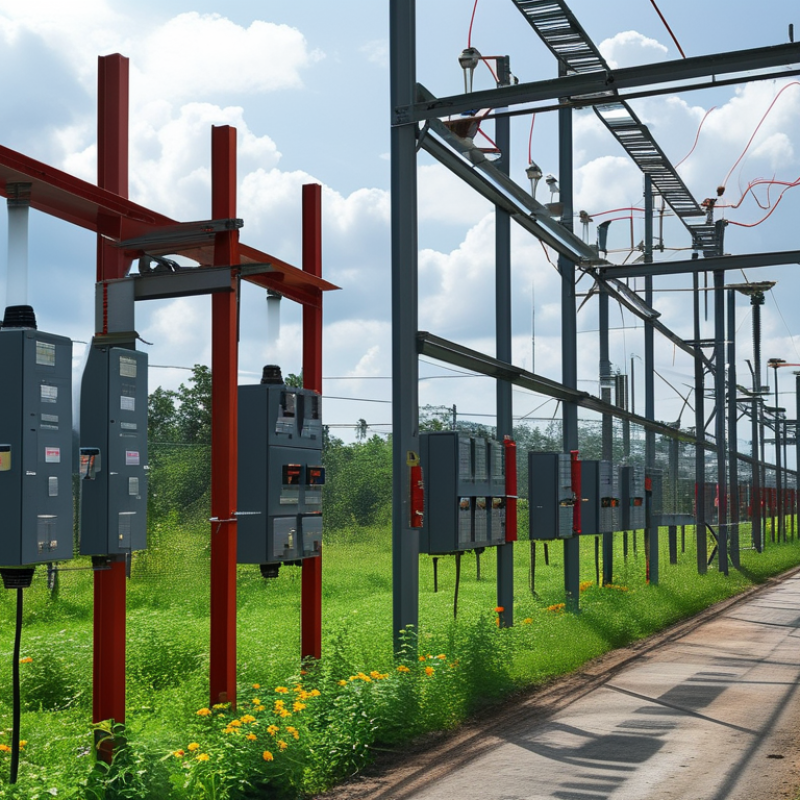
When selecting outdoor switchgear, it’s essential to understand the different types available. Outdoor switchgear primarily includes air-insulated and gas-insulated systems. According to a market research report by Allied Market Research, the global outdoor switchgear market is projected to reach $40 billion by 2027. This growth highlights the increasing focus on infrastructure reliability.
Air-insulated switchgear (AIS) is typically more economical. However, it requires larger installations and may not suit all environments. Gas-insulated switchgear (GIS) offers compact designs, ideal for urban areas with limited space. Each type has its unique advantages and drawbacks, making it crucial to assess your specific needs.
Tips: Assess the environmental conditions where the switchgear will be installed. Humidity, salt, and temperature fluctuations can impact performance. Moreover, consider the total lifecycle cost. This includes installation, maintenance, and potential upgrades. A poor choice can lead to higher long-term expenses.
Making an informed decision involves balancing various factors. Look beyond initial costs. Ensure you factor in operational efficiency and reliability. Historical performance data from industry studies suggests that strategic investment in quality switchgear minimizes downtime and enhances safety.
Key Factors to Consider for Outdoor Switchgear Selection
When selecting outdoor switchgear, several key factors must be considered. The environmental conditions where the switchgear will be installed are crucial. Think about temperature ranges, humidity levels, and exposure to elements. These factors influence the materials and designs suitable for your project. Ensuring resistance to corrosion is vital, especially in coastal areas.
Another essential aspect is the voltage and current ratings of the switchgear. It must match your specific application requirements. Incorrect ratings can lead to equipment failure or safety hazards. The layout and space availability for installation also play a significant role. A compact design might be necessary for limited space, while larger systems may allow for more flexibility.
Don't overlook the importance of maintenance access. Regular inspections and maintenance are essential for safety and longevity. Sometimes, achieving optimal performance requires more thought than anticipated. Consider long-term reliability and potential future expansions. Understanding these factors will significantly impact your decision-making process. Choosing wisely can prevent costly mistakes down the line.
Environmental Considerations for Outdoor Switchgear
When selecting outdoor switchgear, environmental considerations are paramount. The equipment must withstand extreme weather conditions and resist corrosion. For instance, equipment installed in coastal areas is particularly vulnerable to saltwater exposure. According to a report by the International Energy Agency, over 40% of energy losses are attributed to outdoor switchgear failures due to environmental factors. This emphasizes the need for robust design.
Temperature variations also play a crucial role. A National Renewable Energy Laboratory study revealed that heat can significantly impact the lifespan of switchgear components. Proper thermal management design is essential to mitigate this risk. Additionally, outdoor switchgear must comply with local environmental regulations, ensuring minimal impact on surrounding ecosystems. Choices in materials, such as using recyclable components, can enhance sustainability.
Consideration of these factors may lead to higher upfront costs. However, investing in reliable, durable switchgear can yield savings over time. The reduced need for maintenance and replacements offers long-term financial benefits. Evaluating environmental resilience is not a one-off task. Continuous monitoring of performance and environmental impact is necessary to ensure ongoing reliability and efficiency.
Essential Tips for Choosing Outdoor Switchgear for Your Needs - Environmental Considerations for Outdoor Switchgear
| Parameter | Consideration | Description |
| Environmental Rating | IP Rating | Ensure the switchgear has a suitable IP rating for water and dust protection. |
| Cooling Requirements | Heat Dissipation | Consider the thermal management to prevent overheating in high ambient temperatures. |
| Material Selection | Corrosion Resistance | Choose materials that resist corrosion, especially in harsh environments. |
| Maintenance | Accessibility | Ensure that components are easily accessible for routine maintenance and repairs. |
| Environmental Impact | Sustainability | Consider the lifecycle and potential environmental impact of materials used. |
| Safety Standards | Compliance | Verify compliance with international safety standards for electrical equipment. |
Safety Standards and Regulations for Outdoor Switchgear
When selecting outdoor switchgear, understanding safety standards and regulations is critical. The National Electrical Code (NEC) and various international standards outline essential safety requirements. For example, equipment must withstand environmental stresses like UV exposure and moisture. According to a 2021 industry report, 40% of switchgear failures were due to inadequate protection against the external environment. This underscores the need to ensure that the chosen switchgear meets or exceeds these standards.
Regulations also mandate thorough testing of outdoor switchgear. Equipment must undergo rigorous processes such as dielectric testing and thermal analysis. Without these tests, users risk serious safety failures. A report by the Institute of Electrical and Electronics Engineers (IEEE) highlighted that installations failing to comply with safety regulations had a 30% higher chance of experiencing operational failures.
Moreover, electrical safety protocols dictate regular maintenance checks. The absence of a solid maintenance schedule can lead to oversight. This is often where reliability issues arise. Professionals suggest developing a checklist based on local codes to ensure compliance. Ignoring these regulations can lead to disastrous consequences. Always prioritize safety over initial cost savings.
Maintenance and Longevity of Outdoor Switchgear
Outdoor switchgear is crucial for electrical distribution. To ensure longevity, routine maintenance is essential. Regular inspections can identify wear and tear on components. This helps avoid costly breakdowns. Keep an eye on connections and insulation. Corrosion can compromise reliability.
Weather exposure can also impact performance. Dust and moisture may create problems. It's vital to implement protective measures. Cleaning and insulating materials can prevent deterioration. Schedule maintenance checks at least once a year. Over time, environmental factors can degrade switchgear reliability.
Consider the layout and access for maintenance. Tight spaces can complicate repairs. Adequate space ensures technicians can work efficiently. Plan for potential upgrades as technology evolves. Outdated switchgear may require more effort to maintain. Investing time in proper upkeep pays off long-term. Avoiding neglect can enhance device life significantly.
Essential Tips for Choosing Outdoor Switchgear
Understanding the durability and maintenance requirements of various types of outdoor switchgear is crucial for ensuring longevity and efficiency in electrical systems. The chart below illustrates the average lifespan and maintenance frequency of different outdoor switchgear types.