What is a Drain Cleaning Machine and How Does It Work?
Drain Cleaning Machines play a critical role in maintaining plumbing systems. These machines are essential for clearing clogs and blockages, ensuring optimal drainage in residential and commercial properties. According to the 2022 Plumbing Industry Report, over 30% of plumbing issues stem from severe blockages, making effective drainage solutions indispensable.
John Thompson, a recognized expert in the drain cleaning field, states, "Investing in the right drain cleaning machine can save time and reduce long-term costs." His insight underscores the importance of choosing a reliable machine for preventative maintenance. These machines vary in design and capability, from handheld models to powerful commercial-grade machines.
However, not all machines are created equal. It’s crucial to assess the specific needs of your plumbing system. Improper use or selection of a drain cleaning machine can lead to further damage. Therefore, understanding how these machines work is key to maximizing their effectiveness and reliability.
What is a Drain Cleaning Machine?
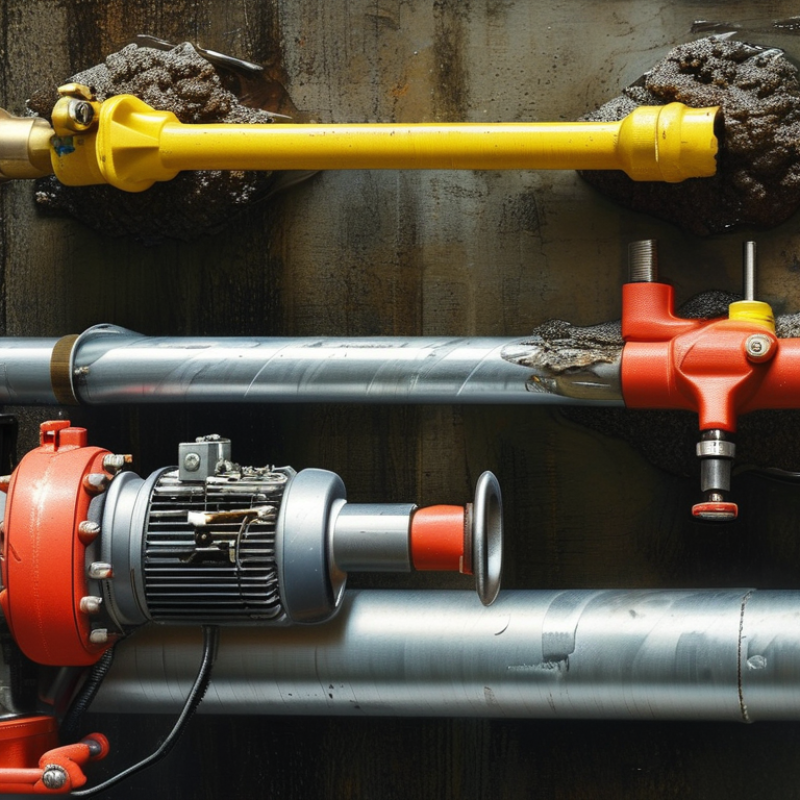
A drain cleaning machine is a powerful tool used to clear blockages in pipes. It is often utilized by plumbers and maintenance professionals to ensure smooth drainage. These machines use various methods to remove debris, grease, and tree roots that may obstruct water flow.
Typically, a drain cleaning machine features a long, flexible cable with a specialized cutting head. When the machine is activated, the cable spins and pushes through the blockage. The cutting head grinds away the clog, allowing waste to flow freely again. These machines can tackle tough clogs, restoring function to sinks, toilets, and sewer lines efficiently.
Using a drain cleaning machine requires training and precautions. Improper use can damage pipes or cause injuries. Understanding the specifics of how to operate the machine is essential. Even with proper training, unexpected challenges may arise during a cleaning job. Each situation requires critical thinking and adaptability, highlighting the need for experience in this field.
Types of Drain Cleaning Machines Available
Drain cleaning machines are essential tools for maintaining plumbing systems. They come in various types, each designed for specific tasks. Understanding these types can help you choose the right machine for your needs.
One common type is the electric drain snake. This machine uses a rotating wire coil to remove clogs. It is effective for small to medium blockages, removing hair and grease in residential systems.
Another popular choice is the hydro jetter. This machine sprays high-pressure water to clear debris. The hydro jetter can remove stubborn blockages and buildup in larger pipes.
Interestingly, a report from the National Association of Drain Cleaning Professionals indicates that more than 80% of plumbing issues can be resolved with proper machine use. However, just because a machine is available doesn’t mean it is universally effective. Each situation may require a different approach.
Tips: Before using any drain cleaning machine, always read instructions carefully. Clearing drains can be messy. Wear gloves and protective eyewear. If you're unsure about a blockage, consult with a professional. They can assess whether a machine is the best solution. Improper use can damage pipes. Always proceed with caution.
How Drain Cleaning Machines Function Mechanically
A drain cleaning machine is a vital tool for maintaining plumbing systems. It uses specific mechanisms to tackle stubborn clogs. These machines often have motorized cables that extend into the pipes. As the cable moves, it breaks up blockages and clears debris. This action restores smooth water flow.
Mechanically, most machines function by rotating a flexible cable. At the end of this cable, various attachments can be fitted. For instance, a cutting tool can slice through roots or grease buildup. The rotation creates friction, allowing the cable to navigate bends in the pipes effectively. This precise engineering ensures that even hard-to-reach clogs can be addressed without extensive digging or damage.
Tips: Regular maintenance can prolong the life of your drain cleaning machine. Avoid using harsh chemicals, as they can cause wear and tear on the equipment. If you encounter an exceptionally tough clog, it’s okay to seek professional help, ensuring the safety of your plumbing system. Remember, not every situation requires a heavy-duty approach; sometimes, a simple solution can be more effective.
Common Uses and Applications of Drain Cleaning Machines
Drain cleaning machines serve various purposes in both residential and commercial settings. Often, they are essential tools for plumbers and maintenance professionals. These machines efficiently remove blockages caused by grease, roots, and debris. They ensure that drainage systems function properly, which can save property owners from expensive repairs.
In homes, drain cleaners are commonly used for sinks and bathtubs. Over time, soap scum and hair can cause clogs. Using a drain cleaning machine can clear away these obstructions quickly.
In commercial settings, such as restaurants, grease buildup is more common. A powerful machine can swiftly tackle these challenges, maintaining workplace safety and hygiene. However, not every job requires such equipment. Assessing the blockage severity is crucial.
Accessibility can be a challenge too. In some situations, machines may not fit, making manual methods necessary. These experiences highlight the need for constant learning and adapting. Drain cleaning is not just about equipment; it’s also about knowing when and how to use it effectively. This skill becomes invaluable over time, reflecting both practice and expertise in the field.
Tips for Operating and Maintaining Drain Cleaning Machines
Operating drain cleaning machines requires attention and care. Proper training is essential for effective use. According to industry reports, improper usage accounts for over 20% of equipment failures. Familiarize yourself with the machine's functions. Each component serves a specific purpose.
Regular maintenance is crucial. Cleaning components after each use prevents debris buildup. Experts recommend performing a thorough inspection monthly. Look for wear and tear signs. This ensures equipment longevity and optimal performance. Neglecting maintenance can lead to costly repairs, as up to 30% of repairs stem from lack of care.
Always follow safety protocols. Wearing protective gear is vital. Misuse can lead to injuries or damage. Around 15% of operators report accidents due to oversight. Stay alert and focused while operating the equipment. Continuous education on best practices is beneficial. New techniques and safety measures emerge frequently in the industry.