What is CNC Metal Machining Benefits and Applications?
CNC metal machining is a cornerstone of modern manufacturing, impacting numerous industries. According to a report by Grand View Research, the CNC machining market is expected to reach $117.7 billion by 2027, growing at a compound annual growth rate of 6.5%. This surge in demand highlights its significance in precision engineering. The CNC metal process allows for intricate designs and high-quality finishes, making it ideal for aerospace, automotive, and medical sectors.
Despite its advantages, some challenges remain. The initial costs for CNC machining setups can be high. Additionally, skilled operators are essential for maintaining quality control. Reports from the Association for Manufacturing Technology suggest that the shortage of skilled labor could hinder growth. Therefore, companies must invest in training and development to harness the full potential of CNC metal technologies.
CNC metal machining not only boosts productivity but also promotes sustainability. Efficient resource use reduces waste. However, achieving this balance demands continuous improvement and adaptation in practices. Embracing new methods and technologies can lead companies toward a more sustainable future.
Understanding CNC Metal Machining: An Overview of the Process
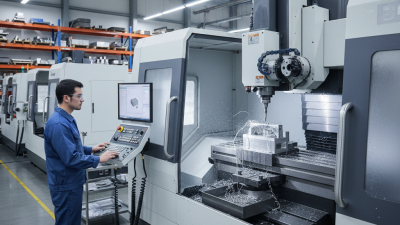
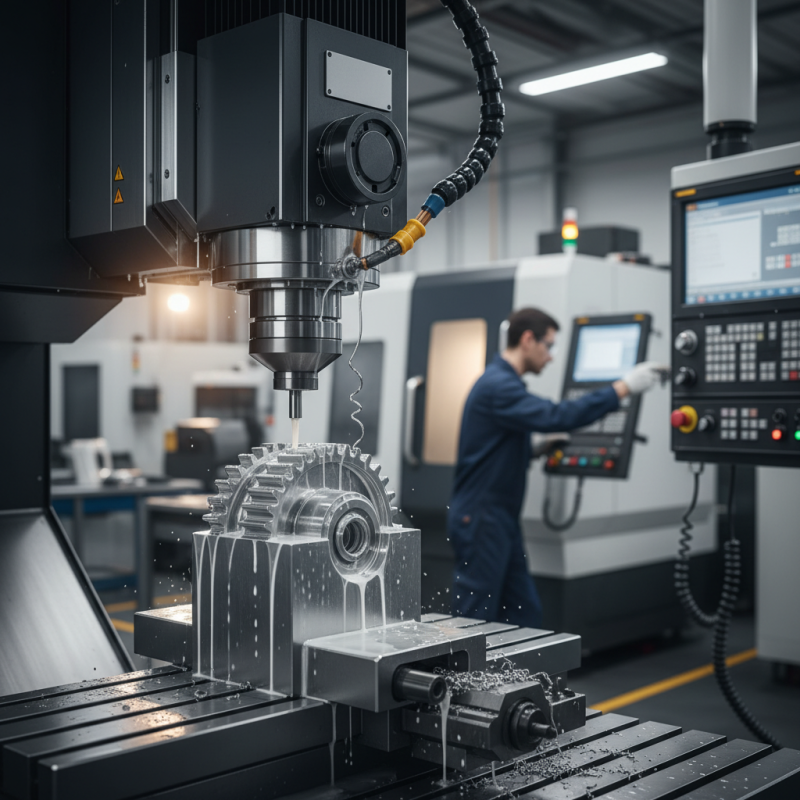
CNC metal machining is a precise manufacturing process that utilizes computer-controlled machines to shape metal into desired forms. This technique has transformed various industries, offering increased accuracy and efficiency. Operators program CNC machines to execute complex designs automatically. This eliminates the need for extensive human intervention. Such automation not only enhances productivity but also reduces the likelihood of human error.
The applications of CNC metal machining are vast. Industries like aerospace, automotive, and medical benefit greatly from this advanced technology. For example, CNC machines can create intricate components for aircraft, ensuring safety and reliability. However, integrating such technology also poses challenges. Operators must maintain machines and keep software updated. This requires training and a deep understanding of the systems involved.
Despite the benefits, quality control remains a critical concern. Even small discrepancies in machining can lead to significant issues down the line. Regular inspections and maintenance are essential to uphold accuracy. Companies must balance investment in technology with ongoing employee education to maximize the advantages CNC machining offers. The learning curve can be steep, posing potential hurdles that must be addressed for successful implementation.
Key Benefits of CNC Metal Machining in Various Industries
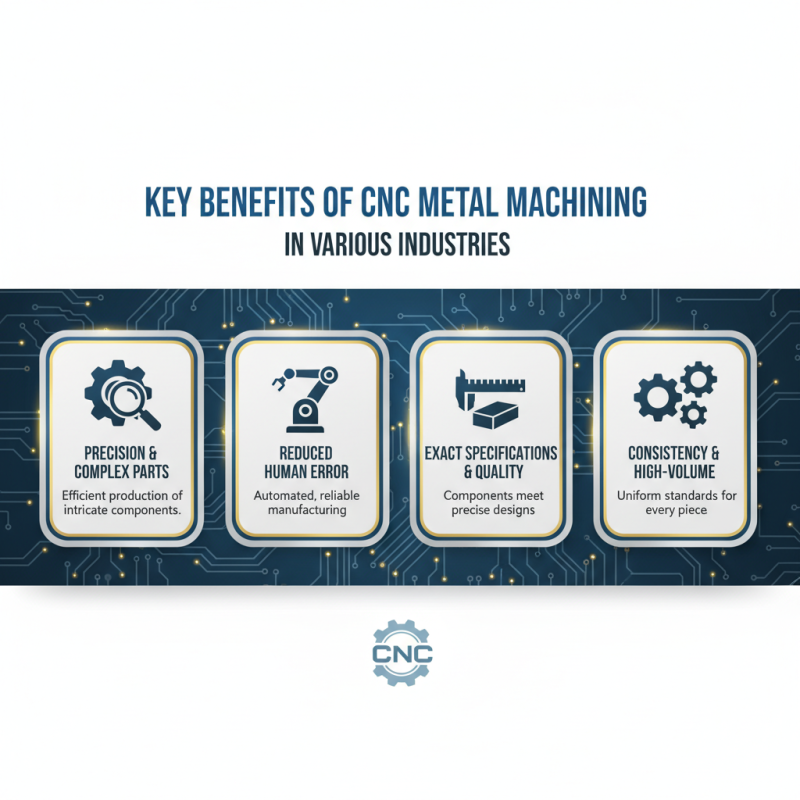
CNC metal machining has become vital in various industries. Its precision allows for the efficient production of complex parts. This technology reduces human error in manufacturing. Components are designed and produced with exact specifications, which enhances quality. Consistency is key in high-volume production, ensuring each piece meets the same standards.
In aerospace, CNC machining is crucial for safety-critical components. Parts need to endure extreme conditions, requiring meticulous engineering. In the automotive sector, this technology streamlines the production of engine components and chassis parts. Automated processes speed up manufacturing time while maintaining high quality. However, some may argue that initial setup costs can be high.
Healthcare also benefits significantly from CNC metal machining. Surgical tools and implants need precise dimensions for functionality. Customization is easier, providing tailored solutions for patients. Yet, the need for skilled operators remains a challenge. Balancing automation with human expertise fosters a reliable production process. This ongoing dialogue about technology and craftsmanship is important for future developments.
Common Applications of CNC Metal Machining in Modern Manufacturing
CNC metal machining has become integral to modern manufacturing. It provides precise cutting, shaping, and finishing of metal parts. Among its diverse applications, the automotive industry stands out. Car manufacturers utilize CNC machining to create complex components like engine blocks and transmission parts. This process ensures high accuracy and repeatability, crucial for vehicle safety and performance.
Another common application is in the aerospace sector. Here, CNC machining is employed to manufacture lightweight yet strong components. Parts like
brackets, frames, and landing gear benefit from the precision offered by CNC techniques. However, the reliance on this technology can lead to challenges. For instance, there can be unexpected costs during the programming phase, which might not be apparent upfront.
CNC machining also finds use in
medical device production. Surgical instruments, implants, and custom prosthetics require exact specifications. However, the need for specialist knowledge can create hurdles. Not every manufacturer can meet the stringent requirements for quality and safety. This highlights the importance of expertise in the CNC machining process.
Comparing CNC Machining with Traditional Metal Machining Methods
CNC machining has made significant strides in comparison to traditional metal machining methods. A key advantage is precision. CNC machines offer tolerances of up to ±0.001 inches, while traditional methods can vary from ±0.005 inches to ±0.015 inches. This accuracy is crucial in industries such as aviation and medical devices, where even the smallest error can lead to failures.
Additionally, CNC machining significantly reduces human error. Traditional machining relies heavily on skilled operators. Operators can tire, leading to inconsistencies in product quality. A study published by the National Institute of Standards and Technology revealed that CNC machining leads to a 50% increase in consistency compared to manual methods. This aspect enhances productivity and reduces costs.
Another aspect to consider is the flexibility of CNC machining. It can create complex designs, which are often impossible with traditional methods. This capability is vital in designing intricate parts for industries like automotive and electronics. However, the initial setup cost of CNC machinery can be high, posing a barrier for some smaller manufacturers. This presents a challenge that needs addressing for broader adoption.
Future Trends and Innovations in CNC Metal Machining Technology
The future of CNC metal machining is rapidly evolving. Industry reports show a projected growth rate of 7.5% annually over the next five years. This surge highlights the increasing demand for precision parts in sectors like aerospace and automotive. Innovations in CNC machining technology, such as advanced automation and AI integration, are key drivers of this change.
One notable trend is the rise of additive manufacturing linked with CNC. This hybrid approach can enhance efficiency and reduce waste. However, challenges remain, including the need for skilled operators and high initial investment costs. Many companies are also exploring the benefits of IoT integration for real-time monitoring and predictive maintenance. Such advancements can prevent costly downtime and improve overall production quality.
Experts believe that increasing sustainability awareness will shape future innovations. As regulations tighten, businesses must adapt to eco-friendly processes. There's also a pressing need to address the skills gap in the workforce. Companies are encouraged to invest in training and development to prepare for these shifts. In conclusion, while the future holds great promise, it also demands careful consideration of practical challenges.
Growth of CNC Metal Machining Applications over the Years
The chart above illustrates the market share of various applications of CNC metal machining. As the industry continues to innovate, we can expect growth in sectors like automotive and aerospace, reflecting the expanding role of CNC technology in different sectors.