What is CNC Metal Machining and How Does it Work?
CNC metal machining is a groundbreaking technology in manufacturing. It uses computer-controlled machines to shape metal with precision. This process ensures high accuracy and repeatability, setting it apart from traditional methods.
The CNC metal machining process involves several steps, including designing the part on CAD software and converting that design into a CNC program. Machines then execute these instructions, cutting, milling, or drilling metal to create the desired shapes. The versatility of CNC machines allows them to work with various metals, from aluminum to stainless steel, offering endless possibilities for industries.
Despite its advantages, CNC metal machining isn't without challenges. Each machine requires regular maintenance, which can be costly. Operators need specialized training to avoid errors that could lead to waste. Therefore, while CNC metal technology offers efficiency and precision, it demands careful consideration and skilled attention.
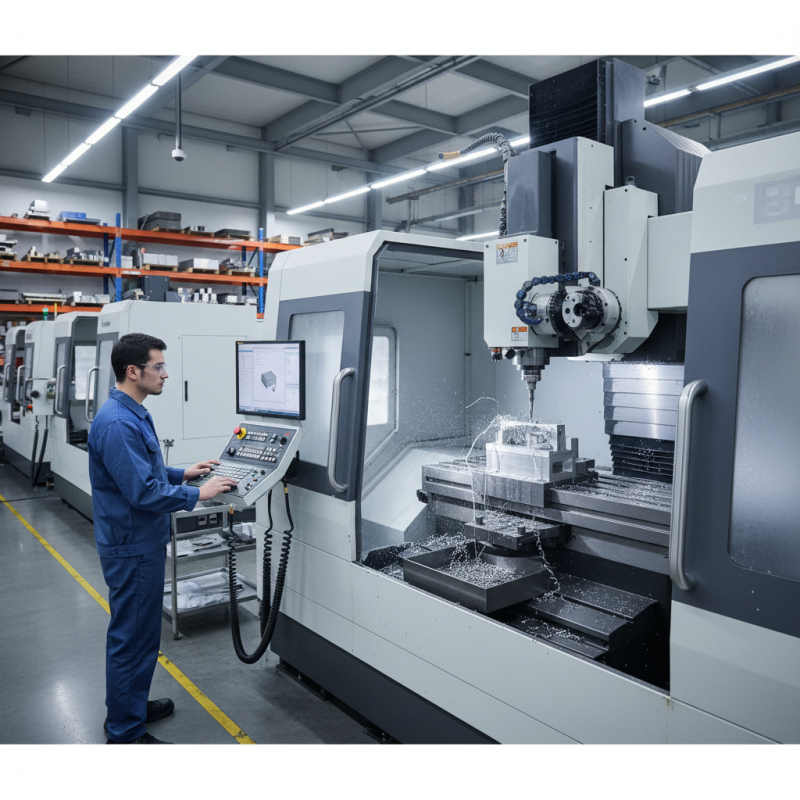
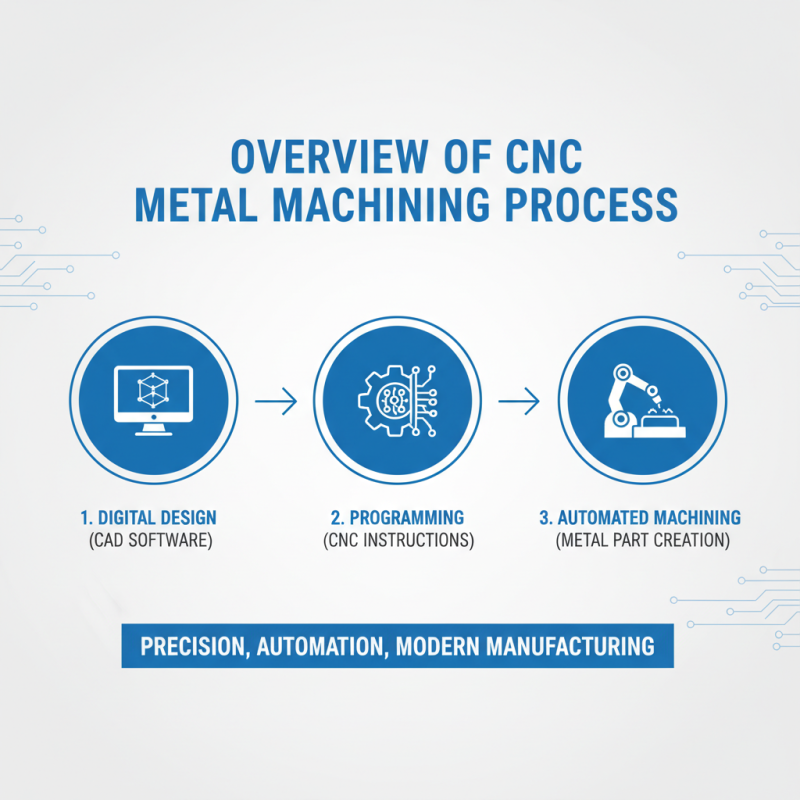
Overview of CNC Metal Machining Process
CNC metal machining is a vital process in modern manufacturing. It involves using computer numerical control (CNC) technology to automate the machining of metal parts. The process begins by designing a digital model of the component. Engineers use CAD software to create precise specifications. This digital blueprint guides the CNC machine as it works.
Once the design is ready, technicians load the necessary metal material into the machine. Common metals include aluminum, steel, and titanium. The machine then reads the design file and begins cutting, drilling, or milling the material. Each step is executed with accuracy, often up to a thousandth of an inch. However, human oversight is crucial. Mistakes can happen during programming or setup. Regular checks help prevent costly errors.
The CNC machining process is not just about speed. It also emphasizes repeatability. A well-calibrated machine can produce hundreds of identical parts with minimal variance. However, managing tool wear and other variables is challenging. Each batch of parts needs monitoring to ensure consistent quality. This balancing act of precision and vigilance is key to successful CNC machining.
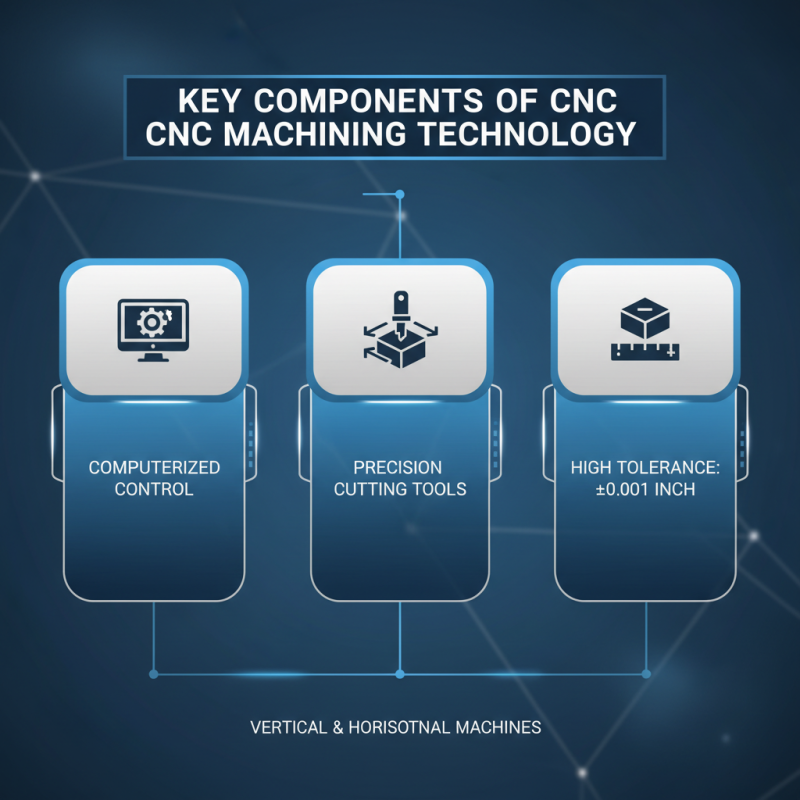
Key Components of CNC Machining Technology
CNC machining technology relies on several key components that drive its effectiveness in metal manufacturing. At the core is the CNC machine itself, which utilizes a computer to control precise movements of cutting tools. These machines can be vertical or horizontal, depending on the design requirements. According to industry reports, CNC machines can achieve tolerances of ±0.001 inches, making them ideal for industries demanding high precision.
Another critical component is the software used for programming. CAD (Computer-Aided Design) and CAM (Computer-Aided Manufacturing) software enable designers to create detailed plans that the CNC machine can interpret. Recent studies indicate that integrating advanced software can improve machining efficiency by up to 50%. However, the complexity of these systems can lead to errors if not managed properly. Misalignment or programming mistakes can result in significant material waste, raising costs and impacting production timelines.
Cutting tools and materials are also vital. High-speed steel and carbide tools are commonly used, as they provide durability and effectiveness. Techniques such as tool path optimization can enhance performance, but improper tool selection can lead to subpar results. Balancing tool life with cutting speeds is essential yet challenging, reflecting the nuanced decisions engineers face in CNC machining. The intricate components of CNC technology illustrate its potential, but careful consideration is necessary for successful implementation.
Types of CNC Machining Techniques Used for Metals
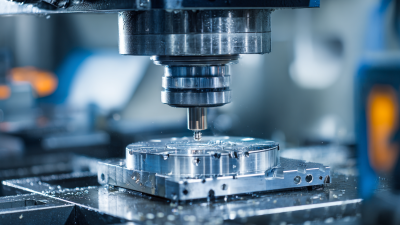
CNC machining techniques for metals are diverse, each tailored for specific applications. One key method is CNC milling, where rotating tools cut into the metal to create precise shapes. This technique excels in producing complex geometries with tight tolerances.
CNC milling is often favored for its flexibility in handling various materials and designs.
Another significant technique is CNC turning. Here, the metal workpiece rotates while stationary cutting tools shape it. This method is highly efficient for cylindrical parts, especially in large production runs. Turning can reveal unique features like threads or grooves, which adds value to the final product.
Laser cutting is also an essential technique in CNC machining. It employs focused laser beams to slice through metal sheets with high accuracy. This method minimizes kerf and waste, providing clean edges and detailed patterns. However, it requires careful setup and maintenance.
Each technique has its advantages and challenges, reflecting the complexity of CNC metal machining.
Step-by-Step Workflow of CNC Metal Machining
CNC metal machining is a precise process to shape metal components. The workflow is methodical and requires careful planning. Each step contributes to the accuracy and quality of the final product.
The first step is design. Engineers create a 3D model using CAD software. This model defines the geometrical aspects of the part. Once the design is complete, it is converted into numerical code. This code guides the CNC machine, translating the design into commands for cutting tools.
Next comes the setup. The machine is calibrated, and the metal workpiece is securely fixed in place. This step is crucial for precision. Operators must ensure that everything is aligned correctly. This alignment affects the final outcome.
During machining, tools cut into the metal based on the programmed instructions. This step requires constant monitoring. Adjustments may be necessary if the machine drifts from specifications.
Finally, post-processing occurs. Parts are cleaned, inspected, and often undergo additional finishing. This ensures that the components meet required tolerances. Challenges may arise during each stage. Operators must troubleshoot issues without compromising quality. This hands-on experience deepens expertise and sharpens skills.
Applications and Industries Using CNC Metal Machining
CNC metal machining plays a pivotal role across various industries. Its precision and efficiency make it a favored choice for manufacturing critical components. Automotive, aerospace, and medical sectors are prime examples of industries leveraging CNC technology. In automotive manufacturing, CNC machines create intricate engine parts, ensuring reliability and performance.
The aerospace industry also benefits greatly from CNC machining. Aircraft components require strict adherence to safety standards. CNC machining provides the accuracy necessary for these vital parts. Beyond these, the medical field utilizes CNC for creating surgical instruments. The exactness in machining enhances the quality of healthcare tools.
However, challenges exist in the CNC machining process. The initial setup cost can be high. Managing machine maintenance requires skilled personnel. Additionally, varied material characteristics can impact machining results. A deeper understanding of material properties is essential for better outcomes. Despite these hurdles, the advantages of CNC metal machining remain significant. Each industry rapidly evolves, revealing new applications and innovations that continuously shape the future of manufacturing.