What is Cnc Machining and How Does It Benefit Your Business?
CNC machining has rapidly transformed the manufacturing landscape. This advanced technology enhances precision and reduces waste. According to a report by Grand View Research, the CNC machining market is expected to reach $117.93 billion by 2028. This growth reflects its increasing importance in various industries.
Expert in the field, Dr. Emily Zhao, emphasizes, "CNC machining is not just about efficiency; it's about redefining possibilities in manufacturing." Many businesses struggle with outdated processes, which can stifle innovation. CNC machining stands as a solution, offering both flexibility and precision. By integrating CNC, companies can streamline operations and boost production speeds.
Industries that adopt CNC machining experience significant advantages. They can produce intricate designs with fewer errors, thereby saving on costs. However, the transition to CNC technology poses challenges. Initial investments and training can be daunting for some firms. Yet, the long-term benefits of efficiency and accuracy often outweigh these initial hurdles.
What is CNC Machining?
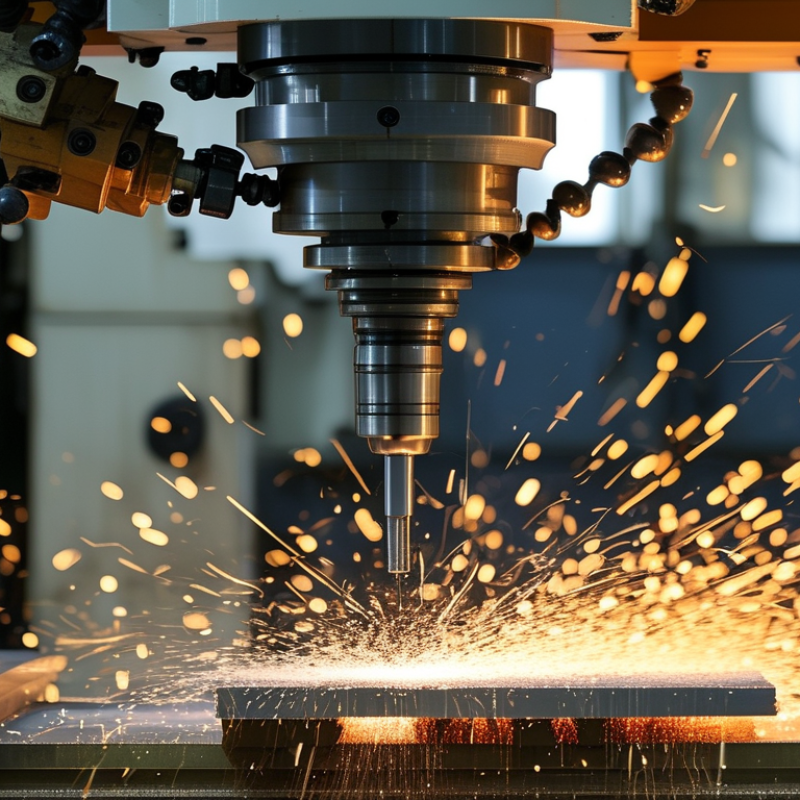
CNC machining, or Computer Numerical Control machining, is a manufacturing process that utilizes computers to control machine tools. This method enhances precision and efficiency in production. By using CAD (Computer-Aided Design) software, businesses can create detailed models and specifications for their products. This technology allows for intricate designs, which manual methods cannot achieve consistently. The integration of CNC machines into manufacturing leads to improved product quality.
For those considering CNC machining, it's essential to ensure proper programming and machine setup. Common mistakes can occur in the initial stages, leading to production delays or defects. Testing the machine with prototypes can help identify issues early. Regular maintenance of CNC equipment is also crucial. Machines that are not maintained may experience breakdowns, causing unexpected delays.
When implementing CNC machining, analyze the costs carefully. Initial investments can be high, but the long-term benefits often outweigh these expenses. Evaluate your production needs and consider whether CNC machining aligns with your business goals. Pay attention to the learning curve associated with this technology. Staff training will likely be necessary to maximize the benefits of CNC machining, ensuring that your team can effectively use and manage the equipment.
The History and Evolution of CNC Machining
CNC machining has a rich history that dates back to the 1940s. It began as a method to enhance precision in manufacturing. Originally, it relied on punched cards for programming. Over the decades, this method evolved significantly. The introduction of computers transformed CNC machining into a highly automated and efficient process. This evolution greatly enhanced the ability to produce complex parts accurately.
Tips: Understanding the history of CNC machining can help you appreciate its advancements. Knowing these changes can guide better business choices today.
From its roots in manual tools to high-tech machinery, CNC has made manufacturing faster and more precise. This technology provides flexibility in design, which was once a limitation. As capabilities grew, so did its applicability across industries like aerospace and automotive. Each new advancement brought more automation, streamlining production.
Tips: Rethink your workflows by integrating CNC machining. Embrace these advancements to stay competitive in the market.
While CNC technology offers many benefits, challenges persist. Skill gaps exist among operators who may not fully understand complex systems. Additionally, costs for advanced CNC machines can be quite high, posing a barrier for some businesses. Awareness of these issues can foster informed decisions in adopting CNC solutions.
What is Cnc Machining and How Does It Benefit Your Business? - The History and Evolution of CNC Machining
| Aspect | Details |
|---|---|
| Definition | CNC machining is a manufacturing process that uses computer-controlled tools to create precise parts and components. |
| Origin | CNC technology emerged in the 1940s and 1950s, evolving from earlier machine control technologies. |
| Key Benefits | Increased precision, higher efficiency, and reduced manufacturing time. |
| Applications | Used in industries such as automotive, aerospace, medical, and consumer goods. |
| Technological Advancements | Integration of 3D printing and robotics for enhanced capabilities. |
| Future Trends | Increased automation, smart manufacturing, and the use of artificial intelligence. |
How CNC Machining Works: The Process Explained
CNC machining is a highly precise manufacturing process. It utilizes computer-controlled machines to create complex parts from various materials. The process starts with a digital design, often created using CAD software. This digital blueprint controls the machinery to cut, mill, and shape materials like metals, plastics, or composites. According to a report from Grand View Research, the global CNC machining market is expected to reach $100 billion by 2025, highlighting its growing importance in industries ranging from aerospace to healthcare.
The CNC machining process involves several key steps. Initially, the material is secured on the machine. Then, the CNC machine reads the CAD design to execute the cuts accordingly. This ensures high accuracy and detail, often within tolerances of just a few micrometers. With automated systems, production speed increases significantly, reducing labor costs. However, maintenance of these machines is crucial, as even minor malfunctions can lead to costly production delays.
While CNC machining offers numerous advantages, it isn’t without its challenges. The initial setup costs can be high, and training operators is essential for optimal performance. Data from Statista indicates that 53% of manufacturers cited skill shortages as a hurdle in adopting advanced machining technologies. Focusing on continuous improvement in operator skills and equipment updates can mitigate these challenges.
CNC Machining Benefits for Businesses
This chart illustrates the key benefits of CNC machining for businesses. Each bar represents the effectiveness of CNC machining in different aspects such as cost efficiency, speed, precision, material versatility, and scalability.
Key Benefits of CNC Machining for Businesses
CNC machining revolutionizes manufacturing processes. It utilizes computer-controlled tools to shape materials with high precision. This method offers numerous benefits, making it an attractive choice for businesses.
One key advantage of CNC machining is efficiency. Once programmed, machines can operate continuously, reducing production time. This consistency leads to lower labor costs and quicker turnaround times. Yet, challenges do arise. Setting up CNC machines can require a steep learning curve and significant initial investment. Not every business is ready for this transition.
Another benefit is the ability to create complex designs. CNC machines can produce intricate parts that manual processes may struggle with. This capability helps companies meet specific customer needs and push design boundaries. However, while achieving such precision, companies must ensure quality control measures are in place. Defects can occur if oversight is lacking. Balancing automation with human expertise is crucial for maintaining high standards.
Applications of CNC Machining Across Various Industries
CNC machining is widely used in various industries due to its precision and efficiency. In aerospace, for example, CNC machines create complex components with tight tolerances. Parts like turbine blades and engine mounts require exceptional accuracy, which these machines provide. This ensures that safety standards are met while optimizing performance.
The automotive sector also benefits significantly. CNC machining produces parts like gears and brackets, enhancing vehicle assembly. This process minimizes waste and reduces production time. However, a common challenge is the initial setup cost. Businesses must weigh these costs against long-term gains.
Manufacturing industries are not the only ones leveraging CNC technology. The medical field relies on it for implants and surgical tools. Customization is crucial here. Each patient may require a unique solution. While CNC can meet these demands, it raises questions about standardization and the importance of quality control.
In sum, CNC machining supports diverse applications across industries. The technology offers unmatched precision, but the trade-offs must be considered carefully.
Article Source:
Let's Build Together
Contact Us: Call 435-563-3503
-OR- Fill in the form below and we will call you back.