How to Choose Tungsten Tiles for Your Project?
Tungsten Tiles are chosen for demanding projects where density, compact dimensions, and reliable performance matter. The USGS Mineral Commodity Summaries 2024 estimates global tungsten mine production at about 78,000 metric tons in 2023, with China as the leading producer. This supply context matters: availability, lead times, and material pricing can shift. Yet a global production figure cannot tell you whether a particular tile will suit your design.
Start with the job the tile must do. For radiation shielding, compare required attenuation, tile thickness, density, and the energy range involved; involve a qualified radiation-protection specialist when calculating performance. For wear or high-temperature service, check the operating temperature, contact conditions, and exposure to moisture or chemicals. Pure tungsten has a density of about 19.3 g/cm³, but commercial tiles may be tungsten heavy alloys. Their binders and manufacturing routes affect the final properties. Ask suppliers for material certificates, dimensional tolerances, and test data. Details matter.
Then consider fit and installation. A tile that is too thick can disrupt clearances; a poor edge finish can complicate assembly. Confirm dimensions, flatness, surface condition, fastening method, and compatibility with nearby materials. Request a sample or drawing review before ordering a production quantity. Compare total project cost, not just price per tile, including machining, shipping, inspection, and replacement access. That sounds straightforward, but it isn’t. Supplier claims still need verification. A careful specification makes selection more dependable, though no checklist can replace testing under real operating conditions.
What Tungsten Tiles Are and Where They Are Used
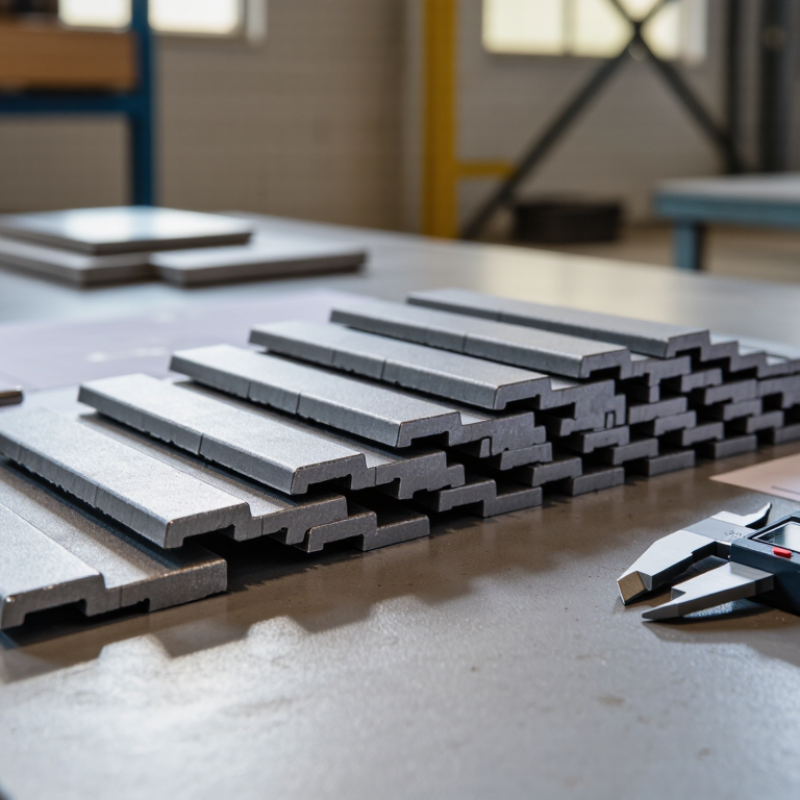
Tungsten tiles usually refer to cemented tungsten carbide tiles, not blocks of pure tungsten. They contain hard tungsten carbide grains held together by a metal binder, often cobalt. The exact composition varies by grade. That distinction matters. These tiles are valued for resisting abrasion, so they can protect surfaces exposed to sliding grit and repeated wear. They are dense and very hard, but hardness does not make them indestructible. A sharp impact can chip an edge or crack a tile.
Common uses include liners for material chutes, hoppers, and pipes that carry abrasive powders or mineral particles. Tiles also protect parts of industrial mixers and equipment used in aggregate, mining, and ceramic processing. Picture gravel scraping along a chute day after day: a properly fitted tile can help limit wear on the steel underneath. In practice, fit and support matter as much as material choice. Gaps, uneven backing, or poor alignment may create stress points. Tile dimensions, attachment method, operating temperature, and the balance between sliding abrasion and impact should be checked against the equipment’s actual conditions. It is easy to focus on hardness alone. That can be a costly oversimplification.
| Topic | Key Information | Project Considerations |
|---|---|---|
| What tungsten tiles are | Industrial “tungsten tiles” are typically tiles or segments made from cemented tungsten carbide: hard tungsten-carbide particles held together by a metallic binder, commonly cobalt. | Confirm the material specification and binder composition. “Tungsten tile” can describe different shapes and grades, so the name alone does not define performance. |
| Typical material properties | Cemented tungsten carbide is valued for high hardness, wear resistance, and compressive strength. It is also dense and comparatively brittle, particularly when exposed to impact or bending loads. | Balance abrasion resistance against impact risk. A harder grade is not automatically the best choice if the installation will experience severe shock or uneven support. |
| Mining and mineral processing | Tiles can protect selected wear surfaces in equipment that handles abrasive rock, ore, or slurry, such as chutes, hoppers, and parts of material-transfer systems. | Assess particle size, impact energy, material flow, and the location of the highest wear. Use a layout and attachment method suited to the equipment and operating conditions. |
| Cement and bulk-material handling | Wear-resistant tiles may be used on exposed surfaces where abrasive powders or granular materials move through production and conveying equipment. | Check operating temperature, dust conditions, available installation space, and whether tiles can be inspected or replaced during planned maintenance. |
| Industrial wear liners | Tile and segment formats can be arranged to cover areas of equipment subject to sliding abrasion, including selected liners and transfer points. | Choose tile dimensions and thickness according to the wear pattern, substrate, and required service life. Avoid unsupported edges and gaps where material can become trapped. |
| Tile shape and size | Tiles may be supplied in flat, square, rectangular, or shaped segments, depending on the application and installation design. | Measure the surface and account for curves, joints, clearances, and replacement access. Smaller pieces can suit complex contours, while larger pieces may reduce the number of joints. |
| Grade selection | Carbide grades differ in hardness, toughness, grain structure, and binder content. These differences affect how a material responds to abrasion and impact. | Provide the supplier or technical team with details of the material being handled, impact conditions, temperature, and observed wear. Select a grade based on the full duty cycle. |
| Attachment and installation | Depending on tile design and equipment, attachment may involve brazing, bonding, mechanical retention, or installation in a carrier or backing system. | Verify that the attachment system is compatible with the substrate, service temperature, vibration, and maintenance plan. Follow qualified installation procedures. |
| Limitations and handling | Cemented carbide can chip or crack under sharp impact, bending, poor support, or mishandling. Its high density also affects component weight. | Protect tiles during transport and installation. Check support, alignment, edge protection, and total assembly weight before putting the equipment into service. |
| Information to gather before ordering | Useful details include equipment drawings, tile dimensions, substrate material, operating temperature, handled material, abrasion and impact conditions, and maintenance requirements. | Share representative wear data or photographs where possible. Confirm tolerances, grade, attachment method, and inspection requirements before approving the final design. |
Let's Build Together

Contact Us: Call 435-563-3503
-OR- Fill in the form below and we will call you back.