How to Choose the Right Laser Heads for Your Business Needs?
Choosing the right Laser Heads for your business can be daunting. The variety of options available may overwhelm you. Every application demands specific features. Thus, understanding your unique needs is crucial.
Laser Heads significantly impact productivity and quality. Selecting the right type can enhance efficiency. High-speed applications require different characteristics compared to intricate designs. Consider the materials you intend to work with. Each material interacts uniquely with specific Laser Heads, influencing performance outcomes.
Research is vital in this process. Relying solely on vendor claims may lead to dissatisfaction. It’s beneficial to seek expert advice or consult reliable sources. Reflect on your business goals and how Laser Heads fit into them. A well-chosen Laser Head can drive your operations forward. However, a wrong choice might hinder progress. Always weigh options carefully before making a decision. Balancing cost and functionality is often challenging, yet necessary.
Understanding the Different Types of Laser Heads and Their Functions
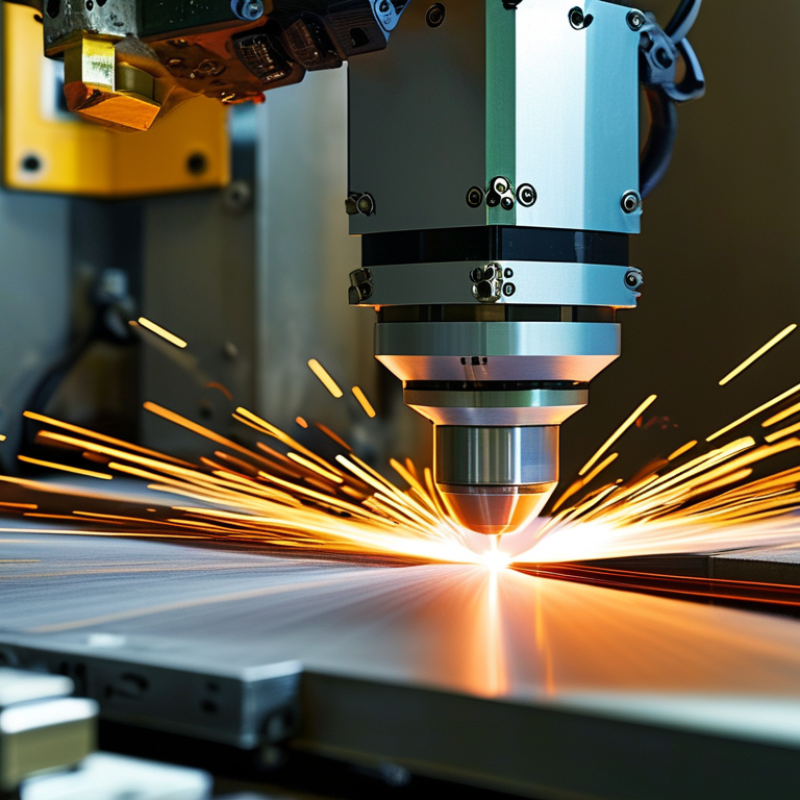
Choosing the right laser head is crucial for optimal performance. There are various types of laser heads, each designed for specific tasks. For instance, CO2 laser heads are excellent for cutting and engraving non-metal materials like wood and acrylic. They deliver precise, clean cuts. Fiber laser heads, on the other hand, excel in cutting metals. They can handle various thicknesses efficiently.
Different applications require different laser head functionalities. Some laser heads focus on speed, while others prioritize precision. Understanding your primary application can guide your choice. If you’re working primarily with fabrics, a more specialized head designed for textiles is essential. Each head has strengths and weaknesses that may not suit every business model.
When choosing, consider the compatibility with your existing equipment. Performance isn’t the only aspect; maintenance matters too. A complex laser head might offer more features but can lead to significant downtime. Reflecting on your needs and capabilities will prevent costly mistakes in selection.
Evaluating Power Output: Choosing the Right Wattage for Your Applications
When selecting laser heads for your business, wattage is a crucial factor. Different applications require different power outputs. Higher wattage can produce cleaner cuts and faster processing speeds. However, it may lead to excessive heat, potentially damaging delicate materials. Striking a balance is essential.
Consider your specific tasks. If you’re working with thicker materials, a higher wattage is necessary. For intricate designs on thin materials, a lower wattage may suffice. Testing different wattages is also valuable. This helps identify the optimal settings for your unique projects and prevents wasted resources.
Evaluate the long-term implications of your choice. Higher wattage lasers can be more expensive. Always weigh the benefits against the costs. Choose wisely to ensure your investment aligns with your operational needs. Remember, the perfect wattage for one business may not be suitable for another. Reflection on your requirements leads to better decisions.
How to Choose the Right Laser Heads for Your Business Needs? - Evaluating Power Output: Choosing the Right Wattage for Your Applications
| Application | Recommended Wattage | Typical Materials | Cutting/Engraving Speed |
|---|---|---|---|
| Acrylic Cutting | 60-100W | Acrylic, Plywood | 20-30 mm/s |
| Metal Engraving | 100-150W | Stainless Steel, Aluminum | 10-15 mm/s |
| Leather Cutting | 40-80W | Leather, Fabric | 20-25 mm/s |
| Wood Engraving | 30-50W | HDF, Plywood | 10-18 mm/s |
| Glass Cutting | 50-100W | Glass, Mirror | 5-10 mm/s |
Material Compatibility: Matching Laser Heads to Your Processing Needs
Choosing the right laser heads for your business is vital for optimal performance. Each material you work with has unique properties. Understanding these properties helps to match the correct laser head to your processing needs. For instance, acrylic requires a specific type of laser head to ensure clean cuts and edges. Using the wrong type can lead to burns or uneven finishes.
Moreover, metals like aluminum and stainless steel need robust laser heads with high power capacities. This power allows for deeper penetration and smoother results. In contrast, softer materials like wood benefit from less intense laser heads. However, be mindful that improper settings can result in charring or uneven cuts. The experience gained from testing various materials can significantly aid in making appropriate choices.
It's important to remember that compatibility goes beyond just power. The frequency of the laser impacts the outcome too. You might find that a laser head suitable for one task does not yield the same results on another material. Experimenting and learning from past projects can lead to better decision-making in the future. Ensuring that you assess the material requirements accurately can prevent costly errors and wasted resources.
Analyzing Cost-Effectiveness: Long-Term ROI Considerations for Laser Heads
When choosing laser heads for your business, consider their cost-effectiveness. The initial investment is just part of the equation. Research shows that laser systems can yield a return on investment (ROI) that exceeds 300% over their lifetime. This is significant, especially for small to medium enterprises, where every dollar counts.
Maintenance and operating costs can significantly affect ROI. A study from the Laser Institute of America indicates that poor-quality laser heads can lead to increased downtime and higher replacement costs. Evaluate the expected lifespan of laser heads. Selecting high-quality options may incur a higher upfront cost, but they usually pay off in reduced repair needs and operational efficiency.
Tip: Always calculate the total cost of ownership (TCO) rather than focusing solely on purchase price. This will give you a clearer picture of long-term financial impact.
When assessing laser heads, gather data on energy consumption. Efficient models can minimize operational costs. For example, adopting a laser head with 30% lower energy consumption can lead to substantial annual savings.
Tip: Make sure to check customer reviews and industry reports for insights into long-term performance and reliability.
Cost-Effectiveness Analysis of Different Laser Heads
Maintenance and Support: Ensuring Longevity and Performance of Equipment
Maintaining laser heads is crucial for their longevity and performance. Regular maintenance ensures consistent results and minimizes downtime. Make a schedule for routine checks and cleaning. It’s essential to keep lenses clear and sensor systems functional. Neglecting these aspects can lead to costly repairs and reduced efficiency.
Training staff on proper handling is also vital. Improper use can cause premature wear and alignment issues. Create straightforward guidelines for your team. Documenting any maintenance issues can provide valuable insights. This helps identify patterns that might indicate deeper problems.
Consider seeking professional support for complex maintenance tasks. Experts can offer tailored advice based on your equipment type and usage. However, not all issues require external help. Reflection on routine practices can often reveal simple solutions. Always assess if you're using the best techniques for upkeep. Each decision impacts performance and productivity.
Article Source:
Let's Build Together
Contact Us: Call 435-563-3503
-OR- Fill in the form below and we will call you back.