How to Choose the Right Crankshaft Bearing for Your Engine?
Choosing the right crankshaft bearing is crucial for engine performance. These small components play a significant role in the overall efficiency and durability of your engine. The crankshaft bearing is responsible for reducing friction and enabling smooth rotation of the crankshaft. Incorrect choices can lead to serious engine problems.
When selecting a crankshaft bearing, consider several factors. Material type is essential. Bearings typically come in options like copper-lead or aluminum. Each material has distinct advantages and drawbacks. For instance, copper-lead bearings may provide better fatigue resistance, while aluminum can offer superior conformability.
Additionally, sizing is critical. A bearing that is too large or small can cause misalignment. This misalignment can lead to premature wear and engine failure. It's important to reference manufacturer specifications and consult with experienced professionals. They can provide insights based on their experiences and expertise. Making the right choice will significantly influence your engine's life and performance. Reflect on your choices to ensure they align with your engine's needs.
Understanding Crankshaft Bearings: Basics and Functions
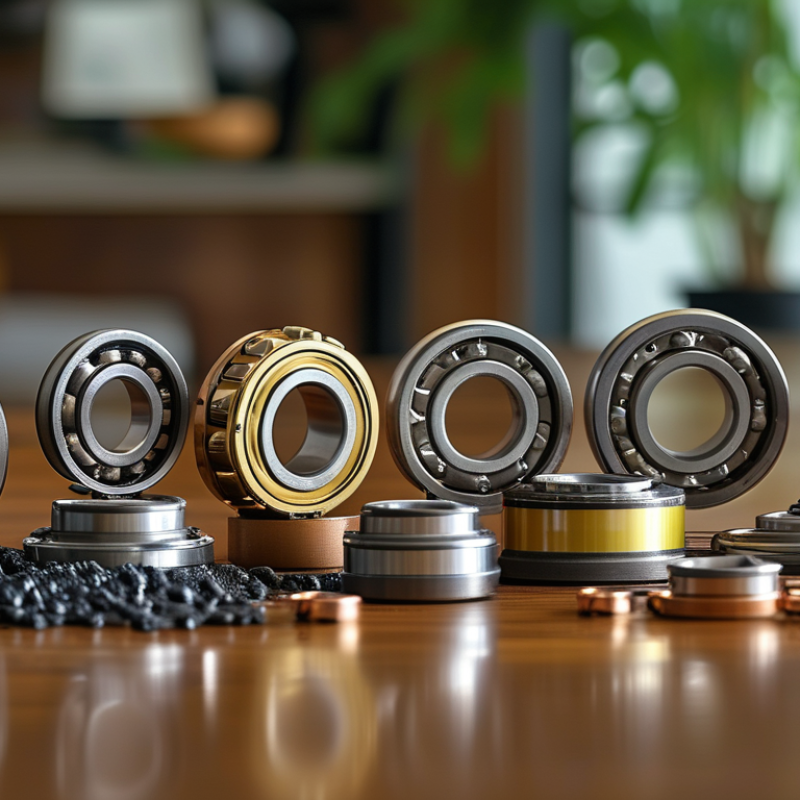
Crankshaft bearings play a crucial role in engine performance. They reduce friction between the crankshaft and the block. Proper selection can enhance efficiency and longevity. According to a study by the Society of Automotive Engineers, up to 50% of engine wear is attributed to incorrect bearing selection.
Understanding the basics of crankshaft bearings is vital. There are several types, including plain and roller bearings. Each type serves a specific function depending on the engine's design. For example, roller bearings offer reduced friction for high-performance engines, while plain bearings are more common in standard applications. The choice impacts oil flow and temperature regulation in the engine.
Tip: Always check the manufacturer’s specifications. This ensures compatibility and optimal performance. Choosing the wrong type can lead to premature wear.
Tip: Consider materials. Bearings made from copper, lead, or aluminum have distinct properties. Evaluate their performance based on your engine’s requirements.
Mistakes in bearing selection can lead to significant issues. Engineers should continuously evaluate their choices to prevent costly repairs. Errors in this area highlight the need for a deeper understanding of engine mechanics. Continuous education and research are essential.
Identifying the Correct Engine Specifications for Bearings
Choosing the correct engine specifications for crankshaft bearings is crucial for optimal engine performance. A recent industry report highlighted that inadequate bearing selection is responsible for over 30% of engine failures. Proper identification of engine type, load ratings, and sizes ensures efficient and reliable operation.
Engine specifications can vary significantly. For instance, high-performance engines often require bearings with specialized coatings. Such coatings can reduce friction and enhance durability. Using generic bearings in a high-stress situation may lead to premature wear. It's vital to pay attention to specific measurements, such as inner and outer diameters, and to consult authoritative datasheets that specify tolerances.
However, it's easy to overlook these details. Many mechanics choose bearings based solely on past experiences rather than current specifications. This reliance on tradition can lead to mismatches between bearings and engine requirements. Stay up-to-date with the latest technical advancements in bearing technology to avoid potential pitfalls in engine performance.
Material Options: Selecting the Right Bearing Material
Choosing the right crankshaft bearing heavily relies on the material options available. The material affects performance and durability under various conditions. Common choices include aluminum, bi-metal, and steel. Each material offers unique benefits and drawbacks.
Aluminum bearings are lightweight and provide excellent heat dissipation. They are suitable for engines that prioritize speed and efficiency. However, they may wear out faster under high loads. Bi-metal bearings combine two metals, often copper and tin, allowing for a balance of strength and performance. They are versatile and commonly used in many vehicles. Nonetheless, improper installation can lead to premature failure.
Steel bearings, on the other hand, are known for their toughness. They can withstand high pressure, making them ideal for performance engines. Yet, they can be heavier and may not offer the same level of flexibility. Reflecting on these choices is vital. The right decision depends on your engine’s requirements and the operating environment. Each option has its pros and cons that must be carefully assessed.
Comparison of Crankshaft Bearing Materials
This chart illustrates the load capacity of various crankshaft bearing materials, helping you understand the advantages and limitations of each option for your engine. Selecting the right bearing material is critical for optimal engine performance.
Evaluating Load Capacity and Performance Requirements
When selecting crankshaft bearings, evaluating load capacity is essential. Bearings must withstand forces generated by engine components. Factors like engine size, RPM, and load demand play crucial roles. Proper evaluation prevents premature wear and failure.
Performance requirements also matter. Different engines have unique needs based on design and application. Higher performance engines may require specialized bearings that can tolerate greater stress. Understanding the specific engine's requirements is vital to making the right choice.
Take time to research and compare options. Not all bearings are created equal, and a poor choice may lead to costly repairs. During selection, consult resources and experts. Each engine presents unique challenges, and being informed is key to successful maintenance.
How to Choose the Right Crankshaft Bearing for Your Engine? - Evaluating Load Capacity and Performance Requirements
| Bearing Type | Load Capacity (kN) | Material | Ideal Applications | Performance Characteristics |
| Plain Bearings | 50 | Babbitt | Low RPM Engines | Good Load Distribution |
| Radial Bearings | 120 | Steel | High RPM Engines | High Load Capacity |
| Insert Bearings | 80 | Aluminum | Medium RPM Engines | Moderate Performance |
| Thrust Bearings | 90 | Bronze | Transmissions | Excellent Thrust Support |
Maintenance Tips for Prolonging Crankshaft Bearing Life
Crankshaft bearings play a crucial role in engine performance. Regular maintenance is essential to extend their lifespan. Start with regular oil changes. Fresh oil helps reduce wear and tear. It keeps the bearings lubricated and cool. Dirty oil can lead to catastrophic failures. Use an appropriate oil type for your engine specifications.
Monitor for unusual noises. Any grinding or knocking sounds may indicate bearing issues. Address these problems promptly to avoid severe engine damage. Additionally, check for oil leaks. Leaks can compromise lubrication and lead to overheating. Visual inspections are critical for early detection.
Pay attention to proper installation during maintenance. Misalignment can cause premature wear. Ensure you use the correct torque specifications when tightening. Over-tightening may lead to damage, while under-tightening leads to failure. Lastly, remember that environmental factors matter. Extreme temperatures can affect bearing performance. Keep your engine clean and well-ventilated to ensure optimal operation.