How to Choose the Best Electric Water Heater for Your Home?
Choosing the right Electric Water Heater for your home can be challenging. Many models are available, each with distinct features. Understanding your household’s unique hot water needs is crucial before making a decision.
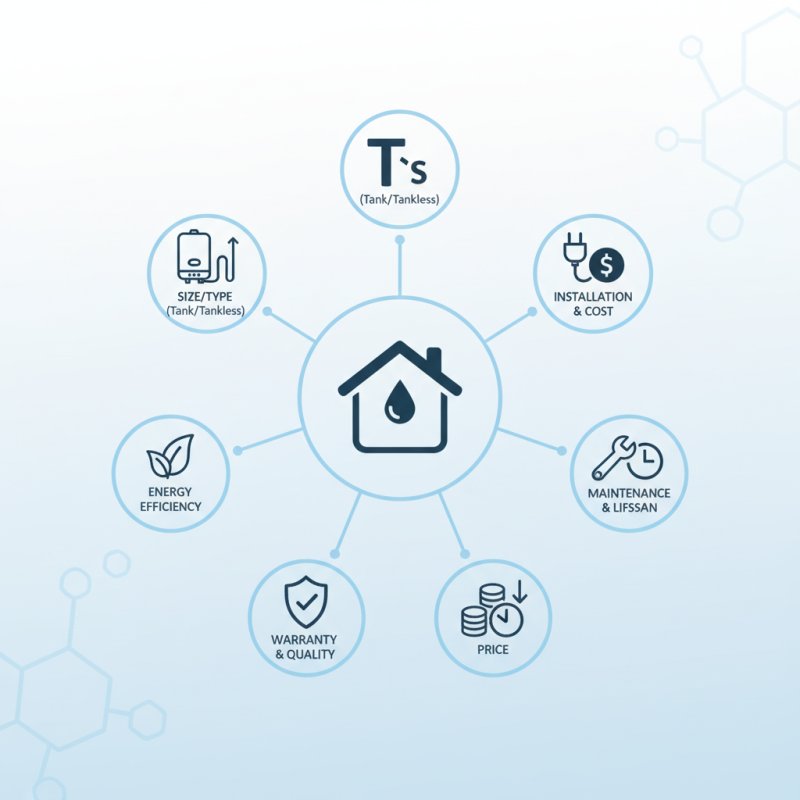
Factors such as size, energy efficiency, and type of heating source play a vital role. Electric Water Heaters come in tank and tankless styles. A tank system offers a steady supply, while a tankless unit provides hot water on demand. It’s important to weigh these options carefully.
Consider installation costs and maintenance requirements too. Warranty and lifespan are also essential. While many consumers focus on price, quality should not be compromised. An informed choice will enhance comfort and reduce energy bills in the long run. Ensure the Electric Water Heater you choose aligns with your family's needs and values.
Understanding the Different Types of Electric Water Heaters
When selecting an electric water heater, understanding the various types is crucial. There are tank-style heaters, which hold and heat water continuously. These can deliver hot water immediately but take up more space. Users often need to consider their household size. A larger family may require a bigger tank to ensure everyone has enough hot water.
Another option is the tankless water heater. This design heats water on demand, providing a never-ending supply. It's energy-efficient, but the initial cost can be higher. Some users find they might not get enough flow rate for multiple outlets at once. It’s essential to assess your hot water usage patterns.
Heat pump water heaters are a less common choice. They use ambient air to heat water and can save energy. However, they require proper installation and maintenance. Some homeowners may struggle with their efficiency in colder climates. It's vital to understand the trade-offs associated with each type. Evaluating personal needs and the heater's capacity is essential for making an informed decision.
Comparison of Different Types of Electric Water Heaters
Factors to Consider for Sizing Your Electric Water Heater
Choosing the right size for your electric water heater is crucial. It affects your comfort and energy bills. Several factors should influence your decision. The first step is determining your household's hot water needs. Consider how many people live in your home. The more people, the more hot water you'll use.
Next, think about peak usage times. When do you use the most hot water? If your family showers back-to-back in the mornings, you need a heater that can keep up. A common mistake is underestimating these demands. Moreover, consider the flow rate of fixtures. Showers, faucets, and dishwashers all draw water differently.
Storage capacity is also vital. A typical family may require a 30 to 50-gallon tank. However, it varies widely based on individual lifestyles. Always reflect on your patterns. You may need more or less than you think. If hot water runs out quickly, it can lead to frustration. Balancing size and efficiency can be challenging. It pays to take the time to plan properly.
Comparing Energy Efficiency Ratings for Electric Water Heaters
When selecting an electric water heater, energy efficiency is a critical factor. The U.S. Department of Energy advises homeowners to check the Energy Factor (EF) rating. This rating indicates how effectively a water heater converts electricity into hot water. Generally, a higher EF means better efficiency and lower energy costs over time. For example, a model with an EF of 0.90 can save around 10% more energy compared to one with an EF of 0.80.
It's essential to recognize the impact of these efficiencies on overall household energy consumption. According to a recent report from the Energy Efficiency Program of the American Council for an Energy-Efficient Economy, water heating accounts for about 18% of residential energy use. Homeowners might be surprised by how much they can save by choosing models with better EF ratings. Some consumers overlook the long-term savings, focusing only on upfront costs.
The limitations of common knowledge can lead to poor choices. While high-capacity systems offer convenience, they may not always be the most efficient for smaller households. Evaluating household needs against the energy ratings is crucial. Homeowners should consider their usage patterns to truly benefit from technological advancements in water heating.
Evaluating Installation Requirements and Costs
When evaluating installation requirements for electric water heaters, understanding your home's layout is crucial. Electric units typically require a dedicated electrical circuit. Most homes need a 240-volt outlet for optimal performance. Depending on local codes, this may need an electrician's expertise, adding to your installation costs. According to the U.S. Department of Energy, installation can range from $300 to $800, significantly impacting budget considerations.
Consider the space available for installation. Electric water heaters come in various sizes and configurations. For smaller spaces, compact models may be more suitable even though they have lower capacity. Research shows that households consuming 41 gallons per day should aim for a 50-gallon tank size to ensure efficiency. But you might end up overpaying for excess capacity.
Tips: Always assess your insulation requirements. A poorly insulated heater can result in higher energy costs. Choosing an Energy Star-rated model can potentially save you over $200 annually. It's essential to reflect on long-term versus short-term costs to make a wise investment. Additionally, don't underestimate the importance of local climate factors. They can influence performance and energy consumption.
Assessing Maintenance and Longevity of Electric Water Heaters
When assessing the maintenance and longevity of electric water heaters, several factors come into play. A well-maintained unit can significantly extend its lifespan. Regular inspections are crucial. Check for leaks, corrosion, and unusual noises. These signs can indicate underlying issues. Don’t ignore them.
Tips: Schedule annual maintenance checks. This helps identify problems early on. Flush the tank regularly to remove sediment buildup. Sediment can reduce efficiency and damage the heater over time.
Choose the right size for your household needs. A unit that's too small may experience overuse, leading to quicker wear and tear. Conversely, an oversized unit can lead to energy waste. Understand your family’s hot water requirements to inform your choice.
Tips: Consider investing in a water softener if you live in a hard water area. Hard water can create scale buildup in the heater, impacting its efficiency. This simple addition can help prolong the life of your heater.
Article Source:
Let's Build Together
Contact Us: Call 435-563-3503
-OR- Fill in the form below and we will call you back.