How to Choose the Best Steel Roll for Your Business Needs?
Choosing the right Steel Roll is crucial for various industries. The quality and characteristics of steel directly affect production efficiency. A well-chosen Steel Roll can enhance durability and performance.
When selecting a Steel Roll, consider your specific business needs. Are you looking for strength, flexibility, or corrosion resistance? Each type of Steel Roll serves different purposes. Disregarding these factors might lead to costly mistakes.
Understanding the material and application is key. Consult with experts who can guide you through the specifications. Their insights can save time and resources. Ultimately, recognizing the importance of a reliable Steel Roll is essential for success.
Understanding the Different Types of Steel Rolls Available in the Market
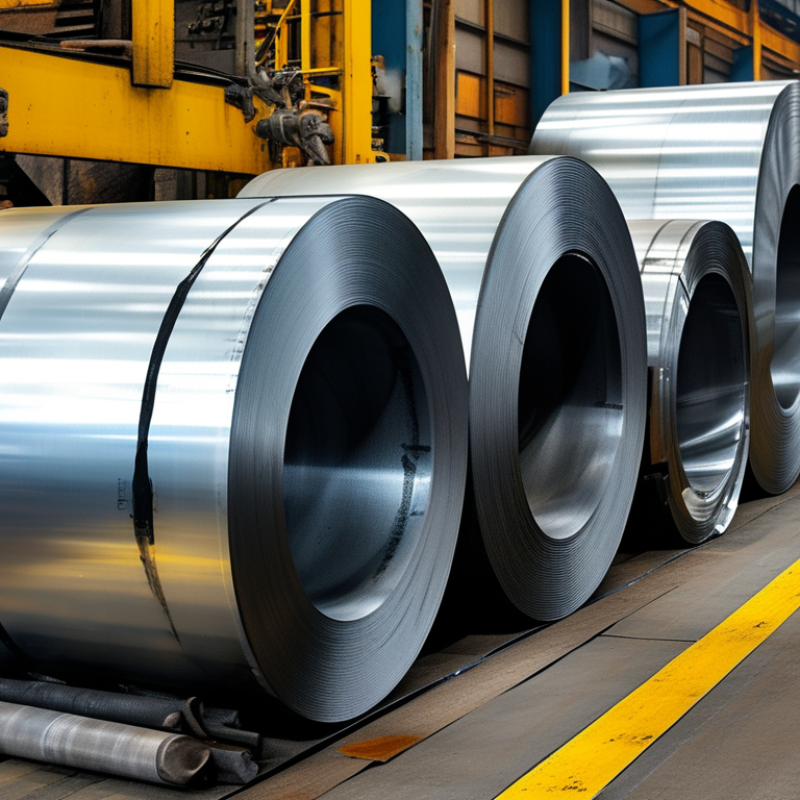
Choosing the right type of steel roll is vital for any manufacturing business. Many industries use steel rolls, each requiring specific characteristics. The two primary types are hot-rolled and cold-rolled steel. Hot-rolled steel, known for its malleability and low cost, is often used for structural applications. Its rough surface can be a drawback for projects requiring aesthetic finishes. Conversely, cold-rolled steel provides tighter tolerances and a smoother surface, making it ideal for precision applications.
In the U.S., the demand for cold-rolled steel has increased by approximately 5% annually. This growth is attributed to its applications in automotive and appliance manufacturing. However, many businesses overlook the importance of selecting the right type based on their operational needs. It's essential to consider whether you need strength, flexibility, or surface finish. Each choice has implications on manufacturing processes and overall quality.
Furthermore, it's necessary to reflect on the sourcing of steel rolls. Not all suppliers provide the same quality. Research shows that about 30% of organizations report issues with steel roll quality affecting production. Ensuring you are informed about the type of steel and its specifications can prevent costly errors. Make it a priority to verify suppliers and their certifications before securing your materials.
Assessing Your Business Needs for Steel Roll Specifications
When choosing steel rolls, understanding your business's specific needs is crucial. Consider the type of project you will undertake. Are you producing lightweight structures or heavy-duty items? Each application requires different specifications. Identifying the right thickness, width, and material type can significantly impact product quality and performance.
Material properties also play a key role. Steel rolls vary in strength and flexibility. For example, if your project demands high tensile strength, selecting a hardened steel roll will be beneficial. Additionally, the finish of the steel can influence your final product. A smooth surface may enhance aesthetics while a rougher finish can improve bonding with coatings.
Pay attention to the production volume. Smaller projects may not justify investing in high-end steel rolls. Evaluate your operational capabilities and the expected lifespan of the rolls you choose. Regular maintenance can prolong their durability but requires planning. Keep in mind that some rolls may deteriorate faster than expected under harsh conditions. Adjusting expectations based on realistic assessments is essential for success.
Steel Roll Specifications: Assessing Different Properties
Key Factors to Consider When Selecting Steel Rolls
Choosing the right steel roll is crucial for optimal business performance. One key factor to consider is the type of steel used. Different applications require different grades. For instance, high-strength steel is necessary for construction, while stainless steel is preferred in food processing. Assessing the specific requirements of your projects will help narrow down options effectively.
Another important consideration is the diameter and width of the roll. Not every machine can handle all sizes. It's vital to measure your equipment's capabilities before making a decision. Additionally, pay attention to the thickness of the steel. Thicker rolls provide more durability but can be more challenging to work with.
Evaluating the supplier is also essential. Look for a provider with a strong reputation in the market. Check reviews and seek recommendations from industry peers. Reliability is key in manufacturing settings, especially when delays can impact production. Reflecting on past experiences with suppliers can help refine your choices for future orders.
Comparing Cost-Effectiveness of Various Steel Roll Options
When selecting the best steel roll for your business, cost-effectiveness is crucial. Different steel roll options come with varying price points and benefits. It's essential to analyze the long-term value versus immediate costs. Some steel types may seem cheaper initially, but they might not offer durability or efficiency in the long run. This factor can significantly impact your overall operational expenses.
Consider the specific needs of your projects. For instance, if your work involves high-stress applications, investing in high-quality steel rolls could save you from frequent replacements. A budget-friendly option might lead to increased downtime and added costs later. The key lies in balancing upfront costs with potential savings over time.
Assessing suppliers can help uncover hidden costs. Look for transparency regarding delivery charges, quality assurance, and support services. Building a relationship with a dependable supplier often pays off. They can guide you toward the best choices that align with both your budget and operational requirements. Explore your options thoroughly, and don't hesitate to seek feedback from industry peers. This insight can help you navigate choices that align with your business objectives.
Best Practices for Sourcing and Purchasing Steel Rolls
When sourcing steel rolls, it is vital to understand your specific operational needs. Consider the types of projects your business undertakes. According to a recent industry report, over 70% of manufacturers highlight that material quality directly impacts production efficiency. A reliable supplier should provide samples for quality assessment. This initial step ensures the product meets your specifications.
Evaluate potential suppliers based on their certifications and experience. An overwhelming 65% of businesses reported difficulties in project delays due to low-quality materials. Engage with vendors that have a proven track record. Request details about their quality control processes and how they handle inconsistencies. Transparency in these areas is essential for building trust.
Price negotiations shouldn't be your only focus. A comprehensive approach includes understanding market trends. Recent data indicates a 15% increase in steel prices due to global demand. Keep an eye on price fluctuations and consider long-term contracts to lock in rates. It is crucial to assess the total cost of ownership, which includes shipping and handling. This multifaceted evaluation can help navigate the complexities of sourcing steel rolls effectively.