How to Choose the Best Metre Boxes for Your Needs?
When selecting the best Metre Boxes, understanding your specific needs is essential. Metre Boxes are critical components for electrical distribution in homes and businesses. The right choice can influence safety and efficiency.
Consider the size and capacity of the Metre Boxes you require. Factors such as the number of circuits and anticipated load should guide your selection. Some users prioritize ease of installation or durability. Reflecting on past choices can reveal insights into what truly matters.
Another aspect is compliance with local regulations. Not every Metre Box suits every situation. Gathering expert opinions may help clarify these complex requirements. Ultimately, choosing the right Metre Boxes involves more than just basic function. It demands careful thought and informed decisions.
Understanding Metre Boxes: Types and Functions
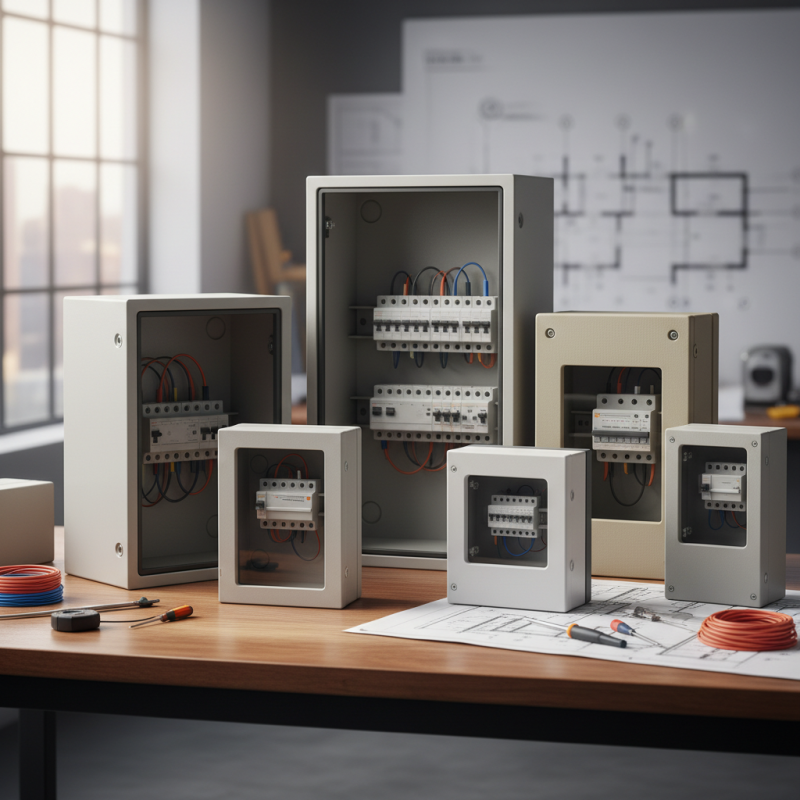
Understanding metre boxes is essential for both residential and commercial properties. These boxes serve as crucial points for electrical service entry and meter installation. Generally, two types of metre boxes exist: surface-mounted and recessed. Surface-mounted boxes are readily visible, making them easier to access. On the other hand, recessed boxes offer a cleaner look and protect components from environmental factors.
Choosing the right type depends on your space and aesthetic preference. Ensure to check local regulations before installation. Understanding local codes can prevent legal issues. Additionally, verify the size and specifications needed for your specific installation.
Tips for selecting a metre box include measuring the space accurately. An oversized box may be problematic, while an undersized box could hinder functionality. Furthermore, consider future needs. If expansion is likely, choose a box that can accommodate more connections. Lastly, reflect on potential installation challenges. Hiring a qualified professional can ensure safety and compliance.
Key Features to Consider When Selecting Metre Boxes
Choosing the right metre box is crucial for efficient electrical management. When selecting metre boxes, prioritize durability. Look for materials that can withstand harsh weather. Metal boxes tend to offer better protection compared to plastic ones. Check for the IP rating, which indicates dust and water resistance. This is essential if the metre box will be installed outdoors.
Consider the size and capacity of the metre box. Ensure it can accommodate your current and future needs. A larger box allows for additional circuits as your requirements grow. Pay attention to the ease of access for maintenance. Accessibility can make a significant difference when you need to troubleshoot issues.
Finally, assess safety features. Look for adequate insulation and secure locking mechanisms. These features provide peace of mind, ensuring your electrical connections are safe. Each choice you make should reflect your specific needs and constraints. Remember, every installation has its unique challenges. Tailor your selection based on those challenges for optimal performance.
Assessing Size and Capacity for Your Electrical Needs
When selecting a metre box, size and capacity are critical. The right dimensions ensure that your electrical system functions smoothly. Consider the total wattage your home requires. Assess the appliances you use regularly. This gives a clearer picture of your power needs.
Common household appliances vary in energy consumption. A refrigerator might use 200-800 watts, while air conditioning units can demand significantly more. So, calculating these requirements is essential before you buy a metre box. It’s not just about fitting the components; it’s about ensuring they can handle peak demand.
Taking time to reflect on your current and future electrical needs is wise. You may plan to add new devices later. Underestimating capacity could lead to overloads. If the box is too small, you may face costly upgrades. Therefore, periodically reassessing your usage can prevent mishaps down the road.
Prioritize functionality and scalability for a sustainable choice.
Evaluating Material Quality and Durability of Metre Boxes
When selecting a metre box, the material quality directly impacts its durability. Common materials include plastic, metal, or composites. Each option has unique characteristics that cater to specific needs. Plastic is lightweight and resistant to rust but may not withstand extreme conditions. Metal, while sturdy, can suffer from corrosion over time without proper treatment. Composites often combine benefits, offering durability and corrosion resistance.
Evaluating the quality of these materials is essential. Look for certifications or standards to assess their reliability. A metre box should ideally endure various weather conditions and resist wear. Consider the environment where it will be installed. If the area experiences extreme temperatures, insulation or other protective features might be beneficial.
A visual inspection can also be revealing. Check for signs of age or stress, such as cracks or discoloration. These can indicate potential future problems. It's sometimes easy to overlook these details in the decision-making process, but they can save you from costly repairs later on. Engaging with professionals for advice may also shed light on options you hadn’t initially considered. Approaching this decision thoughtfully ensures you choose the best metre box for your specific needs.
How to Choose the Best Metre Boxes for Your Needs? - Evaluating Material Quality and Durability of Metre Boxes
| Material | Durability Rating | Weather Resistance | Price Range |
|---|---|---|---|
| Plastic | Medium | Good | $20 - $50 |
| Steel | High | Excellent | $75 - $150 |
| Aluminum | High | Very Good | $50 - $100 |
| Fiberglass | Medium | Good | $30 - $70 |
| Concrete | Very High | Excellent | $100 - $200 |
Installation Requirements and Electrical Standards for Metre Boxes
When selecting a metre box, understanding installation requirements is key. These boxes must comply with local electrical standards to ensure safety and effectiveness. For instance, the National Electrical Code (NEC) provides guidelines, requiring proper grounding and overcurrent protection. Adhering to these regulations can prevent hazards like electrocution and fires.
professionals recommend using metre boxes that fit the local grid specifications. According to a report from the International Electrotechnical Commission, around 30% of electrical accidents come from improper installations. Basic checks include verifying the amperage ratings and ensuring correct cable connections. Small installation errors can lead to large consequences.
Also, consider the environment where the metre box will be installed. Outdoor installations need weatherproof enclosures. Indoor boxes should be in accessible locations. Yet, many overlook the importance of a professional inspection. Identifying potential issues prior to full installation can save time and costs later. Maintaining adherence to electrical standards is not just a requirement; it is a responsibility. Proper choices will promote a safer electrical system for everyone involved.
Electrical Standards for Meter Boxes by Region
Article Source:
Let's Build Together
Contact Us: Call 435-563-3503
-OR- Fill in the form below and we will call you back.