How to Choose the Best Die Casting Mold for Your Needs?
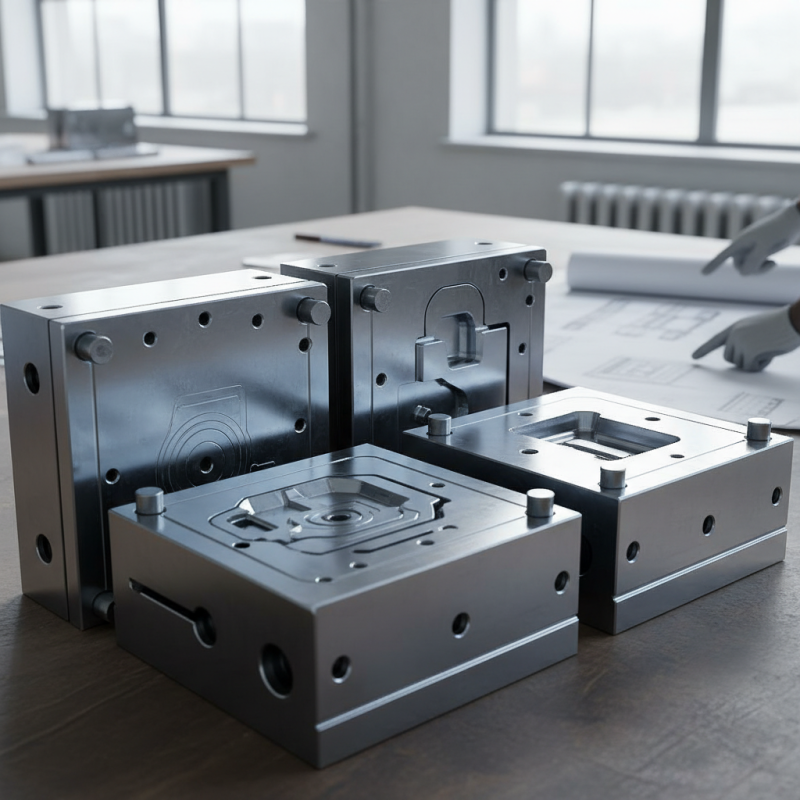
Choosing the right Die Casting Mold is crucial for achieving optimal results in metal casting. Industry expert John Smith, a renowned die casting engineer, once said, "The mold defines the product." This statement emphasizes the importance of selecting an appropriate mold tailored to specific production needs.
Die Casting Molds come in various shapes, sizes, and materials. Understanding the project's requirements is key. Factors such as volume, precision, and cooling systems often dictate the best choice. Each project carries unique challenges, and a poorly chosen mold can lead to increased costs and delays.
It's essential to reflect on your past choices and learn from them. Not every mold will suit your needs perfectly. Evaluating your experiences can guide you in making better decisions. The right Die Casting Mold should ultimately enhance your production efficiency while ensuring quality.
Types of Die Casting Molds and Their Applications
When selecting a die casting mold, understanding the various types and their applications is crucial. A common type is the gravity die cast mold, ideal for simpler designs and smaller runs. These molds are generally less expensive and offer better surface finishes. However, they may not be suitable for complex shapes or large volumes.
Plunger die molds are another option. They are perfect for high-volume production. This type uses high pressure, allowing for intricate designs. Yet, they come with higher costs and longer lead times. Evaluating the production volume and design complexity can aid in making the best choice.
Tips: Always assess your design needs first. Consider the material you plan to cast. Different molds work better with specific alloys. Also, keep in mind the cooling times and potential defects. Poor cooling can lead to warps or other issues. Reflect on your production goals before deciding. A wrong choice can impact quality and costs significantly.
Factors to Consider When Selecting a Die Casting Mold
Choosing the right die casting mold requires careful consideration. Several factors play a pivotal role in the selection process. Assessing the material properties is crucial. Different molds can influence the quality of the final product. For instance, aluminum melts at a different temperature compared to zinc or magnesium. This affects the durability and precision of the mold.
Tip: Always evaluate the thermal conductivity of the mold material. A higher conductivity generally leads to better cooling rates, which enhance the production cycle.
Another important aspect is the design complexity. Some molds are more intricate than others. Complex designs may require advanced machining techniques. This can increase costs and production time. Understand your design needs thoroughly to avoid overspending.
Tip: Balance quality with affordability. Sometimes, cheaper options can lead to higher rework costs later.
Lastly, consider the mold's longevity. A durable mold can save significant costs over time. However, molds with extended lifespans may require higher upfront investments. Reflect on your production needs to find the perfect balance. The right choice today can impact your operations for years to come.
Material Selection for Die Casting Molds: Pros and Cons
When choosing die casting molds, material selection is crucial. Common materials include aluminum, steel, and zinc. Each has unique properties that can impact performance. For instance, aluminum molds are lightweight and have excellent thermal conductivity. They are suitable for high-volume production. However, their lower wear resistance may lead to shorter lifespans compared to steel.
Steel, on the other hand, is known for its durability and strength. It can withstand higher pressures and temperatures. This makes steel an ideal choice for complex designs. Nevertheless, steel molds can be heavier and more expensive. Their longer manufacturing time can also delay project timelines. A study from the Die Casting Industry Association reported that 57% of manufacturers prefer steel for large-scale production due to its longevity.
Zinc molds present another option. They are cost-effective and provide good surface finishes. Although suitable for low-volume runs, they often can't handle high thermal stresses. As a result, they might not be the best choice for extensive production. Companies must weigh these pros and cons carefully. Material selection can significantly influence production efficiency and output quality. Therefore, aligning mold material with specific project needs is essential.
Material Selection for Die Casting Molds: Pros and Cons
Step-by-Step Process for Evaluating Mold Quality
When evaluating die casting molds, focus on quality. A mold's material is crucial. Consider aluminum or steel options. Each has benefits and drawbacks. For example, aluminum molds are lighter and cheaper, while steel molds last longer. Look into the details of construction. Precision in design affects the final product.
Tips: Check the manufacturer’s experience. A reputable company often has years in the industry. Gathering feedback from existing customers can provide insights. A good mold should have smooth surfaces. Roughness can lead to defects in casting.
Inspect the mold’s cooling system. Efficient cooling reduces cycle times. Notice any signs of wear and tear. Molds can wear down over time, affecting performance. Choose a mold that allows for repairs or upgrades. You want a long-term investment, not a quick fix. Evaluate every aspect carefully. Each detail can make a difference.
How to Choose the Best Die Casting Mold for Your Needs? - Step-by-Step Process for Evaluating Mold Quality
| Criteria | Description | Importance Level | Rating (1-5) |
| Material Quality | Evaluate the type of steel or alloy used for durability and longevity. | High | 5 |
| Design Complexity | Assess the mold's ability to create intricate designs without defects. | Medium | 4 |
| Heat Treatment | Check if the mold is properly heat-treated to enhance performance. | High | 5 |
| Manufacturer Experience | Evaluate the background and expertise of the mold manufacturer. | High | 5 |
| Cost | Review the total cost, including production and maintenance expenses. | Medium | 3 |
Cost-Effectiveness and Budget Considerations in Mold Selection
When considering die casting molds, cost-effectiveness is crucial. There are many factors that determine the budget. Material choices greatly influence molding costs. For example, aluminum and zinc have different price points and performance characteristics. Cheap molds may save money initially, but they might lead to higher defects and additional costs later.
It’s essential to consider long-term value over initial costs. Higher-quality molds produce better parts and have a longer lifespan. This reduces the need for frequent replacements. Maintenance costs should also factor into the overall budget. Ignoring these aspects can lead to surprise expenses that undermine savings.
Every project has unique needs. Collecting quotes from multiple suppliers can help gauge what you should realistically expect to pay. Be wary of significant price discrepancies; they might indicate quality concerns. Reflect on your priorities. Are you prioritizing upfront costs or overall durability and performance? Balancing these aspects leads to better decisions.