China Top Parking Lot Striping Equipment Rental?

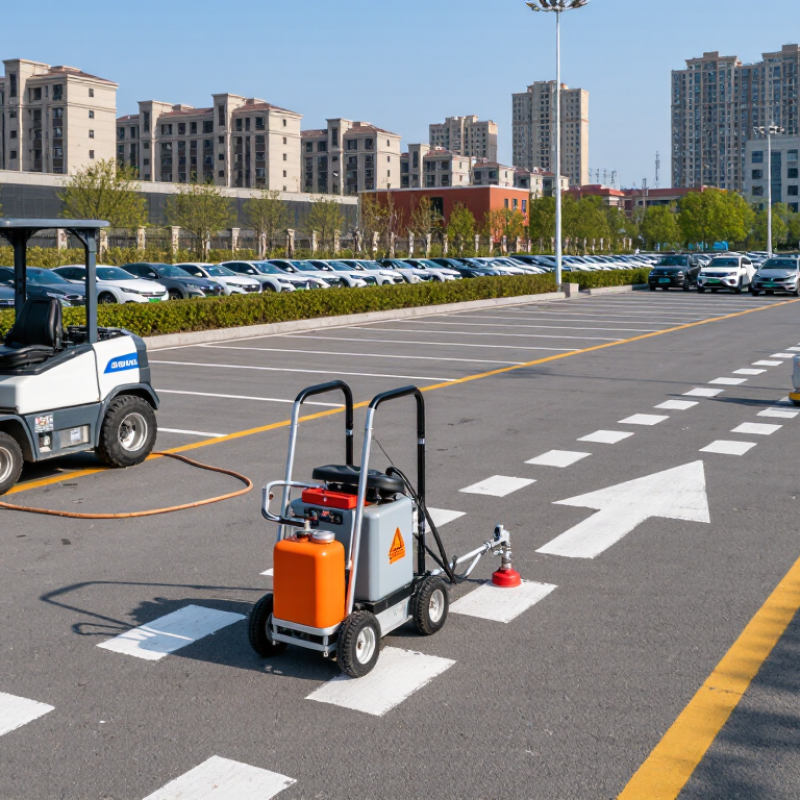
China’s parking-lot striping market offers many rental options, but the right machine depends on the job. A compact walk-behind striper may suit a small lot with tight corners. A larger, ride-on unit can save time across broad, open pavement. The difference becomes clear when you consider paint capacity, line width, surface condition, and the crew’s experience.

For a practical perspective, this introduction uses an illustrative expert voice, not a verified industry quotation. “Choose the machine for the pavement and the crew, not the rental price alone,” says fictional equipment-rental adviser Morgan Lee. Treat that line as editorial guidance, not a quote from a real specialist.

A careful rental comparison should look beyond the daily rate. Ask whether the machine includes the right spray tip, whether its controls feel manageable, and how cleaning and return requirements work. Check that the equipment is suitable for the paint specified for the project. A test pass on a safe, inconspicuous area can reveal uneven edges or inconsistent flow before the crew marks the full lot.

Small details matter. A stiff trigger, a clogged tip, or faded layout marks can slow a crew and spoil crisp lines. No machine removes the need for preparation. This guide explores how to compare China-based Parking Lot Striping Rental options, assess equipment features, and match a rental to real site conditions. Pricing and availability can change, so confirm current details directly with the rental provider.
China Top Parking Lot Striping Equipment Rental?

What Parking Lot Striping Equipment Rental Includes in China

China Top Parking Lot Striping Equipment Rental?

What Parking Lot Striping Equipment Rental Includes in China

A parking lot striping rental in China may include a walk-behind or ride-on line striper, selected for the site size and marking plan. The package often covers a spray gun or marking applicator, hose, and basic setup guidance. Ask whether the machine suits water-based traffic paint or another specified coating. Not every unit handles every material. Rental terms can differ between cities and suppliers.

Before collection, confirm the daily or weekly rate, deposit, delivery options, and return requirements. Ask what happens if the machine needs maintenance during the rental. Some providers may offer training, spare nozzles, cleaning tools, or traffic cones, but these items are not guaranteed. A written equipment checklist helps prevent disputes over missing parts or damage.

Tips: Share your surface type, planned line width, and approximate work area before booking. Check the nozzle and test a short line on a spare surface. Keep cleaning supplies ready, and follow the equipment manual. Even a careful checklist can miss small details, so inspect the machine with the provider before work begins.

Types of Striping Equipment Available for Different Projects

For a small parking area or a few re-striped stalls, a walk-behind line striper is usually easier to maneuver around curbs and parked vehicles. It suits short, straight lines and touch-ups. Small projects need care, too. Poorly aligned chalk guides can leave crisp paint in the wrong place.

Airless sprayers offer faster coverage for medium-sized lots and longer solid lines. Ride-on stripers can reduce operator fatigue across large, open surfaces, while thermoplastic application equipment is suited to projects requiring heated, durable markings. The right rental depends on line length, surface condition, material, and available setup space—not just lot size.

The choice of material matters. Grand View Research estimated the global road-marking materials market at about US$6.6 billion in 2023 and projected 5.4% annual growth from 2024 to 2030. That report covers materials, not parking-equipment rentals, so it cannot prove local rental demand. Still, it highlights why crews may encounter different application systems. For a rental, check the machine’s compatible paint, nozzle width, cleaning needs, and daily output before booking. I would also test a short line on the actual pavement; estimates can miss texture, shade, or old coating.

China Top Parking Lot Striping Equipment Rental? - Types of Striping Equipment Available for Different Projects

Equipment Type Typical Project Size Typical Configuration Best-Suited Work Rental Considerations
Walk-Behind Airless Line Striper Small to medium lots; touch-ups and restriping Push-operated, paint tank, pump, and adjustable spray gun; commonly configured for standard parking-space lines around 4 inches wide Parking stalls, traffic lanes, arrows, and other straight-line markings Confirm paint compatibility, tip size, tank capacity, and whether cleaning materials are included.
Ride-On Airless Line Striper Large parking lots and extended lane-marking projects Operator seat with one or more spray guns; some units support simultaneous parallel lines Long runs, large lots, and projects where reducing operator fatigue is important Check machine dimensions, turning space, transport requirements, and the number and spacing of guns.
Compact Walk-Behind Striper Small lots, narrow aisles, and confined areas Lightweight, manually guided unit with a single spray gun and compact paint container Short lines, small parking areas, and detail work around curbs or islands Useful where larger machines cannot maneuver; verify the available line-width adjustment.
Stencil and Layout Kit Projects of any size requiring symbols or consistent layouts Reusable stencils, measuring tape, chalk line, and marking tools Accessible-space symbols, arrows, numbers, lettering, and stall layout Confirm stencil dimensions and local marking requirements before starting the project.
Glass Bead Dispenser Projects requiring reflective pavement markings Attachment or separate dispenser that applies reflective beads to fresh paint Markings where added nighttime visibility is specified Check compatibility with the striper and paint system, as well as bead application controls.
Line Removal Grinder Resurfacing, layout changes, or removal of existing markings Walk-behind powered grinder with a cutting or abrasive head Removing or reducing old paint and markings before restriping Ask about dust control, surface suitability, required protective equipment, and cleanup.

Equipment configurations, line widths, and rental terms vary by supplier and location. Confirm the machine’s compatibility with the specified marking material and pavement surface before booking.

How to Choose Equipment Based on Site Size and Marking Needs

A compact parking lot with a few dozen spaces usually needs a walk-behind line striper. It is easier to steer around islands, drains, and tight corners. For a large, open lot, a ride-on unit can cover long rows faster. Rental choice should also reflect the layout: angled stalls, arrows, crosswalks, and curb markings take more time than straight lines. Check the machine’s line-width settings and paint compatibility before booking. A lower rental price may not help if the equipment cannot produce the markings you need.

Tips: Measure the lot and sketch its layout before pickup. Ask how much paint the machine uses, and whether stencils are included. Test one short line on a clean, dry surface. Small details matter.

Surface condition can change the result. Dust, loose gravel, or damp pavement may cause uneven edges or weak adhesion, even with suitable equipment. For older lots, allow time for sweeping and clearing parked vehicles. Ask the rental provider about setup, cleaning, and return requirements; unfamiliar equipment can take longer to prepare than expected. I would not assume a faster machine always saves time. Tight turns and frequent stencil changes can slow a large unit, so match its size to both the lot and the marking pattern.

How the Rental Process Works with Chinese Suppliers

Renting parking lot striping equipment from a Chinese supplier starts with a clear description of your job. Share the surface type, project area, required line width, and expected rental period. Photos of the lot can help clarify tight corners, faded markings, or uneven pavement. Ask which machine configuration is available and what consumables it requires. Details matter.

Next, request a written quotation that separates rental charges, shipping, insurance, and any refundable deposit. Confirm when the rental period begins, how extensions are priced, and who arranges delivery and return freight. For cross-border shipments, clarify which party handles import paperwork and any local charges before paying. Ask for the machine’s operating manual, maintenance schedule, and a video showing setup and cleaning. A short remote demonstration can reveal practical issues, such as nozzle adjustment or paint flow, before the equipment leaves the supplier.

Before dispatch, agree on a checklist covering accessories, visible wear, and included spare parts. Keep records. On arrival, photograph the machine and test it on a small area before starting full production. If a component is damaged or the instructions are unclear, contact the supplier promptly and document the issue. Rental terms can look simple, but return timing and freight coordination are easy to underestimate.

Rental Costs, Safety Requirements, and Equipment Maintenance

Rental costs for parking lot striping equipment depend on machine size, rental duration, delivery, and included accessories. A compact walk-behind unit may suit a small lot, while larger sites can justify a ride-on machine. Ask for a written quote that separates daily rates, transport, cleaning fees, and paint or bead costs. Check whether weekends count as rental days. That detail can change the budget.

Safety starts before the machine reaches the pavement. Confirm that operators know the controls, emergency stop, and safe loading procedure. Wear eye protection, gloves, and suitable footwear, and keep pedestrians away from fresh paint and moving equipment. Use cones and clear work zones. Follow the site’s traffic plan and the coating supplier’s handling instructions. Small details matter.

Inspect the spray tip, hoses, guards, tires, and brake function at pickup. Take dated photos of existing wear; it avoids awkward disputes later. After use, clean the system as directed and return it with the agreed fuel level. I have seen cleanup take longer than expected, especially when paint begins to dry in a hose. Build that time into the schedule. Record any leaks or uneven spray before returning the unit, even if the cause seems minor.

Let's Build Together

Contact Us: Call 435-563-3503

-OR-  Fill in the form below and we will call you back.

Copyright © 2025CNC Fabrication. All Rights Reserved.