What Is a Can Body Making Machine and How Does It Work?
A Can Body Making Machine is the production center behind many metal beverage and food containers. It transforms a flat metal sheet, or a drawn cup, into a precise cylindrical body. The process looks simple from a distance. It is not.
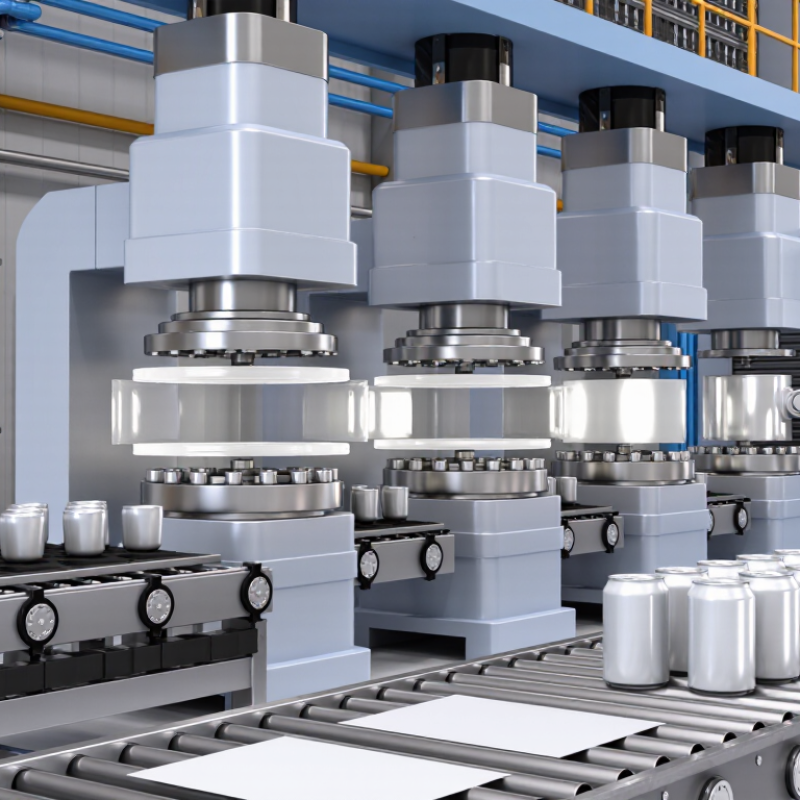
Modern lines combine cupping, drawing, ironing, trimming, washing, inspection, and conveying. A metal blank enters a high-speed press. Punches shape it into a shallow cup. Ironing rings then stretch the walls while reducing their thickness. The machine must control pressure, lubrication, alignment, and temperature within narrow limits. One small wrinkle can stop an entire line. That detail is easy to underestimate.
The International Aluminium Institute reports that recycling aluminium can save about 95% of the energy required for primary production. The Can Manufacturers Institute reported a United States aluminium beverage-can recycling rate of approximately 43% in 2023. These figures show the value of efficient canmaking, but they also reveal an uncomfortable gap. Production technology may advance faster than collection systems.
Robert Budway, President and CEO of the Can Manufacturers Institute, has described the aluminium beverage can as “the most recycled beverage container in the world.” His statement highlights the package’s circular potential. However, recyclability does not guarantee actual recovery. Material quality, machine accuracy, and responsible plant operation still matter.
This guide explains how a Can Body Making Machine works, from sheet feeding to final inspection. It also examines key components, production speeds, common defects, and maintenance decisions. Some manufacturers focus heavily on output. That can be a mistake. Stable quality usually matters more than impressive speed.
Definition and Purpose of a Can Body Making Machine
A can body making machine is industrial equipment that forms a metal can body from flat sheet or a drawn cup. In two-piece production, it draws and irons the cup through precision dies. This creates a longer body with a controlled wall thickness. Cutting, trimming, washing, and inspection follow in connected stages. For three-piece cans, body-making usually includes sheet slitting, rolling, welding, and flanging. The definition changes with the can format. That distinction matters.
Its main purpose is consistent production at high speed. It controls diameter, height, seam preparation, and material use. Grand View Research valued the global metal cans market at about USD 55.38 billion in 2022. The same report projected a 4.6% compound annual growth rate from 2023 to 2030. Smithers also identifies lightweighting and efficient forming as major directions in metal packaging. However, output numbers can hide practical problems. Minor tooling wear may increase scrap, noise, or wall variation. A machine can meet its speed target and still need better process control. Factory experience remains essential.
Main Components and Material Preparation
A can body making machine converts flat metal coil into strong, uniform containers. In a typical two-piece line, the main components include a decoiler, strip lubricator, cupping press, bodymaker, trimmer, washer, dryer, and inspection system. The press cuts circular blanks and forms shallow cups. The bodymaker then redraws and irons each cup, reducing wall thickness while extending its height. Accurate tooling matters. Small alignment errors can create wrinkles, cracks, or uneven sidewalls.
Material preparation begins with selecting suitable tinplate or aluminum coil. Operators check thickness, temper, surface cleanliness, coating condition, and grain direction before production. Lubricant must cover the strip evenly, but excessive oil can disrupt washing and coating. The World Steel Association reported approximately 1,892 million tonnes of crude steel production in 2023, showing the scale of the steel supply behind packaging manufacturing (World Steel in Figures 2024). The European Commission’s ferrous-metals processing guidance also stresses controlled forming conditions and surface treatment. In practice, a clean-looking coil can still hide inconsistent hardness. That is where experience helps.
Tips: Measure cup diameter, wall thickness, and flange height regularly. Keep forming tools polished and properly aligned. Do not trust inspection cameras alone; sample checks can reveal defects they miss. Experienced operators sometimes over-adjust lubrication, creating another problem. Record every change, even the small ones.
Step-by-Step Can Body Forming Process
A can body making machine converts a flat metal sheet into a strong, seamless container wall. The process looks simple, but each station demands tight control. Small errors can create wrinkles, cracks, or uneven dimensions.
The line starts with coil-fed aluminum or steel. A slitter cuts the coil into accurate sheets. A cupping press then punches round blanks and draws them into shallow cups. The machine applies forming lubricant before redraw dies stretch each cup taller and narrower. This reduces wall thickness while preserving the bottom profile. A high-speed ironing section follows. Several rings gradually compress the wall, often achieving thickness differences measured in microns.
The machine trims the open edge to a precise height. Sensors check diameter, wall thickness, and flange condition. A washer removes forming residue, while drying prepares the surface for printing or coating. The International Aluminium Institute reports that recycled aluminum requires roughly 5% of the energy used for primary aluminum production. That makes material efficiency important during forming, not just after use. Industry reports also show that beverage-can recycling rates remain uneven across regions, so lightweight designs must not sacrifice recovery value.
In real production, the sequence is never perfectly calm. Tool wear changes the draw force. Lubricant temperature shifts. Operators still need experience when data looks normal but defects increase. That human judgment is easy to underestimate. A well-designed can body machine therefore combines accurate dies, live monitoring, and disciplined maintenance. Mistakes can begin with one misaligned blank.
Quality Control and Production Efficiency
A can body making machine forms flat metal sheets into strong cylindrical bodies. It commonly performs feeding, slitting, rounding, welding, and seam finishing in one production line. Sensors monitor sheet position while forming rollers shape the metal around a precise diameter. The welded seam then passes through inspection and smoothing stations.
Quality control begins with incoming material checks. Operators measure sheet thickness, coating consistency, and surface condition before production starts. During operation, cameras can detect open seams, dents, scratches, and uneven edges. Pressure tests help identify tiny leaks that visual inspection may miss. Critical measurements should be recorded, not remembered.
Small errors matter.
Production efficiency depends on stable feeding and quick adjustments. Automatic alignment reduces material waste and limits unplanned stops. Regular cleaning prevents metal dust from affecting sensors and welding accuracy. Maintenance teams should inspect rollers, guides, electrodes, and cutting tools at scheduled intervals. A fast machine is not efficient if it produces rejected cans. In practice, operators may still need to slow the line when material varies between batches. That choice can feel inefficient, yet it often protects quality and reduces costly rework. No line is perfect. Reviewing defect patterns each shift can reveal weak settings that routine checks overlook.
Common Applications and Machine Variations
What Is a Can Body Making Machine and How Does It Work?
A can body making machine forms flat metal sheets into cylindrical containers. It usually feeds, shapes, welds, trims, and inspects each body in sequence. In food, beverage, chemical, and household product packaging, the machine supports steady production and consistent dimensions. The process may look simple, but small alignment errors can create leaks, wrinkles, or uneven seams.
Different applications require different machine variations. Two-piece can systems draw and shape a metal blank into one container body. Three-piece systems roll a rectangular sheet, weld the side seam, and prepare both ends for attachment. High-speed lines suit large beverage volumes, while compact machines help smaller factories manage varied orders. Stainless steel, tinplate, and aluminum may require different forming pressure and tooling. Some machines include automatic inspection cameras, while basic models rely more heavily on operator checks. That difference affects cost, maintenance, and production reliability.
Tips: Match the machine with the metal thickness, can diameter, and expected output. Check seam strength regularly, even when the line appears stable. Keep forming tools clean and properly adjusted. A neglected guide rail can quietly damage hundreds of bodies. Operators should record defects instead of correcting them without evidence. This practice improves traceability, although it may slow production at first. Specifications often seem precise, but real factory conditions can change results. Testing with actual materials remains essential before full-scale installation.
What Is a Can Body Making Machine and How Does It Work?
A can body making machine forms metal sheet or drawn metal cups into cylindrical bodies for food, beverage, aerosol, paint, and general industrial packaging. The representative throughput values below show how production speed varies by forming technology.
Two-piece DWI systems generally provide the highest output for lightweight aluminum beverage cans. Three-piece welded machines are commonly selected for flexible dimensions and lower-to-medium production volumes, while DRD and impact-extrusion systems are used for rigid containers, specialty cans, and deeper body shapes. Actual speed depends on can diameter, height, material thickness, tooling, and automation level.
Article Source:
Let's Build Together
Contact Us: Call 435-563-3503
-OR- Fill in the form below and we will call you back.