What Is the Best Transport Truck to Buy in 2026?
Choosing the best Transport Truck to buy in 2026 starts with the work it must do, not the badge on its grille. A regional delivery truck faces different demands from a long-haul tractor or a construction-site hauler. Payload, daily distance, road conditions, and loading access all change what “best” means. Small details matter: a steep depot ramp, narrow streets, or a driver’s hours behind the wheel can shape the right choice.
Start with the numbers. Compare rated payload, fuel or energy use, service intervals, warranty coverage, and the availability of local repairs. Check real operating costs, not just the purchase price. A lower-priced truck may spend more time in the workshop. A premium model may not earn back its cost on short routes. That trade-off is easy to miss. Ask dealers for specifications that match your intended configuration, because bodywork, axle options, and equipment can affect capacity and efficiency. Confirm current details directly with manufacturers or authorized dealers; model-year features and availability can vary by market.
This guide will help buyers compare truck types and shortlist practical options for 2026. It will also consider comfort, safety features, reliability evidence, and resale value. There is no universal winner. Even careful comparisons have limits: published efficiency figures may not reflect heavy loads, winter weather, or stop-start traffic. Use them as a starting point, then assess the truck against your routes, budget, and service support. A test drive with a realistic load, where available, can reveal what a brochure cannot.
Key Factors for Choosing a Transport Truck in 2026
What Is the Best Transport Truck to Buy in 2026?
Key Factors for Choosing a Transport Truck in 2026
The best transport truck should fit your daily work, not just look capable on a dealer lot. Start with your typical load, including cargo, tools, and body equipment. Compare the total weight with the truck’s payload and gross vehicle weight ratings, leaving a sensible margin. A truck that constantly runs near its limits may wear faster and feel less stable. Routes matter, too. Tight streets favor a shorter wheelbase, while long highway runs make seating comfort, visibility, and cabin noise more important. No universal winner exists.
Tips: Bring a real route and sample load to your test drive. Ask for fuel or energy-use estimates based on similar work. Check service access, warranty terms, tire costs, and delivery times. Small details add up.
Look beyond the purchase price. Estimate fuel or charging, maintenance, insurance, downtime, and resale over your expected ownership period. Check that braking, camera coverage, and driver-assistance features suit your work. Then try them in realistic conditions. Specs can mislead; a quiet cab matters after a long shift, but it cannot make up for the wrong axle rating. Ask current operators what causes delays or extra costs. Their answers may vary, but they can reveal daily inconveniences a brochure leaves out. Choosing well takes some humility: forecast your needs, while allowing for what you do not know.
Main Types of Transport Trucks and Their Uses
What Is the Best Transport Truck to Buy in 2026?
Main Types of Transport Trucks and Their Uses
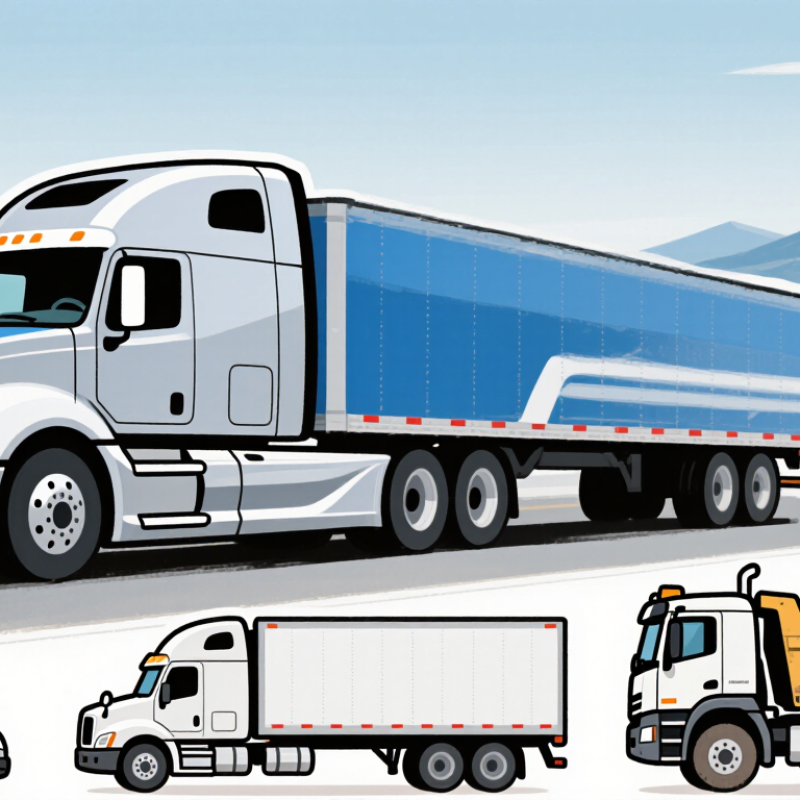
The best truck depends on what it carries, where it travels, and how often it stops. Cargo vans and light-duty trucks suit tools, small loads, and narrow city streets. Box trucks protect furniture and parcels during local deliveries. Flatbeds carry long or bulky materials, while refrigerated trucks keep food and other temperature-sensitive goods cool. Dump trucks serve construction sites, where loose material needs quick unloading. For heavier freight over longer distances, tractor-trailers offer substantial payload capacity. Each type solves a different problem. That matters.
The U.S. Census Bureau’s 2022 Commodity Flow Survey identifies trucks as a leading mode for domestic freight shipments, underscoring their broad role in supply chains. For buyers weighing electric options, the International Energy Agency’s Global EV Outlook 2024 reports more than 54,000 electric truck sales worldwide in 2023, about 1.2% of all truck sales. Those figures show a growing option, not a universal answer. A careful comparison should include payload, route length, loading access, fuel or charging availability, and maintenance support. A common misstep is choosing for maximum capacity alone; an oversized truck can be awkward on tight routes and costly to operate. One detail is easy to miss: the real workload may change by season.
Comparing Payload, Fuel Efficiency, Safety, and Reliability
What Is the Best Transport Truck to Buy in 2026?
For a transport truck, “best” depends on the loads, routes, and hours it works. Start with payload, not headline capacity. A truck carrying dense goods may reach its legal limit before its cargo space looks full. Payload comes first. Check rated capacity after accounting for the body, tools, fuel, and regular equipment. A generous figure on paper can shrink quickly.
Fuel efficiency matters across the whole route. Stop-and-go deliveries, steep grades, and long highway runs reward different setups. Compare expected fuel use under your operating conditions, not only a brochure estimate. It adds up. A higher purchase price may be worthwhile if the truck consistently uses less fuel. Still, calculate possible savings against maintenance and financing costs.
Safety and reliability deserve equal attention. Look for clear visibility, stable braking, driver-assistance features suited to your routes, and an easy-to-service design. Ask fleet operators about downtime, parts availability, and repair intervals. Real work records can be more useful than confident sales language. But reports may be incomplete, and one operator’s experience might not match yours. Shortlist options, review service records, and test a truck with a representative load. A quiet cab is nice. A missed delivery is not.
What Is the Best Transport Truck to Buy in 2026?
Compare payload, fuel efficiency, safety, and reliability against the needs of your operation.
This illustrative scorecard assigns equal priority to each factor; it is not a rating of specific trucks or measured vehicle data. Actual payload and fuel economy vary by vehicle configuration, load, route, and operating conditions. Check published specifications and independent safety and reliability information when comparing options.
Evaluating Purchase Price, Operating Costs, and After-Sales Support
A transport truck’s best price is the one that holds up on real routes, not simply the lowest quote. Compare the purchase price with financing, resale value, fuel use, tires, maintenance, and downtime over your planned ownership period. The American Transportation Research Institute’s 2024 update estimated average U.S. trucking operating costs at $2.27 per mile in 2023. Treat that figure as a benchmark, not a forecast for your fleet. Small route differences matter. Stop-start urban work can increase idle time and brake wear, while highway work makes fuel efficiency and service intervals especially important.
Include after-sales support in the same cost comparison. Ask for written labor rates, parts availability, warranty exclusions, mobile-repair coverage, and typical repair turnaround. Check claims with nearby operators; advertised capacity may not reflect a busy Monday morning. ATRI tracks repair and maintenance as a separate expense category, underscoring that upkeep is recurring. A higher-priced truck may offer better value if common parts arrive quickly and service appointments are reliable. Still, estimates are imperfect. Use your own mileage, payload, fuel prices, and repair records to test the numbers before buying.
Matching Truck Features to Your Routes and Cargo Needs
A transport truck should fit the route and cargo, not merely offer the largest payload rating. For repeated urban deliveries, a shorter wheelbase and tight turning circle can make narrow loading bays less stressful. Frequent stops also make easy cab access and responsive low-speed control practical priorities. Long highway runs call for different choices: a sleeper cab, stable handling, and gearing suited to the usual cruising speed. Check the body dimensions against real dock doors and loading equipment. A little clearance matters.
Cargo weight is only part of the calculation. Pallets, liftgates, refrigeration units, and other equipment all reduce usable payload. ATRI’s 2024 Operational Costs report estimated average marginal operating costs for U.S. trucking at $2.270 per mile in 2023. That fleet-wide figure is not a quote for one truck, but it shows why route efficiency and maintenance deserve attention alongside purchase price. Match axle capacity and suspension to actual loads, then compare fuel or energy use across representative routes. Electric trucks may suit predictable, shorter duty cycles when charging access and operating range fit the schedule. The fit is rarely perfect. A tidy spreadsheet can still miss a steep grade, winter detour, or awkward delivery entrance.