
7 Best Research Chemical Sourcing Tips for Buyers

Sourcing Research Chemicals is not just a matter of comparing prices. For legitimate laboratory work, buyers need materials that match a defined research purpose and meet applicable institutional and regulatory requirements. A polished product page can look convincing. It is not proof of quality.

Reliable purchasing starts with verifiable details. Check the supplier’s business identity, product specifications, lot number, and available Certificate of Analysis. Review the Safety Data Sheet before purchase, including storage conditions, handling guidance, and disposal information. A clear document should identify the material and its tested properties. If key details are missing, ask the supplier directly. Keep the response.

Practical checks matter. Compare the label with the paperwork when an order arrives. Inspect the container, seal, and lot information before accepting it into laboratory inventory. Confirm that shipping and storage arrangements suit the material, and follow your institution’s purchasing and safety procedures. Price alone can be misleading; a low quote may come with weak documentation or unclear support. Still, even careful screening has limits. Documents can be incomplete, and a supplier’s claims may need independent review. These seven sourcing tips offer a disciplined starting point for evaluating vendors, reducing avoidable procurement risks, and making better-informed decisions. They cannot replace qualified safety advice or local requirements. Even a tidy checklist can miss something.
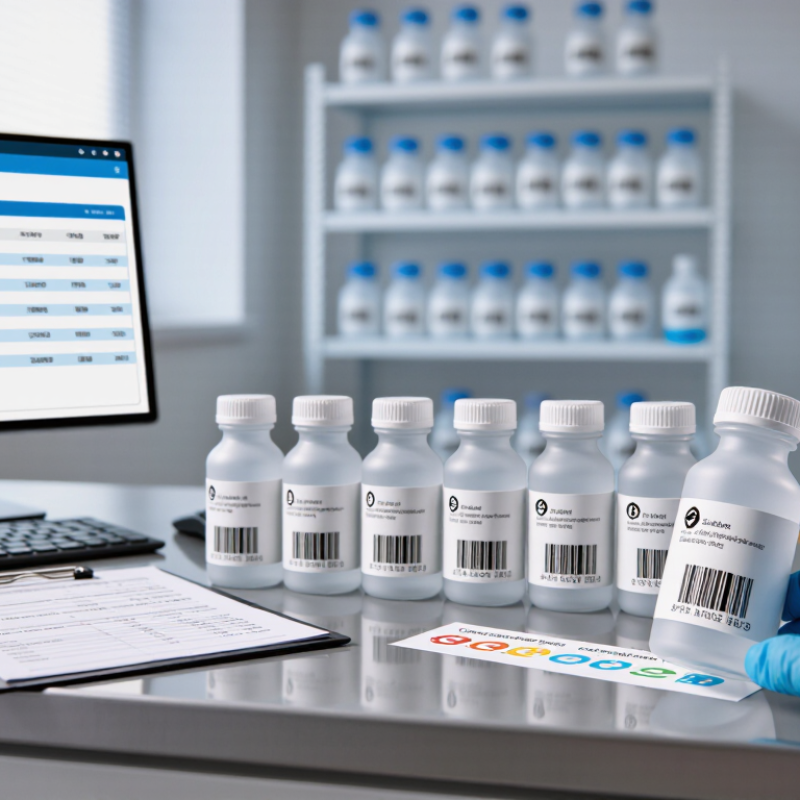
7 Best Research Chemical Sourcing Tips for Buyers

Define Research Requirements and Intended Use

Before requesting a research material, write down the question your study must answer. Specify the assay, target, required quantity, purity range, and acceptable form, such as powder or solution. Also note storage conditions and the analytical method used to confirm identity. Small details matter. A compound suitable for one method may interfere with another. Keep the intended use specific and within your institution’s approved research scope.

Define acceptance criteria before comparing suppliers. Ask for a lot-specific certificate of analysis, safety data sheet, and available identity or purity testing results. Check that the documentation matches the product label and lot number. The OECD’s Principles of Good Laboratory Practice emphasize traceable records and controlled study materials. That is not paperwork for its own sake. A 2015 analysis in PLOS Biology estimated that irreproducible preclinical research costs about $28 billion annually in the United States. Clear specifications cannot prevent every error, but they can make sourcing decisions easier to review and repeat. I still find that teams sometimes choose a familiar specification without asking whether the assay truly needs it. That pause is worthwhile.

Confirm Legal Status and Institutional Approval

Before requesting a research material, verify its legal status where it will be received and used. Requirements may vary by chemical form, concentration, intended use, and shipping route. Check current government registers, then ask your institution’s compliance or environmental health and safety office to confirm. Keep dated records: the relevant register entry, safety data sheet, supplier documentation, and written approval. Don’t rely on an old webpage. It happens.

Institutional approval should come before purchase. Confirm the material fits an approved protocol, risk assessment, storage plan, and authorized personnel list. Procurement may require principal investigator sign-off or extra review for unfamiliar materials. A 2016 Nature survey of 1,576 researchers found that more than 70% had failed to reproduce another researcher’s experiments; over half had struggled to reproduce their own. The survey did not assess sourcing, but it highlights why traceable identity and batch records matter. Record the lot number on arrival. Photograph the label. Small details matter. If a policy is unclear, request a written determination before ordering. That delay can be frustrating, but assumptions are harder to correct later.

Assess Supplier Credentials and Product Traceability

A dependable supplier should be able to show more than a polished website. For institutionally approved, lawful research, verify its business registration, quality procedures, and relevant independent certifications. Check that certificates are current and cover the work being offered. A logo on a webpage is not enough.

Look closely at each product’s documentation. A lot-specific certificate of analysis should identify the batch, test methods, measured results, and review date. Compare its batch number with the container label. Ask for a safety data sheet, storage guidance, and clear shipping records. Small details matter: a missing date or vague test method deserves a follow-up question. Even a tidy certificate can leave gaps.

Traceability should continue from dispatch to receipt. Confirm how the supplier records batch changes, handles damaged packaging, and answers quality complaints. Keep purchase records and documents together, then check them when the shipment arrives. If answers are slow or inconsistent, pause and seek clarification. This takes extra time. It can also prevent avoidable confusion later. No document replaces your institution’s own safety review, and supplier claims should be independently checked where practical.

Review Quality Standards and Supporting Documentation

When evaluating research chemicals for legitimate laboratory work, treat documentation as part of the product, not an optional extra. Request a lot-specific certificate of analysis (CoA), rather than a generic sample sheet. It should identify the material, batch number, test date, measured purity, and analytical method. Where relevant, check for details such as the chromatography method used.

A purity figure without a method is weak evidence. So is a document with no lot identifier. Compare the label, invoice, and CoA for matching names and batch codes. Small mismatch, big pause.

An SDS should also explain hazards, storage conditions, and appropriate protective measures. Even a tidy PDF can leave gaps.

Review how the supplier supports its claims. Ask whether testing is performed in-house or by an independent laboratory, and whether the report covers the specific batch being offered. Check that stated quality limits are clear and consistent across documents. For institutional purchasing, confirm that the material fits approved research protocols and internal procurement requirements.

Keep dated copies of records and note any unanswered questions before placing an order. These steps take time. They can also reveal when a supplier’s paperwork is polished but incomplete.

No document guarantees a perfect batch, so receiving checks and suitable verification remain important. Keep records.

Plan Safe Handling, Storage, and Disposal

Before ordering, request a current safety data sheet and lot-specific documentation. Check that the label, container, and paperwork agree when the package arrives. If a seal is broken or a label is unclear, pause and ask a qualified safety contact before opening it. Labels matter. Choose packaging that protects the contents during transport and can be handled safely at your facility. A tidy label can still leave important questions unanswered.

Plan storage before the material reaches the bench. Follow the safety data sheet and your facility’s risk assessment for temperature, light, ventilation, and compatibility. Keep containers closed, clearly labeled, and inside suitable secondary containment. Separate incompatible materials, maintain an inventory, and restrict access to trained personnel. Keep it secure. Select gloves and other protective equipment based on the documented hazards, not habit. Requirements vary, and guessing is not a good shortcut.

Set aside a clearly marked waste container before work begins. Follow your facility’s approved disposal process; never pour chemical waste into a sink or place it in ordinary rubbish. Keep waste labels legible and record what enters the container. For spills, use the written response plan and trained responders. I have seen how easy it is to assume a small amount is harmless. That assumption deserves a second look.

7 Best Research Chemical Sourcing Tips for Buyers

Plan safe handling, storage, and disposal by checking each item on this buyer checklist. Bars show the number of checks included in each tip; these are checklist counts, not survey results or safety ratings.

Use the product’s safety data sheet and applicable local requirements to confirm handling, storage, and disposal instructions.

Let's Build Together

Contact Us: Call 435-563-3503

-OR-  Fill in the form below and we will call you back.

Copyright © 2025CNC Fabrication. All Rights Reserved.