10 Best Outdoor Flashlights for Camping and Hiking
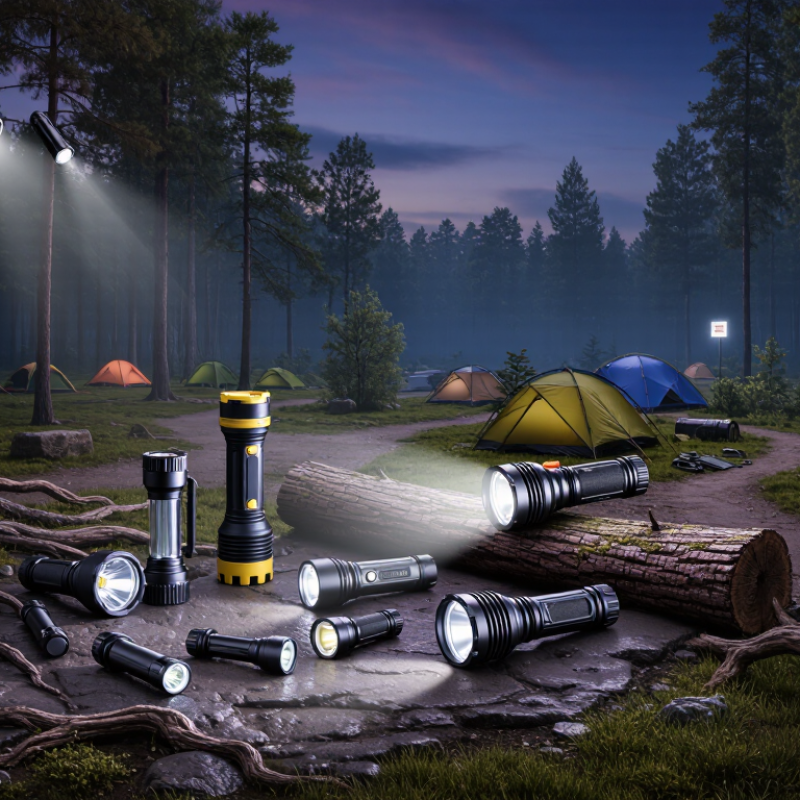
A campsite changes after sunset. Tent fabric swallows the last light, wet stones shine underfoot, and a distant trail marker can disappear in a narrow beam. The right Outdoor Flashlight makes those small decisions easier. For camping and hiking, brightness is only one part of the choice. Beam shape, grip, battery life, weather resistance, and simple controls matter when your hands are cold or you are packing in the dark.
Lighting researcher Dr. John D. Bullough studies how lighting affects visibility and human activity. A useful takeaway from that field is: “Useful light helps you see what you need, not merely a bigger lumen number.” This is an editorial paraphrase, not a verbatim quotation. It points to a practical test: can the beam reveal roots near your boots and still help you find a tent beyond the trees? More output can help, but it may also drain a battery sooner or create glare on nearby surfaces.
The ten picks in this guide are considered for real outdoor tasks, from setting up camp to following a marked path after dusk. We also look at weight, charging options, beam adjustment, and ease of use. No single light suits every trip. And specifications do not tell the whole story. A flashlight that feels secure in a pocket may be awkward with gloves; that detail is easy to overlook.
Understanding Outdoor Flashlights for Camping and Hiking
Outdoor flashlights serve different needs on a wooded trail, at a campsite, or during a wet evening walk. The Outdoor Industry Association’s 2024 Outdoor Participation Trends Report counted 175.8 million U.S. outdoor recreation participants in 2023. That wide range of activities calls for more than a single “brightest” rating. A narrow beam can help spot trail markers, while a broader beam makes it easier to find gear near a tent. Both matter.
The ANSI/PLATO FL 1 standard defines beam distance at the point where illumination falls to 0.25 lux. It measures runtime until output drops to 10% of its initial level. Useful, but not the whole story. A flashlight’s listed lumens do not show how comfortably its beam lights a rocky path or whether its output fades quickly. Cold weather can also affect battery performance, so check the specified operating conditions. For hiking, consider weight, grip, and controls that are easy to use with gloves. For camping, a stable low setting may be more practical than maximum brightness. I still find lumen numbers tempting; they look clear, but real trail visibility is messier.
Key Features for Comparing Flashlight Performance
When comparing outdoor flashlights, look beyond the maximum lumen figure. It describes brightness, not how evenly light reaches the trail. A wide beam can reveal roots near your boots, while a focused beam helps spot trail markers farther away. Neither is automatically better. Check whether the stated output is available only briefly or lasts through a longer setting. Runtime charts are more useful than a single headline number, though real results can vary with temperature and battery condition.
Weight, grip, and controls matter when your hands are cold or damp. A textured body is easier to hold, and a simple switch is less fiddly in the dark. Check the water-resistance rating and the maker’s notes on drops; neither means a flashlight is indestructible. Rechargeable batteries reduce spare-cell clutter, while replaceable cells can be handy on longer trips. I’ve found that a comfortable light often gets used more than a brighter, awkward one. Not always, but often.
Tips: Compare runtime at the brightness level you’ll actually use. Try the switch with gloves on, and check whether the beam lights both the ground and nearby obstacles. A tiny detail, perhaps: battery indicators can be hard to read in bright daylight.
Ten Outdoor Flashlights and Their Practical Strengths
For camping and hiking, a flashlight should match the task, not just advertise a high output. A compact pocket light is easy to keep within reach for checking a map. A penlight slips into a jacket pocket and suits quick gear checks. An AA-powered model is useful when charging is unavailable, though spare batteries add weight. A USB-C rechargeable light reduces disposable battery use; check its runtime at the brightness you will actually use.
A headlamp keeps both hands free for pitching a tent or walking uneven ground. A right-angle light can clip to a pack strap and illuminate a nearby path. A wide-beam floodlight spreads light across a campsite, while a focused-beam thrower helps spot trail markers farther ahead. Not all beam claims are equally useful. Peak brightness is easy to overvalue; runtime and beam shape matter too.
A dual-output flashlight offers a low setting for reading and a brighter one for route finding. A lantern-style flashlight can light a tent or picnic table without pointing a narrow beam at someone’s face. Look for a grippy body, simple controls, and a suitable water-resistance rating. Cold weather can shorten battery life, and wet hands make tiny switches fiddly. I would not choose by specifications alone; handling the light briefly can reveal an awkward button or slippery finish.
10 Best Outdoor Flashlights for Camping and Hiking
Ten outdoor flashlight types and their practical strengths
Ratings are illustrative 1–5 practical-fit scores, not laboratory measurements or product specifications. Headlamps score highly for hands-free hiking, while lanterns and area lights are better suited to illuminating a campsite.
Matching Flashlight Types to Trails and Campsites
Matching a flashlight to the route matters more than chasing the highest lumen number. The Outdoor Foundation’s 2024 Outdoor Participation Trends Report counted 61.7 million U.S. hikers in 2023, a reminder that trails range from crowded paths to remote, uneven terrain. For narrow trails after dusk, choose a focused beam with useful reach; it can reveal roots and trail markers before you reach them. Check beam distance and runtime together. ANSI/PLATO FL 1 testing defines beam distance at a low illuminance threshold and runtime until output falls to 10 percent of its starting level. A long advertised runtime may therefore include a much dimmer final stretch.
At campsites, a broad, softer beam is usually more practical. It lights a cooking area, tent entrance, or pack without forcing everyone to stare into a bright hotspot. A headlamp keeps both hands free for tent poles and stove setup, while a handheld light can be easier to aim across a wider clearing. Small details matter. Look for controls you can operate with cold fingers and a stable low mode for close tasks.
For mixed trips, a compact flashlight with adjustable beam patterns can cover both trail and camp use, though one light rarely excels at everything. I would check the low setting before buying; some lights remain uncomfortably bright inside a tent. Also consider water resistance and whether the switch is easy to find in the dark. One missed button is annoying. A wet, dropped light is worse.
Battery, Weather, and Nighttime Safety Considerations
Battery life matters more than a bright number on the package. Cold nights can drain batteries faster, so check the expected runtime at the setting you will actually use. A low setting often works for camp chores and preserves power. Carry spare batteries or a charged backup, and keep them dry in a small pouch. Match replacements to the flashlight’s specified type. I still tend to overestimate how long one charge will last.
Weather protection deserves a close look before a trip. Rain, wet snow, and a dropped light can expose weak seals. Check the stated water-resistance rating and follow its limits; “weather-resistant” does not mean safe to leave submerged. After a damp hike, wipe the flashlight dry and inspect the battery compartment for moisture. Small details count. A loose cap can let water in.
At night, use only as much light as you need. A focused beam helps spot roots and rocks, while a wider beam makes camp tasks easier. Avoid shining it into another hiker’s eyes; bright glare can briefly spoil their night vision. Keep a backup light accessible, not buried beneath sleeping bags. Test both lights before leaving home. It is easy to forget. In unfamiliar terrain, pause to check your map rather than walking while staring at a screen.