
Which Are the Best Liposuction Aspirator Machines in 2026?

Choosing the best Liposuction Aspirator Machines in 2026 means looking beyond suction power. In clinical settings, predictable control, reliable operation, and a suitable setup matter. A machine should fit the procedure, the clinician’s technique, and the team’s workflow.

A useful expert lens comes from Dr. Jeffrey A. Klein, the dermatologist associated with developing tumescent liposuction. A principle drawn from his work, paraphrased here, is: “Control and technique matter more than suction power alone.” This is not a direct quotation. It is a reminder that equipment supports clinical judgment; it does not replace it.

This guide compares machines by practical features: vacuum control, collection capacity, portability, noise, maintenance, and manufacturer support. It also considers documentation and availability, which can differ by market. Small details count. A clear pressure display and an accessible canister may matter during a long operating day.

There is no perfect machine. Specs can mislead. Published figures do not always reveal how equipment feels in daily use, and this guide cannot replace hands-on evaluation by qualified professionals. Readers should verify current specifications with manufacturers and assess products with their clinical teams. The aim is a careful shortlist—not a universal winner—and a more informed view of which Liposuction Aspirator Machines may suit different professional needs.
Which Are the Best Liposuction Aspirator Machines in 2026?

What Is a Liposuction Aspirator Machine?

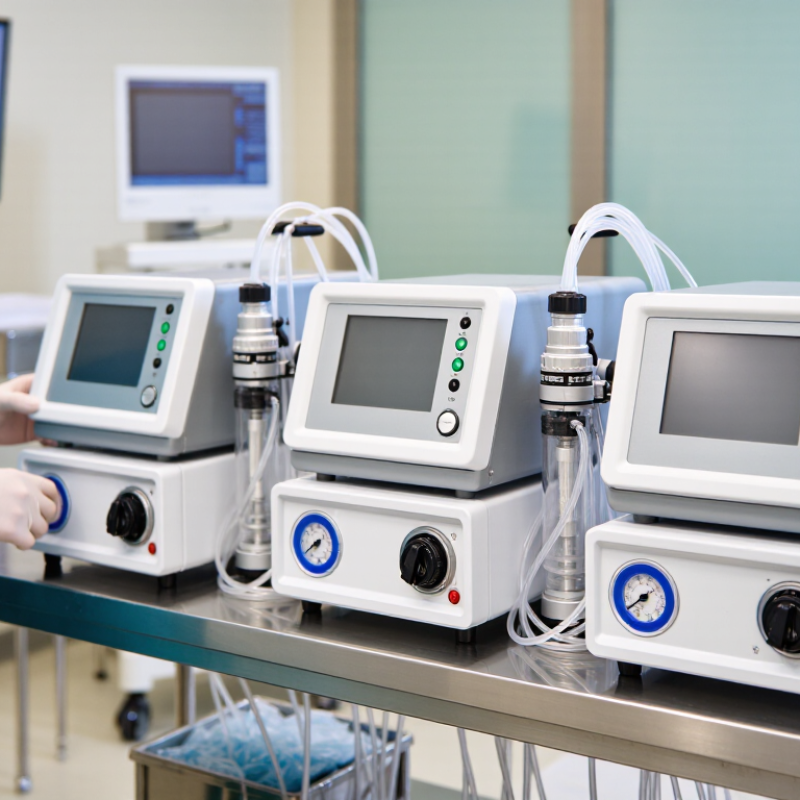
A liposuction aspirator machine creates controlled suction to draw fat through a hollow cannula and into a collection canister. Its core parts include a vacuum pump, pressure controls, tubing, and a sealed container. The surgeon moves the cannula beneath the skin while monitoring tissue response and suction. Small details matter: stable pressure, clear readings, and tubing that does not kink can support consistent operation. The machine removes aspirated material; it does not assess a patient or replace surgical judgment. That distinction matters.

The International Society of Aesthetic Plastic Surgery’s 2023 Global Survey estimated about 2.06 million liposuction procedures worldwide, making it the most frequently reported surgical aesthetic procedure that year. This figure describes procedures, not aspirator sales or device performance. It does show why understanding the equipment is useful. Some systems support conventional suction, while others may integrate powered cannula movement or fluid-management features. More features do not automatically mean better results. Clinicians should assess suction stability, canister capacity, alarms, cleaning requirements, and compatibility with their technique. There is no perfect specification sheet. In practice, setup, maintenance, and operator experience also shape how a machine performs.

Which Are the Best Liposuction Aspirator Machines in 2026?

Liposuction aspirators create adjustable negative pressure to remove fat through a cannula. The chart converts vacuum gauge readings from mmHg to equivalent pressure below ambient in kPa; it is a unit-conversion reference, not a recommended clinical setting or a comparison of machines.

When evaluating an aspirator, compare its adjustable vacuum control, collection-canister capacity, overflow protection, filtration, portability, and service support. Follow the device instructions and qualified clinical guidance for operating settings.

How Liposuction Aspirators Work in Clinical Practice

In clinical practice, a liposuction aspirator creates controlled negative pressure to draw fat and fluid through a cannula. The cannula connects to sterile tubing and a collection container, where the aspirated material can be observed. The machine supports the procedure; it does not perform the clinical judgment.

Before use, the care team checks the suction system, connections, container, and sterile field. During treatment, the clinician moves the cannula through planned areas while monitoring tissue response and the collected material. Suction settings are selected for the patient and procedure, rather than treated as one-size-fits-all.

Small details matter. A loose connection or poorly positioned container can disrupt workflow.

An aspirator’s practical value depends on consistent suction, clear controls, reliable fluid collection, and straightforward cleaning between cases. Staff should also understand alarms and follow the device’s instructions.

Even a well-maintained system cannot make tissue response perfectly predictable. That is worth remembering. Patient selection, anesthesia, sterile technique, and the clinician’s training remain central to safety and results.

A quiet motor may be helpful in a busy room, but comfort and convenience alone do not establish clinical suitability.

Which Features Matter When Comparing Aspirator Machines?

Which Are the Best Liposuction Aspirator Machines in 2026?

Which Features Matter When Comparing Aspirator Machines?

A useful comparison starts with suction performance under real working conditions. Check whether the machine maintains steady vacuum as tubing and cannulas are used, not just its advertised maximum. A clear gauge and easy-to-adjust controls help clinicians respond to changes. Peak numbers alone can mislead.

The American Society of Plastic Surgeons’ 2023 Procedural Statistics report recorded 347,782 liposuction procedures in the United States, a 7% increase from 2022. That figure shows procedure volume, not which aspirator performs best. Still, it makes reliability worth close attention. Ask about collection-canister capacity, overflow protection, filter replacement, and whether the tubing connections match the clinic’s setup. Small practical details matter.

Listen to the unit in the room. Noise, footprint, caster stability, and access to routine maintenance affect daily use. Review service availability and the written maintenance schedule, too. A machine that is difficult to clean or maintain may create avoidable downtime. I would not rank equipment from a spec sheet alone; hands-on evaluation is imperfect, but often revealing. A qualified clinical and biomedical team should assess the device against its intended use and facility procedures.

How Leading Liposuction Aspirators Compare in 2026

In 2026, leading liposuction aspirators are best compared by how consistently they perform during real procedures, not by headline suction numbers alone. Stable vacuum control can help clinicians maintain a predictable feel as tissue resistance changes. Clear pressure displays, responsive controls, and accessible emergency stops also matter. Small details matter.

Look closely at how each system handles fluid collection. A securely fitted canister, easy-to-read fill markings, and straightforward replacement can reduce interruptions in a busy treatment room. Noise, vibration, and tubing layout affect staff comfort too, especially during longer cases. A compact unit may suit a crowded room, while a larger setup may offer more convenient storage or capacity. Neither is automatically better.

Service access and routine cleaning deserve equal attention. Ask about compatible tubing, filter replacement, maintenance intervals, and local technical support. A polished specification sheet is useful, but it cannot show how a machine feels under a clinician’s hand. That part is easy to overlook. When comparing models, qualified teams should review current manufacturer documentation and assess equipment against their procedures, room setup, and training. Clinical judgment remains essential; specifications alone do not establish suitability for every patient or practice.

How to Choose a Machine for a Clinical Setting

Choosing a liposuction aspirator for a clinical setting starts with the procedure, not the brochure.

The American Society of Plastic Surgeons reported 347,782 liposuction procedures in the United States in 2023, a 7% rise from 2022. That volume makes workflow and dependable servicing practical concerns. Fit matters.

Check that the unit offers controllable, stable suction across the settings your clinicians use. Confirm canister capacity, overflow protection, filter availability, and compatibility with your tubing and collection system. A full canister during a case is a small detail until it interrupts the room.

Assess the machine in the actual treatment space. Listen to its noise level, test the foot control, and see whether staff can move it around a crowded table. Review the manufacturer’s instructions for cleaning, preventive maintenance, and alarm checks; document service intervals and staff training.

Ask for evidence of electrical safety testing and a clear repair pathway, rather than relying on a sales claim. The FDA’s guidance on medical-device servicing emphasizes that maintenance can affect device performance and safety.

No shortcut. A quieter machine may still be a poor choice if filters are difficult to source or suction fluctuates under load. I would also leave room for doubt: a showroom demonstration cannot reproduce every clinical setup, so trial the unit with your team before purchase.

Let's Build Together

Contact Us: Call 435-563-3503

-OR-  Fill in the form below and we will call you back.

Copyright © 2025CNC Fabrication. All Rights Reserved.