10 Best Trash Cabinets for Kitchens in 2026
A kitchen bin rarely appears in design magazines, yet it affects every meal, cleanup, and recycling decision. This guide, “10 Best Trash Cabinets for Kitchens in 2026,” examines storage capacity, odor control, ventilation, durability, and installation flexibility. It also considers real kitchen constraints, including narrow doors, uneven floors, and limited drawer clearance.
The United States Environmental Protection Agency reported 292.4 million tons of municipal solid waste in 2018. That equals about 4.9 pounds per person daily. The World Bank has also projected global waste could reach 3.40 billion tonnes annually by 2050. These figures make organized household waste storage more relevant, even when the cabinet itself seems small.
William McDonough, a leading circular-design expert, stated, “Waste equals food,” in Cradle to Cradle. His idea encourages better material choices and more thoughtful product lifecycles. However, no Trash Cabinet solves waste problems alone. A cabinet can hide a full container, but it cannot improve careless sorting or excessive packaging.
The selected models reflect current kitchen needs, from compact pull-out units to larger double-bin systems. Some offer smooth runners and removable liners. Others depend heavily on precise measurements. That detail matters. A beautiful cabinet can become frustrating when its door hits the dishwasher.
This review uses manufacturer specifications, established waste research, and practical installation considerations. It also leaves room for doubt. Ratings can change with household size, cooking habits, and local recycling rules. The best Trash Cabinet is not always the most expensive one. It is the model that remains clean, accessible, and useful every day.
What Makes a Kitchen Trash Cabinet Effective in 2026
What Makes a Kitchen Trash Cabinet Effective in 2026
An effective kitchen trash cabinet should hide waste without making disposal difficult. In my experience, the best designs place the bin near the food-preparation area. A smooth pull-out mechanism matters, especially when both hands are busy. The cabinet should also close quietly and remain stable on uneven flooring. Small details make a difference. A removable inner container simplifies cleaning after leaks or torn bags.
Tips: Measure the cabinet opening, bin height, and door clearance before buying. Choose ventilation gaps when possible, because trapped moisture can create unpleasant odors. A separate compartment for recycling is useful, but it should not reduce the main bin’s capacity. Check whether replacement liners fit easily. That detail is often overlooked.
Durable materials, sealed edges, and rust-resistant hardware support long-term use. Families with children may prefer soft-close doors and rounded internal edges. Pet owners should inspect the latch carefully, since curious animals can open weak doors. Odor-control filters may help, but they cannot replace regular washing. I have found that even a well-designed cabinet performs poorly when the bin is too small. This is where many product descriptions feel optimistic. Real kitchens are messier than showroom photographs. A practical cabinet should handle daily spills, heavy bags, and imperfect habits without becoming another chore.
10 Best Trash Cabinets for Kitchens in 2026
What Makes a Kitchen Trash Cabinet Effective in 2026?
This comparison uses realistic residential cabinet formats and their typical waste-storage capacity in liters. In 2026, an effective kitchen trash cabinet should provide sufficient capacity, use available space efficiently, offer easy access for cleaning, and support separate waste and recycling collection. Actual capacity depends on cabinet dimensions, bin shape, and installation clearance.
Key Features to Compare Before Buying a Trash Cabinet
Choosing among the 10 best trash cabinets for kitchens in 2026 starts with accurate measurements. Measure the cabinet opening, door swing, floor clearance, and nearby plumbing. A cabinet that looks compact online may block a drawer in real use. Allow extra space for the bin handle and removable liner. Small gaps matter.
Capacity should match household habits, not just kitchen size. A two-person home may need a 10-gallon bin, while busy families often need 20 gallons or more. Check whether the cabinet supports one large container or separate recycling bins. Adjustable dividers are useful, but weak dividers can shift under daily pressure. I once chose a narrow pull-out cabinet and regretted it when the liner repeatedly caught on the frame.
Material quality affects hygiene and service life. Powder-coated steel resists stains, while sealed wood panels can match surrounding cabinetry. Look for smooth, nonporous surfaces and removable trays beneath the bin. These trays catch leaks before they reach the cabinet floor. Soft-close slides reduce noise, but confirm their weight rating. A full trash container becomes surprisingly heavy. Ventilation can also limit trapped odors, although no vent replaces regular cleaning.
Check installation requirements before buying. Some models need side clearance, reinforced panels, or specific mounting heights. Door-mounted systems save space, yet they may feel unstable when overloaded. Test the handle position and opening force if possible. A reliable cabinet should be easy to clean, steady during use, and simple to repair when a slide or hinge wears out.
The 10 Best Trash Cabinets for Modern Kitchens
The 10 Best Trash Cabinets for Modern Kitchens
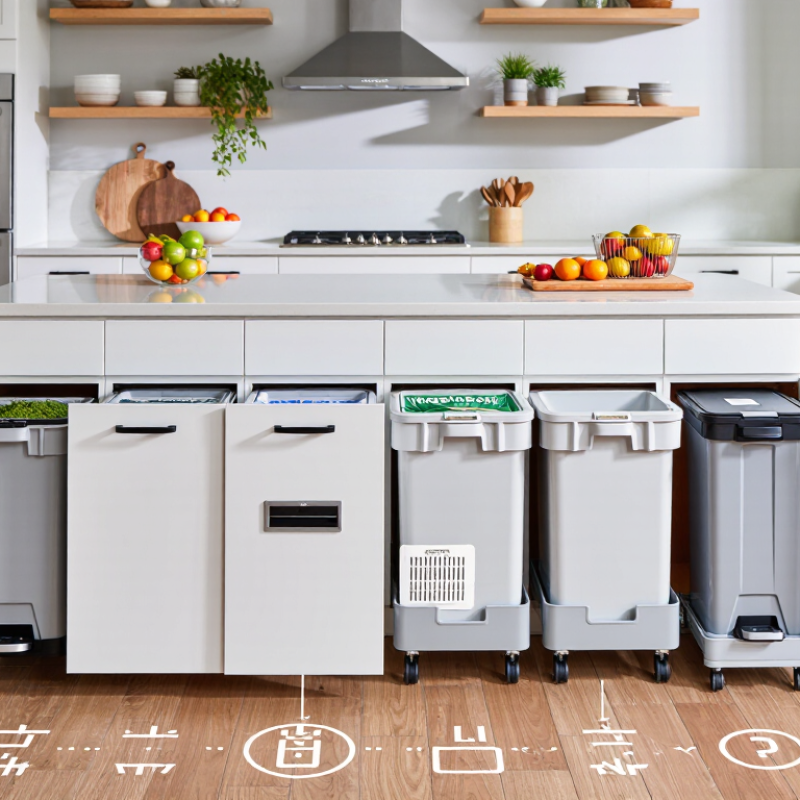
The best trash cabinets hide waste without slowing daily kitchen work. A double-bin pull-out cabinet suits homes that separate trash and recycling. A single-bin cabinet saves space in compact kitchens. Deep drawer cabinets offer easy access for children and older adults. Tilt-out cabinets work well near food preparation areas. Under-sink cabinets use awkward space, but plumbing can limit capacity.
Corner cabinets provide valuable storage in larger kitchens. Slim cabinets fit beside dishwashers or narrow counters. Ventilated compost cabinets help control moisture and odors.
Soft-close cabinets reduce noise during early mornings. Heavy-duty cabinets support larger containers and frequent use. These ten designs cover most modern kitchen layouts.
Measure the opening, not just the cabinet’s outside width. Leave room for hinges, handles, plumbing, and full door movement. I prefer removable inner bins because leaks become easier to clean. Smooth, sealed surfaces also resist stains better than unfinished wood. Check the load rating before choosing a large container. A full bin becomes surprisingly heavy.
One detail is easy to miss. Small gaps can trap crumbs and create unpleasant smells. I once chose a cabinet with excellent capacity but poor access. Cleaning it was frustrating. Good ventilation helps, yet it cannot replace regular washing. Choose a design that matches your cooking habits, floor space, and cleaning tolerance.
How to Choose the Right Trash Cabinet for Your Space
Choosing among the 10 best trash cabinets for kitchens in 2026 starts with your household’s actual waste habits. The U.S. Environmental Protection Agency reports that food waste represented about 24% of landfilled municipal solid waste. That makes odor control and easy cleaning practical priorities, not luxury features. Measure the cabinet opening, door swing, plumbing, and nearby drawer handles before shopping. A cabinet that looks compact online may block a dishwasher in real use.
Capacity should match your routine. A two-person home may manage with one 10–15 gallon bin, while larger households often need 20 gallons or more. Split compartments can separate recycling, compost, and trash, but they reduce space in each container. This trade-off is easy to underestimate. The U.S. EPA also identifies containers and packaging as a major portion of municipal waste, so sorting space deserves serious attention.
Look for full-extension slides, removable liners, sealed edges, and ventilation around the bin. Soft-close hardware helps, but it cannot fix an overloaded container. Moisture-resistant materials matter near sinks, where leaks are common. The 2024 Houzz U.S. Kitchen Trends Study shows that storage remains a major remodeling priority, yet more storage is not always better. A narrow pull-out may suit a small kitchen better than a deep cabinet. Check the bin height with its lid attached. Measure twice. Mistakes happen.
Installation, Organization, and Maintenance Tips
The best trash cabinets for kitchens in 2026 should fit your routine, not merely hide a bin. Measure the opening, door swing, and cabinet depth before ordering. Leave enough clearance for the container to slide out smoothly. Check nearby plumbing and electrical lines carefully. A level base prevents uneven doors and noisy movement. I once skipped that check, and the door rubbed against the frame. It was frustrating and avoidable.
Choose separate containers for general waste, recycling, and food scraps when space allows. Use removable liners with sturdy edges. They make spills easier to control. Keep spare bags in a narrow holder inside the cabinet door. Store cleaning cloths away from food-contact surfaces. A small label can prevent confused sorting during busy mornings. However, too many compartments may reduce usable capacity. I prefer simple sections that household members can understand quickly.
Maintenance protects the cabinet and reduces odors. Wipe the interior weekly with mild soap and warm water. Dry the base completely, especially around seams. Inspect hinges, slides, and mounting screws every few months. Tighten loose hardware before movement becomes unstable. Replace damaged liners promptly. Avoid abrasive powders, which can scratch finished surfaces. Ventilation helps, but it cannot fix leaking waste. I still occasionally overfill the bin, despite knowing better. That habit deserves attention.