Top 10 Benefits of Brass Die Casting for Global Manufacturers?

Brass Die Casting has emerged as a crucial manufacturing process for global industries, particularly in the automotive and electronics sectors. According to Frost & Sullivan, the global market for die casting is projected to reach USD 16.02 billion by 2025, with brass taking a significant share. This process allows for the production of highly detailed and strong components, which is vital for manufacturers aiming for quality and efficiency.

The durability and corrosion resistance of brass make it a preferred choice for various applications. However, there can be challenges in achieving perfect dimensional accuracy. Experts note that slight variations can occur during casting, which necessitates a focus on quality control measures. Despite these imperfections, the benefits of using brass in die casting often outweigh the drawbacks, providing manufacturers with an effective solution for producing robust parts.

As industries evolve, the demand for eco-friendly practices grows. Brass Die Casting can help meet this demand through efficient recycling. Manufacturers report that nearly 90% of brass scrap can be reused. Overall, embracing brass die casting can present significant advantages for manufacturers, enhancing both their productivity and sustainability strategies.
Top 10 Benefits of Brass Die Casting for Global Manufacturers?

Key Characteristics of Brass Die Casting That Enhance Manufacturing

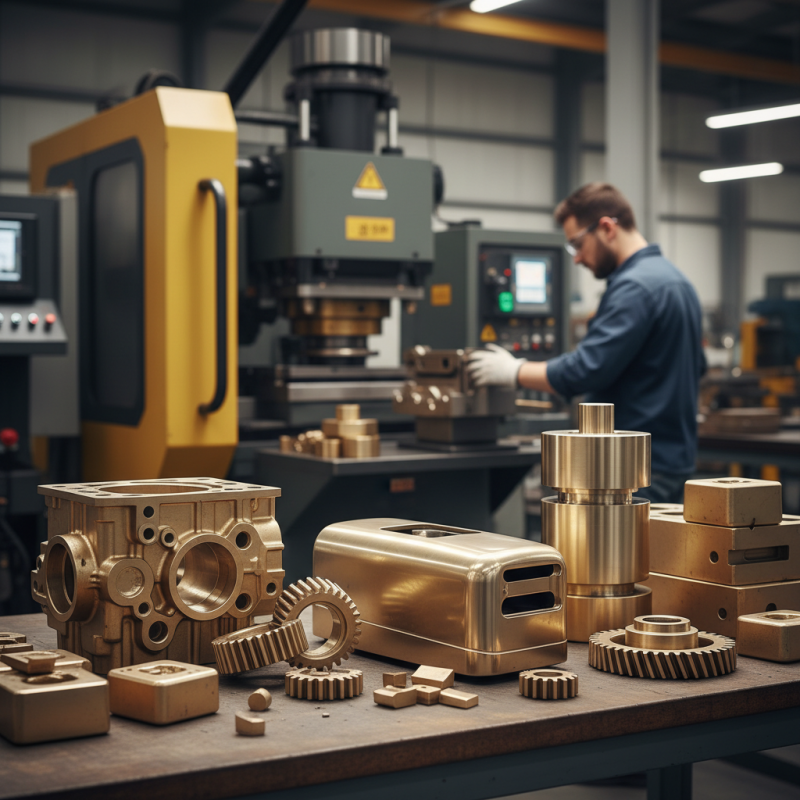
Brass die casting offers numerous benefits for global manufacturers due to its key characteristics. One important feature is its excellent machinability. Brass components can be easily inserted into assembly processes. This leads to increased productivity and reduced time on the shop floor. According to a recent industry report, the brass market is expected to grow significantly, driven by its high corrosion resistance and strength.

Another characteristic is the common use of brass in electrical contacts. Brass conducts electricity efficiently, making it popular in electronic devices. This is critical as the demand for electronic products continues to rise.

Tips: Focus on design efficiency. Evaluate how brass die casting can streamline your production process. Pay attention to cost factors. While brass die casting is efficient, ensure proper material selection based on the needed properties. Sometimes, alternatives may offer better economic advantages.

In addition, the aesthetic appeal of brass cannot be overlooked. For decorative applications, its natural golden hue enhances product value. However, manufacturers must consider proper finishes to avoid tarnishing. Adjusting these aspects can make a significant difference in final product quality and longevity.

Top 10 Benefits of Brass Die Casting for Global Manufacturers

Cost Efficiency: How Brass Die Casting Reduces Production Expenses

Brass die casting offers significant cost efficiency for global manufacturers. This manufacturing process creates precise and durable components while minimizing waste. The ability to produce complex shapes without extensive machining reduces labor costs. Thus, adoption of brass die casting can lead to significant savings over time.

Tips: Consider optimizing your die design. Streamlined designs can reduce material usage and lower production costs. Reducing the number of steps in the casting process can also lead to efficiency gains. Lean manufacturing principles can enhance overall operational costs.

Utilizing brass die casting also decreases energy consumption during production. This helps manufacturers achieve a smaller carbon footprint. However, it's crucial to evaluate initial setup costs. A well-planned approach can provide long-term benefits. Reflecting on these factors can lead to more informed decisions.

Durability and Strength: The Advantages of Brass for Die Cast Components

Brass die casting is increasingly favored by global manufacturers. This material offers exceptional durability and strength. Brass components can withstand harsh environments. Their resistance to corrosion makes them ideal in many applications. The longevity of brass parts reduces replacement costs over time.

In die casting, brass exhibits good fluidity. This allows for intricate designs without sacrificing strength. Manufacturers often appreciate this flexibility. However, achieving the perfect balance between design and functionality can sometimes be challenging. Getting the casting temperature right is critical. An improper temperature can lead to defects that affect performance.

Brass's aesthetic appeal also adds value. Its natural luster makes it suitable for visible components. Yet, the use of brass may not be lightweight, raising concerns for certain applications. Evaluating the weight versus durability trade-off is essential for manufacturers. They need to analyze specific project requirements to decide if brass die casting fits their needs.

Design Flexibility: Customization Opportunities with Brass Die Casting

Brass die casting offers unparalleled design flexibility for manufacturers. The use of this process allows for intricate shapes and detailed designs. Manufacturers can create unique components tailored precisely to specific applications. This level of customization is difficult to achieve with other materials or methods.

One major benefit lies in the ability to modify designs quickly. As market demands change, manufacturers can adapt their products without extensive delays. This responsiveness is crucial in today’s competitive landscape. Additionally, through brass die casting, various finishes can be applied. The results can range from polished surfaces to textured designs. This opens up even more possibilities for aesthetic and functional enhancements.

However, customization does require careful planning. Overly intricate designs might complicate production and increase costs. It's essential to balance creativity with practicality. In striving for unique designs, manufacturers may overlook simpler, more effective solutions. Continuous evaluation and adjustment remain key to a successful brass die casting strategy.

Sustainability: The Environmental Benefits of Using Brass Die Casting

Brass die casting presents substantial environmental advantages, making it a favored choice for manufacturers. The process reduces waste generation significantly. Traditional metal casting often results in up to 30% waste material. In contrast, brass die casting minimizes scrap metal, with some studies noting waste reduction by over 90%.

Recycling is another key benefit. Brass can be reused multiple times without losing quality. According to the Brass Industry Association, over 80% of brass is recycled, contributing to a circular economy. This not only conserves natural resources but also decreases the energy required for production. Engaging in brass die casting aligns with sustainable practices, emitting fewer greenhouse gases compared to other metals.

However, it's essential to recognize that the production of brass requires energy-intensive processes. Not all brass sourced is produced sustainably. The industry faces ongoing challenges, including sourcing ethical materials. This calls for more stringent practices to ensure responsible production. Awareness and improvements are crucial. Sustainable innovation in the brass die casting realm remains a work in progress, demanding ongoing attention from all manufacturers.

Let's Build Together

Contact Us: Call 435-563-3503

-OR-  Fill in the form below and we will call you back.

Copyright © 2025CNC Fabrication. All Rights Reserved.