What Is a Bath Ventilation Fan and How Does It Work?
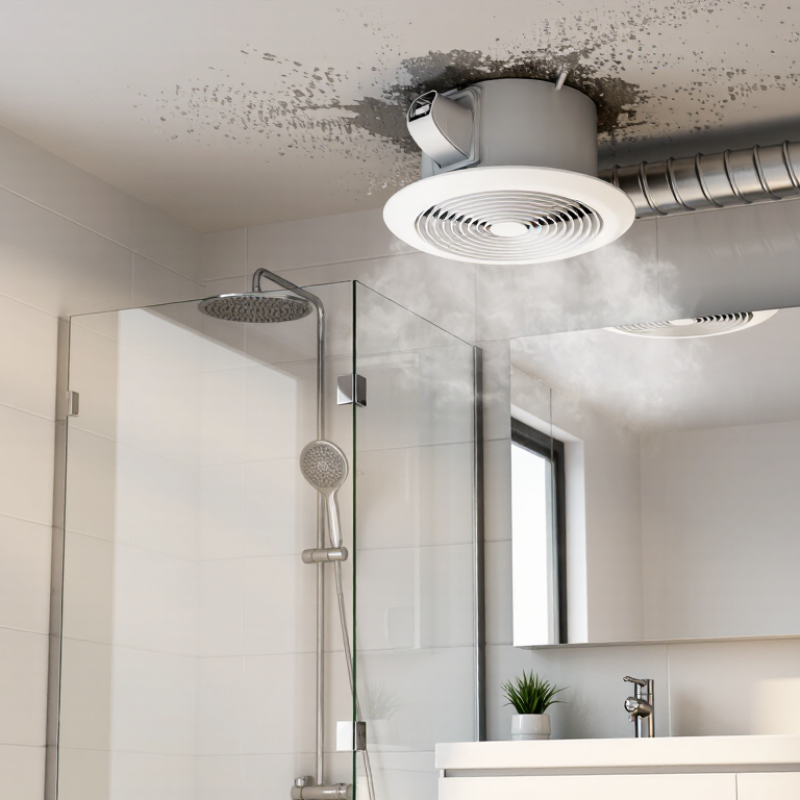
A Bath Ventilation Fan is a practical part of a healthy, comfortable bathroom. It removes humid air before moisture settles on mirrors, ceilings, and painted walls. When the fan runs, its motor turns an impeller that draws air through a grille. Ductwork then carries that air outdoors, where it can safely disperse.
It sounds simple. It is not always simple. Fan performance depends on airflow capacity, duct length, bends, exterior vents, and correct installation. A powerful fan may still work poorly if its duct is crushed or blocked. In a home I have inspected, condensation collected around a ceiling corner because the fan vented into the attic instead of outside. That detail mattered more than the fan’s advertised strength.
Reliable guidance should consider both manufacturer instructions and local building requirements. Airflow is commonly measured in cubic feet per minute, or CFM. A suitable rating should match the bathroom’s size and layout. Timers, humidity sensors, and quieter motors can also improve daily use, but they cannot correct poor duct design. Regular cleaning helps, too. Dust gathers quickly.
This guide explains what a Bath Ventilation Fan does, how its main components work, and why installation quality affects results. It also examines common warning signs, including lingering steam, peeling paint, musty odors, and unusual noise. Some advice may seem obvious, yet real bathrooms often reveal overlooked problems. Good ventilation is less about moving air loudly and more about controlling moisture consistently.
What Is a Bath Ventilation Fan?
What Is a Bath Ventilation Fan?
A bath ventilation fan is a small mechanical device that removes humid, stale air from a bathroom. It usually sits in the ceiling or high on a wall, where warm moisture collects. When switched on, the fan pulls air through a grille and sends it outdoors through a duct. This helps reduce condensation on mirrors, walls, and windows.
In practical use, the fan protects more than comfort. Regular ventilation can help limit mold growth, peeling paint, and moisture damage around ceiling joints. A timer switch is useful because the fan should often run for several minutes after bathing. The duct should end outside, not in an attic or ceiling cavity. That mistake can move moisture into hidden spaces. I once assumed a quiet fan was working well, but weak airflow showed a blocked grille. Noise is not a reliable performance test.
Tips: Clean the grille every few months. Hold a tissue near it while running; gentle suction suggests airflow. Keep the bathroom door slightly open when safe, allowing replacement air to enter. Check the duct for sharp bends, crushed sections, or loose connections. Electrical installation should follow local requirements and be handled by a qualified professional when wiring is involved. A fan that runs constantly may need inspection, not just a new switch.
How Does a Bath Ventilation Fan Work?
A bath ventilation fan removes humid, contaminated air from the bathroom and replaces it with drier air from nearby rooms. When switched on, its motor spins an impeller. The impeller creates a pressure difference, pulling air through the grille. Air then travels through a duct and exits outdoors through a wall or roof cap. It should not discharge into an attic.
The airflow matters more than the motor’s advertised speed. The Home Ventilating Institute recommends about 1 cubic foot per minute (CFM) per square foot for bathrooms up to 100 square feet, with 50 CFM as a common minimum. ASHRAE Standard 62.2 also identifies 50 CFM for intermittent bathroom exhaust, or 20 CFM for continuous operation. A long, narrow duct can reduce real performance. So can sharp bends, crushed sections, or a stuck exterior damper.
Moist air leaves first. Hot shower air rises toward the ceiling grille, where droplets may collect if airflow is weak. The U.S. Environmental Protection Agency recommends indoor relative humidity between 30% and 50%, helping limit condensation and microbial growth. A fan may run quietly yet move little air. That is an easy mistake. Hold a tissue near the grille; it should pull firmly, but this quick check cannot replace airflow testing. The fan also needs make-up air, usually through the door gap. A tightly sealed bathroom door can quietly restrict the system. The practical result depends on installation, duct design, cleaning, and user habits—not the fan alone.
Why Is Bath Ventilation Important?
A bath ventilation fan is a small exhaust device installed in a bathroom ceiling or wall. It pulls humid, stale air away from the room. The air then travels through a duct and exits outdoors. In my experience, a fan works best when it runs during bathing and for several minutes afterward.
Why is bath ventilation important? Warm showers create steam that settles on mirrors, tiles, ceilings, and painted surfaces. If moisture remains trapped, it can encourage mold growth, peeling paint, swollen wood, and unpleasant odors. It may also damage insulation or hidden framing over time. These problems often develop quietly. You may notice them only after repairs become expensive.
Good airflow protects the room and improves comfort. A properly sized fan should remove moisture without creating excessive noise or drafts. Keep the bathroom door slightly open when practical, because replacement air helps the fan operate efficiently. Clean the grille regularly. Dust can reduce airflow, even when the motor still sounds normal.
I have seen people blame a weak fan when the real problem was a blocked or poorly routed duct. That mistake is easy to make. A professional inspection can check the duct outlet, electrical connections, and airflow safely. Local building requirements may also affect installation details. A timer or humidity sensor can help, but these controls are not perfect. Humidity readings can change slowly, especially in a cold room.
What Is a Bath Ventilation Fan and How Does It Work?
A bath ventilation fan draws humid, stale air from the bathroom and exhausts it outdoors through a duct. This helps control moisture, reduce condensation, and protect walls, ceilings, and fixtures from long-term dampness.
Why Is Bath Ventilation Important?
Residential ventilation guidance commonly specifies a minimum bathroom exhaust rate of 50 cubic feet per minute (CFM) for intermittent operation or 20 CFM for continuous operation. Higher airflow removes humid air more quickly, especially after showers.
How Should a Bath Ventilation Fan Be Used and Maintained?
A bath ventilation fan removes humid air, odors, and airborne particles from the bathroom. It pulls air through a grille and sends it outdoors through ductwork. Proper use matters more than fan speed alone.
Turn the fan on before a hot shower and leave it running for about 20 minutes afterward. Keep the bathroom door slightly open, if privacy and household conditions allow. This creates a steady airflow path. A tissue held near the grille can show whether the fan is drawing air effectively. I often see fans used only during showers. That habit leaves moisture on mirrors, ceilings, and grout. No schedule works perfectly.
Tips: Clean the grille every few months with a soft brush or vacuum. Dust can restrict airflow and increase noise. Check that the outside vent flap opens freely and is not blocked by leaves, nests, or ice. Listen for new rattling sounds. They may indicate loose parts or duct problems. Do not spray water into the fan housing. Switch off the circuit before removing the cover. Electrical repairs should be handled by a qualified professional. If mold returns despite regular use, inspect duct routing, roof or wall discharge, and room airflow. A stronger fan is not always the answer. Sometimes, poor duct design is the real issue.