What Are Bait Bayonet Rigs and How Do They Work?
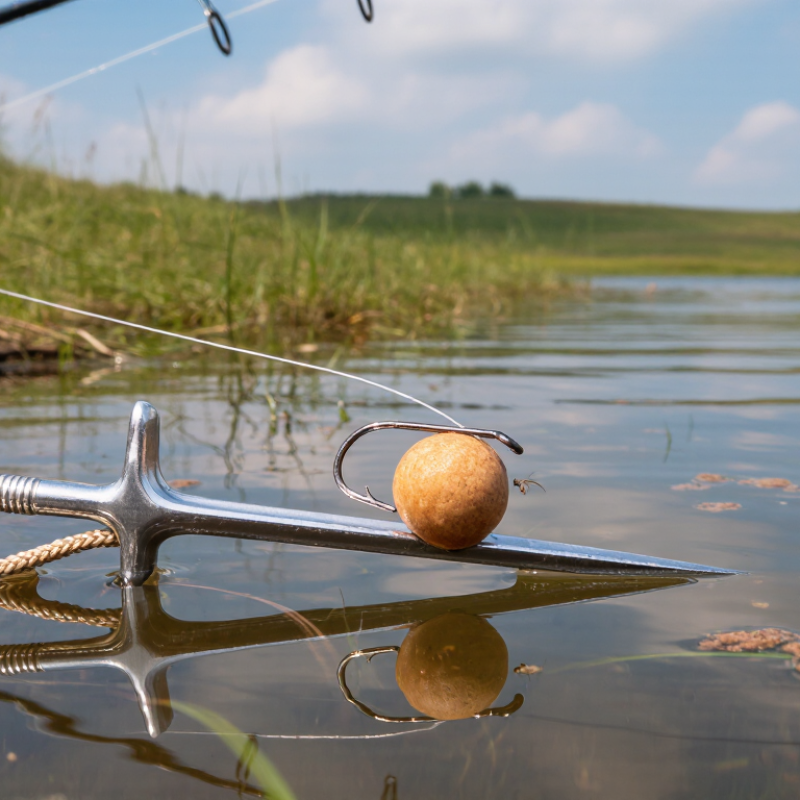
Bait Bayonet Rigs are a simple way to secure a hookbait without pushing a hair stop through it. A small metal spike, or bayonet, sits on the rig’s hair and holds the bait in place. Anglers often use this setup with boilies or other firm hookbaits. The bait stays close to the hook, while the hook remains exposed to turn and catch when a fish takes it.
Carp angler and tackle designer Danny Fairbrass is a prominent voice in the fishing industry. I can’t verify a direct quotation from him about this specific rig, so the line below is an editorial summary, not his verified words: “A reliable rig depends on secure bait presentation and a hook that can work freely.” That distinction matters.
This guide explains the rig’s parts, how to mount a bait, and what happens during a take. You’ll also see where the setup can fall short. A bayonet may grip a firm bait neatly, but soft or cracked bait can slip or split. Small details matter: the spike’s length, the bait’s texture, and the hook’s position all affect presentation. Test the arrangement beside the bank before casting. It is not magic. Even a tidy rig can behave differently across silty, weedy, or uneven ground, so observation—and a little doubt—are useful.
What Is a Bait Bayonet Rig?
A bait bayonet rig is a hair rig fitted with a short, pointed spike for holding a hook bait. The spike is pushed into the bait, often a boilie or wafter, while the hook hangs separately beside it. This leaves the hook point exposed and lets the bait move naturally. It is a simple setup. Bayonets suit firm baits best; soft baits can split or slide off during casting. The rig does not guarantee a take, and its presentation can look awkward if the bait is oversized.
The U.S. Fish and Wildlife Service’s 2022 National Survey of Fishing, Hunting, and Wildlife-Associated Recreation estimated that 39.9 million Americans aged 16 and older fished that year. The survey measures participation, not the effectiveness of particular rigs, so it cannot prove that a bayonet catches more fish. That distinction matters. Match bait size to the spike, and check that the hook can turn freely. A bulky bait may mask the hook or unbalance a small hookbait; anglers sometimes overlook this.
Tips: Push the spike into the bait’s center, then tug gently to test its hold. Check the point and connection before casting. If the bait tears, use a firmer bait or a different attachment.
What Are Bait Bayonet Rigs and How Do They Work? - What Is a Bait Bayonet Rig? | Dimension | Details | Practical Notes |
| What it is | A hair-rig attachment with a short, pointed spike or bayonet that holds hookbait without threading it onto a baiting needle. | The hook remains separate from the bait, allowing it to move naturally during a take. |
| Main components | A hook, a hair or short link, and a small bait spike attached at the end of the hair. | Some designs use a straight spike; others have barbs or a screw-like profile to help retain the bait. |
| How it works | The angler pushes the spike into the hookbait. The bait is then carried beside the hook on the hair when the rig is cast. | The spike should be inserted far enough to hold securely without splitting or excessively damaging the bait. |
| Common hookbaits | Boilies, wafters, pop-ups, dumbbell-shaped baits, and some firm pellets. | Very soft or crumbly baits may not stay on a spike as reliably as firm hookbaits. |
| Typical setup | Tie or attach the bayonet to the hair, position the hookbait on the spike, and check that the hook and bait sit neatly together. | Keep the hair length appropriate for the bait size and intended presentation. |
| Key advantage | Hookbait attachment is quick and does not require a baiting needle or a separate stop in many setups. | It can be convenient when changing hookbaits, provided the replacement bait fits the spike securely. |
| Limitations | A spike may not grip well in very soft, small, or brittle baits, and an oversized spike can split a hookbait. | Check bait retention before casting and replace damaged hookbait when needed. |
| When to consider one | When fishing a firm hookbait and looking for a simple, direct way to mount it on a hair rig. | Choose the attachment method to suit the bait’s texture, size, and the fishing conditions. |
Key Components of a Bait Bayonet Rig
A bait bayonet rig uses a short spike to hold a bait on a hair beside the hook. Its key components are the hook, hooklink, bayonet, and a connection that lets the bait sit securely.
The hook point should remain exposed, not buried beneath the bait. Small details matter. The spike may be fixed to a rig ring or attached near the end of the hair, depending on the design. Push the bait onto it gently; forcing it can split softer baits or leave them loose.
The hooklink joins the hook to the main line, often through a swivel or quick-change connection. Its length and stiffness affect how the hook and bait move, so there is no single setup that suits every bait or bottom.
A neat knot is useful, but check that the bait can turn freely without masking the hook point. I would not assume a tidy-looking rig is working well underwater.
Test the finished setup in a clear container: the bait should stay in place, and the hook should settle naturally.
That check matters.
How the Rig Presents Bait to Fish
A bait bayonet rig uses a short pin attached to the hair, the line of material extending from the hook. The angler pushes a boilie or other firm hookbait onto the pin, leaving the hook point uncovered. This keeps the bait close to the hook without threading it directly onto the hook bend. Small details matter. The bait should sit securely, but it should not be forced so tightly that it splits.
As the rig rests on the lakebed, the bait can move independently of the hook. When a fish sucks it in, the hook follows nearby and remains ready to turn. The exposed point may catch more cleanly than a buried one, though no setup guarantees a hookup. A balanced wafter can hover just above soft silt, while a denser bait may settle among gravel or weed. The result depends on bait buoyancy, hook size, and the bottom beneath it.
Check the presentation in shallow water before casting. Watch whether the hook lies flat and whether the bait masks its point. On thick weed, a pin-held bait may sit awkwardly; on firm ground, it can present neatly. It is easy to focus on the pin and overlook the hooklink angle. That angle matters, too. Small adjustments often help, but changing several parts at once makes it harder to tell what improved the rig.
How to Attach Bait to the Bayonet
A bait bayonet is a short, pointed pin attached to the hair rig beside the hook. It holds firm baits without threading them onto the hook. The bait stays clear of the hook point, helping the hook move freely when a fish takes it.
Choose a firm boilie or similar bait, then inspect the bayonet for damage. Hold the bait securely between finger and thumb, keeping them away from the hook. Press the point into the bait’s center and push it in straight until most of the pin is covered. Slow down. A crooked entry can split soft bait or leave it loose. If the bait cracks, use a firmer piece instead of forcing it.
Some bayonets have small ridges to grip the bait; others rely on a snug fit. Give the bait a gentle tug before casting. It should stay put without being crushed. Check that the hook point remains exposed and the rig hangs naturally. One detail is easy to miss: cold, damp bait may feel firm, then soften as it warms in your hands. Test the fit again before casting.
When and Where to Use a Bait Bayonet Rig
A bait bayonet rig uses a small spike to hold bait securely beside the hook. It can suit firm boilies or other hookbaits that resist splitting when pierced. The bait stays close to the hook, which can help keep presentation neat during a cast. Use it when small fish or repeated casts might otherwise loosen bait. Keep the bait size balanced with the hook. Too large, and the hook may not turn freely. Keep it simple.
Choose the rig for clean, firm areas such as gravel patches or hard clay, where the hookbait can sit clearly. It may also work over sparse low weed, but thick weed and soft silt can hide the bait or tangle the hooklink. Check the lakebed if possible, and test how the bait settles near the bank before casting far. A bayonet does not fix poor presentation. It is easy to assume the spike holds every bait equally well; soft or cracked bait can still come loose.
Tips: Push the spike into the bait’s center, then check that the hook point remains exposed. After retrieving, inspect both bait and hooklink for damage or debris. If the bait slips, try a firmer hookbait or a shorter cast.