7 Best Bursting Tester Machines for Global Buyers
Choosing the right Bursting Tester Machine can influence product quality, shipping confidence, and customer trust. For global buyers, the decision involves more than comparing prices or display screens. Paperboard, corrugated boxes, textiles, and packaging films may require different testing methods, pressure ranges, and fixture designs. A reliable machine should deliver repeatable results under controlled conditions.
This guide reviews seven Bursting Tester Machines selected for practical international purchasing needs. We consider pressure accuracy, calibration support, sample handling, software usability, safety features, and after-sales service. We also examine whether each model suits laboratories, packaging plants, or high-volume production environments. Small details matter. A stable clamp can prevent sample slipping. A clear digital display can reduce reading errors. Accessible spare parts can shorten unexpected downtime.
Experience shows that no single machine fits every buyer. Some lower-cost models appear attractive but may lack detailed calibration records or responsive technical support. That weakness is easy to overlook. Imported equipment may also require careful checks for voltage, language settings, installation space, and local service availability. Buyers should verify technical claims through manuals, test reports, and supplier communication. Product names alone prove little.
The following comparison aims to support a more informed decision. It does not replace laboratory validation or professional advice. Instead, it highlights realistic strengths, limitations, and purchasing questions. A good Bursting Tester Machine should not merely produce numbers. It should produce results that operators can understand, repeat, and defend.
What Is a Bursting Tester Machine and How Does It Work?
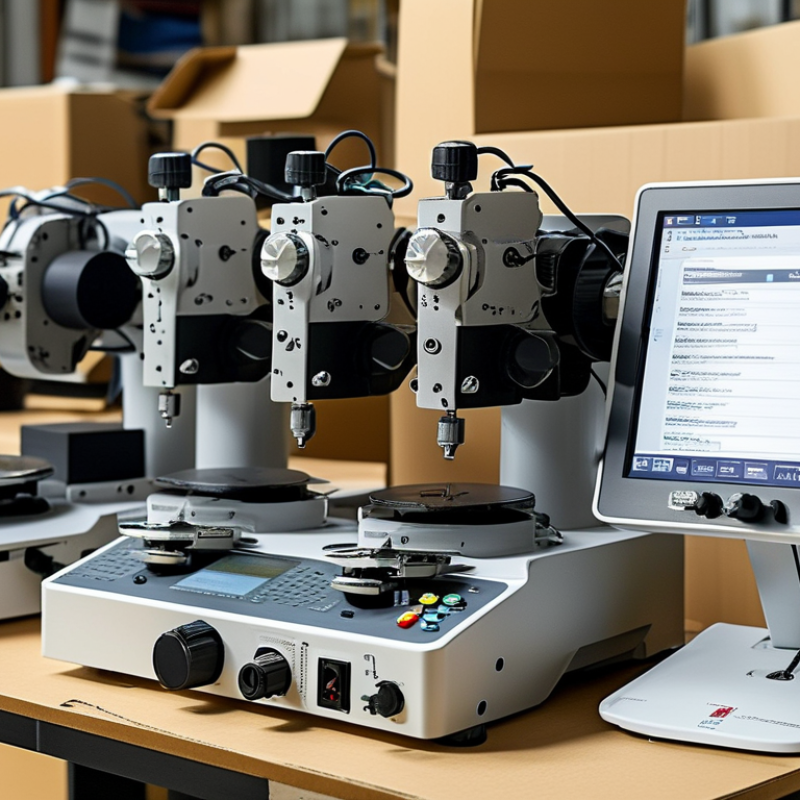
A bursting tester machine measures the pressure required to break paper, cardboard, films, textiles, or flexible packaging. It helps buyers compare material strength before production or shipment. The machine usually holds a test sample between two circular clamps. A rubber diaphragm then expands against the sample. Pressure rises until the material bursts. The recorded value shows its resistance at failure.
Modern models may use hydraulic or pneumatic pressure systems with digital sensors. The controller displays bursting pressure and may calculate related strength values. Accurate results depend on sample size, clamping force, pressure speed, and environmental conditions. Even small wrinkles can change the reading. In real testing, results are rarely perfectly neat. That is why repeated tests matter more than one impressive number.
Tips: Choose a tester with stable pressure control, clear data records, and simple calibration access. Check whether its test area suits your material thickness. Keep samples in a controlled temperature and humidity range before testing. Operators should inspect the diaphragm and clamps regularly. A rushed setup can produce misleading results, even with a well-built machine. Buyers should also confirm applicable testing standards and request service documentation. The most expensive option is not always the most reliable one.
Key Features to Compare in Bursting Tester Machines
7 Best Bursting Tester Machines for Global Buyers
Key Features to Compare in Bursting Tester Machines
Choosing a bursting tester starts with measurement accuracy, not appearance. Check the pressure range, resolution, repeatability, and calibration method. A reliable machine should produce stable readings across paper, cardboard, textile, or packaging samples. Look for calibration records that are easy to review. Traceable calibration supports quality audits and reduces disputes between suppliers and buyers.
The clamping system also deserves close attention. Strong, even clamping prevents sample movement and false results. Adjustable fixtures can help when materials have different thicknesses or surface textures. Confirm the required specimen size before purchasing. Small details matter. A touchscreen interface may improve daily work, but clear controls matter more than decorative software. Data export, test-result storage, and automatic report generation can save operators considerable time.
Safety and maintenance affect long-term value. Choose guarded moving parts, emergency stopping, and controlled pressure release. For busy laboratories, inspect the hydraulic or pneumatic system regularly. Ask how often seals, sensors, and pressure lines need replacement. A high maximum pressure is not automatically better. It may reduce sensitivity during low-strength tests. I have seen teams compare only price and maximum load, then overlook fixture quality and service access. That approach can create repeated testing, wasted samples, and uncertain decisions. Independent verification remains wise when results influence purchasing or production approval.
7 Best Bursting Tester Machines for Global Buyers - Key Features to Compare in Bursting Tester Machines
This comparison shows representative maximum bursting-pressure capacities commonly used for paper, paperboard, corrugated board, textiles, films, and other flexible materials. Higher capacity is useful for stronger materials, while lower-capacity systems can provide better control for lightweight samples.
When selecting a machine, also compare pressure resolution, measurement accuracy, clamping stability, test-area size, calibration traceability, automatic data recording, and compliance with applicable ISO, TAPPI, ASTM, or equivalent standards.
Seven Leading Bursting Tester Machines for Global Buyers
7 Best Bursting Tester Machines for Global Buyers
Seven Leading Bursting Tester Machines for Global Buyers
Global packaging demand is expanding, increasing the need for dependable bursting tests. Smithers reported that the worldwide packaging market reached about $1.05 trillion in 2023. It also forecasts approximately $1.22 trillion by 2028. For buyers, the right tester supports safer purchasing decisions and consistent quality control.
Seven leading machine configurations deserve attention. A digital hydraulic tester suits routine laboratory testing. A pneumatic model offers cleaner operation and reduced fluid handling. An automatic clamping tester improves repeatability for corrugated board. A touchscreen unit simplifies operator training. A high-pressure model supports thicker paperboard and industrial sheets. A compact tester fits small laboratories and field inspections. A programmable tester records pressure curves, averages, and failure points.
The ISO 2759 method measures bursting strength in kilopascals. It also requires controlled clamping and suitable test specimens. TAPPI testing guidance adds practical detail for paper and board evaluation. Buyers should check pressure range, calibration records, clamp size, and software export formats. These details matter during supplier audits.
Small differences become visible.
In my experience, automatic operation reduces handling errors, but it cannot replace skilled sampling. A machine may report precise numbers from poorly conditioned material. That result is still misleading. Testing rooms should follow stable temperature and humidity conditions, with traceable calibration at scheduled intervals. I would not choose a model only because it has more screens or faster cycles. That sounds impressive, but practical maintenance is often overlooked.
How to Select a Bursting Tester for Different Materials
Selecting a bursting tester starts with the material, not the machine’s advertised pressure range. Paper and linerboard commonly follow ISO 2758, while corrugated board uses ISO 2759. These standards define different test conditions and results. A tester for thin paper may not suit dense shipping board. Clamp pressure, diaphragm movement, and sample size can change the reading.
For flexible films, textiles, or laminated sheets, confirm whether bursting strength is the correct property. ISO 13938-1 applies to textile fabrics, while film testing may require a puncture or pressure method instead. Smithers’ 2024 packaging market forecast places global packaging demand above US$1 trillion by 2028, increasing the need for comparable quality data across suppliers. However, a larger market does not guarantee better testing. Operators still need controlled humidity, clean clamps, and regular calibration.
Tips: Condition paper samples near 23°C and 50% relative humidity when the selected standard requires it. Test both machine and cross directions. Record failure shape, not only the pressure value. Small details matter. Do not guess. A practical tester should offer adjustable pressure control, clear data export, and safety protection for sudden diaphragm failure. I have seen inconsistent results caused by uneven clamping, even when the instrument passed a basic check. That weakness deserves attention before purchasing. Ask for repeatability data using your actual material, thickness, and production range.
Testing Standards, Maintenance, and Buyer Considerations
When comparing bursting tester machines, global buyers should match the instrument with the material and test method. ISO 2759 is widely used for paperboard bursting strength, while TAPPI methods may apply in specific laboratories. Check the latest standard edition before ordering. Conditioning also matters. Many paper tests require controlled temperature and humidity, often around 23°C and 50% relative humidity. A rushed sample can produce misleading results.
Maintenance affects accuracy more than impressive specifications. Inspect the rubber diaphragm for cracks, clean the clamping faces, and remove paper dust after each testing session. Hydraulic models need fluid checks, while pneumatic models require stable air pressure and dry filtration. Calibration should follow the manufacturer’s schedule and include traceable reference equipment. Keep service records. Small gaps in records can become large questions during an audit. Even careful operators may tighten samples unevenly.
Buyers should examine pressure range, clamp design, repeatability, display readability, and data export options. A higher pressure range is not automatically better. It may reduce sensitivity for lightweight board. Ask for calibration certificates, spare diaphragm availability, training, and local technical support. Confirm whether the machine supports the voltage and environmental conditions at the installation site. A demonstration using your own samples is valuable. Some machines appear simple, yet software settings can confuse new operators. The screen may be clear, but the manual might not be. That detail deserves honest review.
7 Best Bursting Tester Machines for Global Buyers - Testing Standards, Maintenance, and Buyer Considerations
| Rank | Machine Type | Primary Applications | Common Testing Standards | Typical Specimen Size | Typical Pressure Capacity* | Main Advantages | Routine Maintenance | Best Buyer Fit |
|---|---|---|---|---|---|---|---|---|
| 1 | Hydraulic Diaphragm Bursting Tester | Woven, knitted, nonwoven, coated and laminated textiles | ISO 13938-1; ASTM D3786/D3786M; ASTM D774 for applicable paper and paperboard procedures | Usually 50–200 mm clamping diameter, depending on the method and fixture | Commonly 0–1,600 kPa; textile configurations may use lower or higher ranges | High repeatability, stable pressure generation and good suitability for production laboratories | Inspect and replace the diaphragm when cracked or permanently deformed; check hydraulic fluid, seals and clamping surfaces; verify pressure calibration periodically | Textile mills, inspection laboratories and high-volume quality-control departments |
| 2 | Pneumatic Bursting Strength Tester | Textiles where a clean, fast and low-maintenance pressure system is preferred | ISO 13938-2; ASTM D3786/D3786M when the instrument configuration satisfies the method | Often 50–200 mm clamping diameter | Commonly 0–1,000 kPa, depending on the pressure regulator and fixture | Fast operation, no hydraulic-fluid contamination and easy integration with compressed-air systems | Drain the air filter or moisture separator; inspect tubing and seals for leaks; clean the clamp area; check regulator stability and sensor calibration | Garment, fabric and nonwoven testing laboratories with reliable compressed air |
| 3 | Paper and Paperboard Mullen Burst Tester | Paper, linerboard, corrugated-board components and packaging papers | ISO 2759; ASTM D774/D774M for applicable paper and paperboard bursting-strength measurements | Typically a specimen large enough to cover a circular clamp, commonly around 100–150 mm wide | Often 0–1,600 kPa, with low-range and high-range configurations available | Directly measures bursting strength and is widely used for paper-packaging acceptance control | Keep the hydraulic system free of air; inspect the rubber diaphragm and clamp; clean paper dust; check zero reading and calibrate with a traceable reference | Paper mills, carton manufacturers, corrugated-board converters and packaging laboratories |
| 4 | Flexible Packaging Burst and Creep Tester | Pouches, sachets, sealed flexible packages and other nonporous packaging systems | ASTM F1140/F1140M; ASTM F2054/F2054M for internal pressurization and creep-to-failure testing | Complete packages or custom test fixtures; size depends on package geometry | Often 0–200 kPa for flexible-package work, although the usable range varies by fixture | Tests package integrity, burst pressure, seal performance and pressure-hold behavior | Inspect pressure hoses and chamber seals; clean product residue; verify regulators, valves and pressure transducers; confirm fixture alignment | Flexible-packaging producers, food-packaging laboratories and transport-performance teams |
| 5 | Universal Interchangeable-Fixture Bursting Tester | Mixed testing of textiles, paper, films and small packaging components | Standard compliance depends on the installed fixture and validated test method, including ISO 13938-1, ISO 2759 and ASTM F1140/F1140M where applicable | Interchangeable clamps commonly cover approximately 25–200 mm test diameters | Commonly 0–1,600 kPa, but the sensor and fixture must match each application | Reduces equipment count and supports multiple materials in one laboratory | Label and inspect each fixture; check diaphragm compatibility; clean pressure lines; maintain separate calibration records for each measurement range | Contract laboratories, universities and manufacturers with diverse testing programs |
| 6 | Automatic Digital Burst Tester with Data Logging | Routine quality control, supplier comparison and traceable laboratory reporting | Can be configured for ISO, ASTM or customer-specific methods; the software does not replace physical method compliance | Determined by the selected clamp and applicable standard | Commonly 0–1,000 or 0–1,600 kPa, with digital sensor resolution selected for the range | Automatic pressure control, stored results, operator access control and exportable test records | Back up test data; check the touchscreen and emergency stop; inspect sensors and cables; perform scheduled calibration and software-version control | Factories and laboratories requiring repeatable workflows, electronic records and audit readiness |
| 7 | Portable or Bench-Top Burst Tester | Incoming inspection, field audits, small laboratories and low-to-medium testing volumes | Applicable ASTM, ISO or internal procedures only after confirming the instrument’s clamp, pressure range and calibration status | Usually small specimens or dedicated compact fixtures | Commonly 0–600 kPa, although compact instruments are available with other ranges | Low space requirement, simple installation and convenient movement between inspection locations | Protect from dust and vibration; inspect batteries or power supplies; clean the clamp; zero the instrument before use; verify calibration more frequently when moved often | Small converters, purchasing teams, field inspectors and laboratories with limited sample throughput |
Buyer considerations: Confirm the required standard, specimen geometry, pressure range, clamping diameter, measurement accuracy, calibration traceability, compressed-air or hydraulic requirements, data-export format, safety features, spare-part availability and local service support before purchase.
*Capacity note: Pressure ranges shown are typical market configurations rather than universal specifications. The actual usable range, accuracy and fixture dimensions must be verified against the supplier’s technical documentation and the exact test method.
Article Source:
Let's Build Together
Contact Us: Call 435-563-3503
-OR- Fill in the form below and we will call you back.